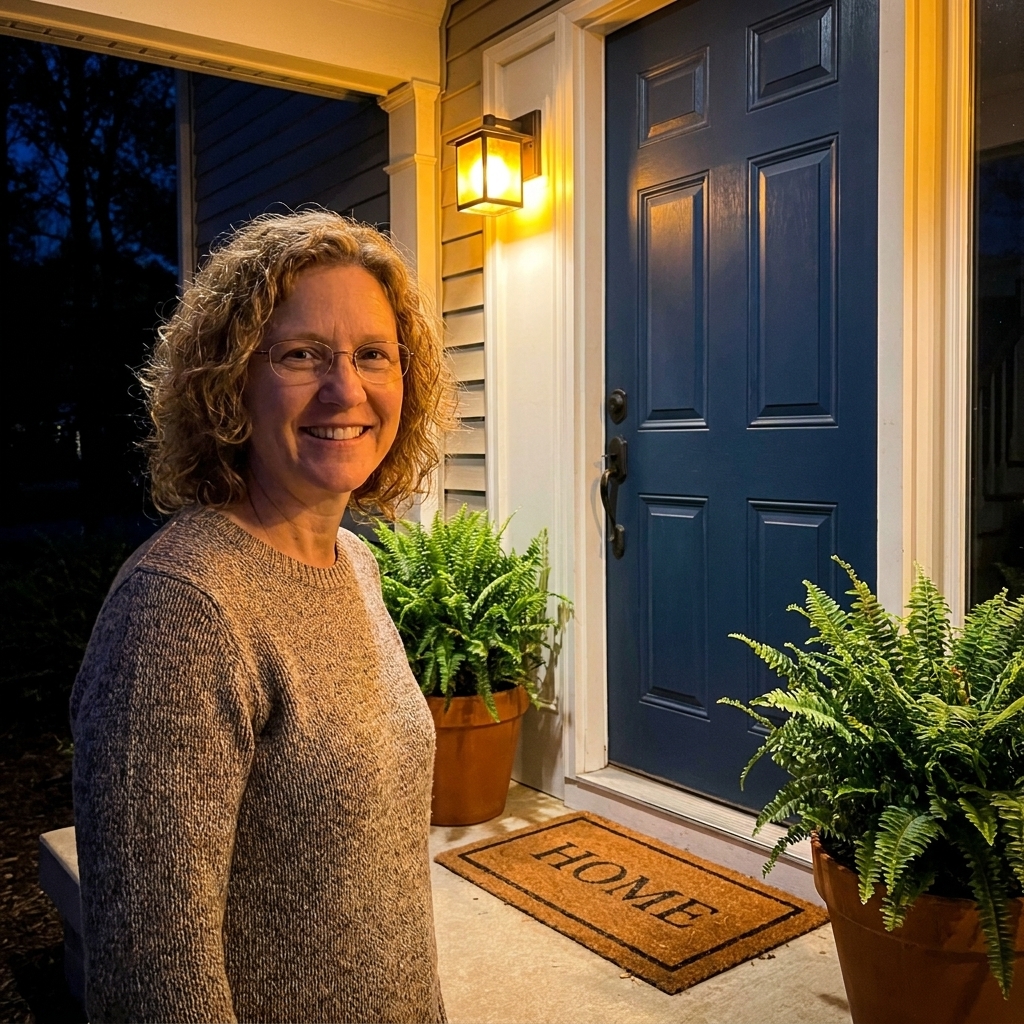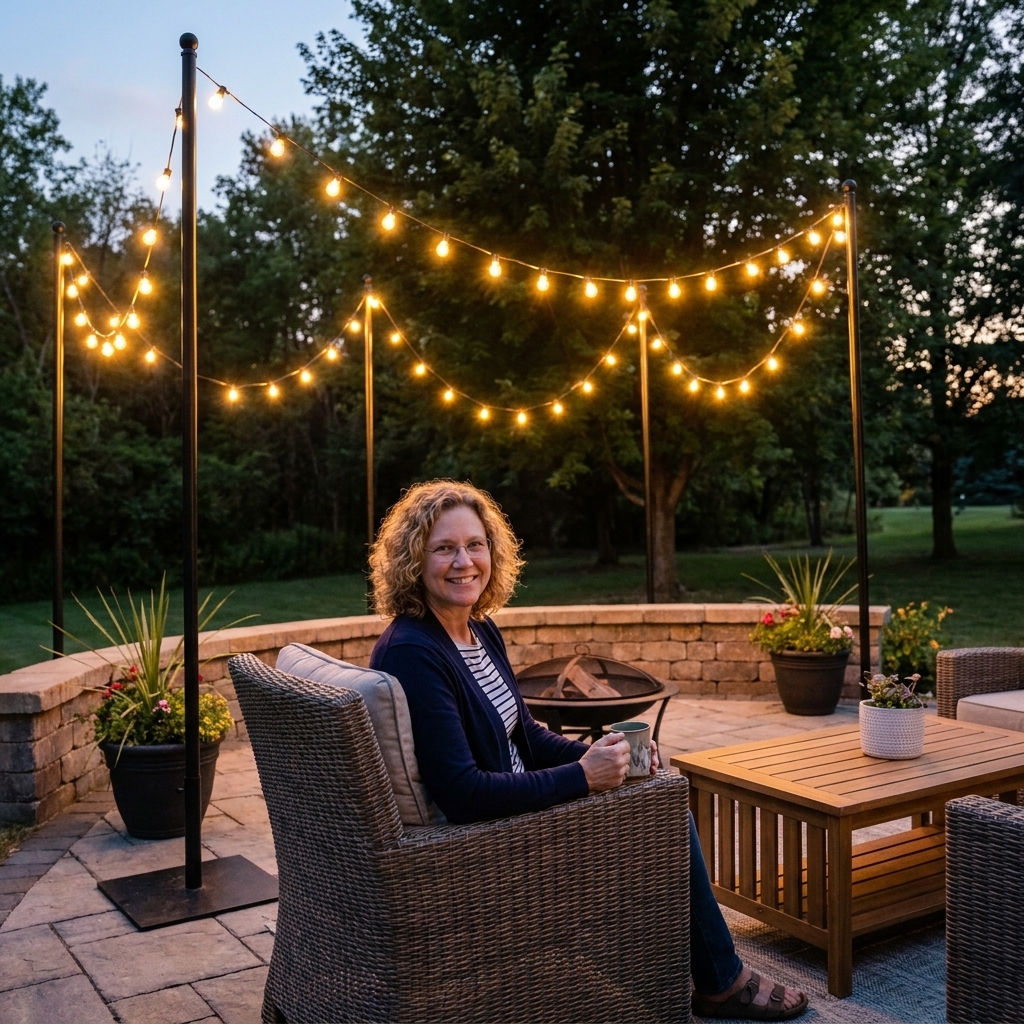
My porch rule is simple: if the lighting feels cozy, people linger. Unfortunately, mosquitoes love a “lingering” situation too. The good news is you can absolutely make your patio glow without turning it into a bug beacon. It comes down to color temperature, a little bulb know-how, and a few fixture choices that keep the light where you need it.
This is not about making your porch dim or orange like a traffic cone. The right amber or yellow LED can still look warm and welcoming, just with a spectrum that is typically less attractive to many flying insects.

Why some patio lights attract mosquitoes
Most of us grew up with bright white porch bulbs that looked “clean” and felt practical. The catch is that many nocturnal insects are strongly drawn to shorter wavelengths of light, especially in the blue and ultraviolet range. LEDs labeled cool white (often around 4000K) and daylight (often 5000K and up) usually have more blue-leaning output than warmer bulbs do.
Also worth saying out loud: mosquitoes are not only responding to light. They find us through carbon dioxide, body heat, and scent, and different mosquito species can behave a little differently. But lighting can still tip the scales by drawing more general flying insects into your hangout zone, which never helps the vibe.
Color temperature 101
Bulbs are often labeled in Kelvin (K), which describes how warm or cool the light looks.
- 2200K to 2700K: very warm, cozy, golden light
- 3000K: warm white, still soft but a bit whiter
- 4000K and up: neutral to cool light, brighter and more blue-leaning
For a less bug-attracting patio, you generally want to stay on the warm end, and even better, choose bulbs marketed specifically as amber, yellow, bug light, or insect-reducing. These are often in the 1800K to 2200K range, and some use coatings or LED designs meant to reduce blue wavelengths.
Tip: If you love that golden “candlelight” look anyway, amber bug-light bulbs often feel like an upgrade, not a compromise.
Less bug-attracting lighting ideas
1) Swap your main porch bulb for amber or yellow LED
If you do only one thing, do this. Your main porch light is usually the brightest source and the one that broadcasts farthest into the yard.
- Look for labels like “amber LED,” “bug light,” “yellow LED,” or “1800K to 2200K.”
- Choose an LED labeled suitable for enclosed fixtures if your lantern traps heat.
- Keep brightness comfortable, not stadium-level. Around 450 to 800 lumens works for many porches. (Even amber light can draw insects if it is extremely bright.)
2) Use amber string lights for overhead glow
String lights are my favorite “instant charm” move, and they can be bug-smart too. Amber string lights create a warm canopy of light without blasting the patio in cool white.
- Pick shatter-resistant outdoor-rated strands.
- Look for “warm amber,” “2200K,” or “amber Edison LED.”
- Hang them high and aim for a gentle glow. Bright lights at eye level feel harsh and can pull bugs closer to faces.

3) Add low path lights instead of bright flood lighting
Flood lights are great for security, but for everyday porch living they can create a big bright “landing strip.” If you want guests to see steps and edges, low pathway lighting does the job with less glare.
- Choose 2700K or warmer, or amber path lights if you can find them.
- Use shielded fixtures that direct light down toward the ground.
- Space them for guidance, not spotlighting.
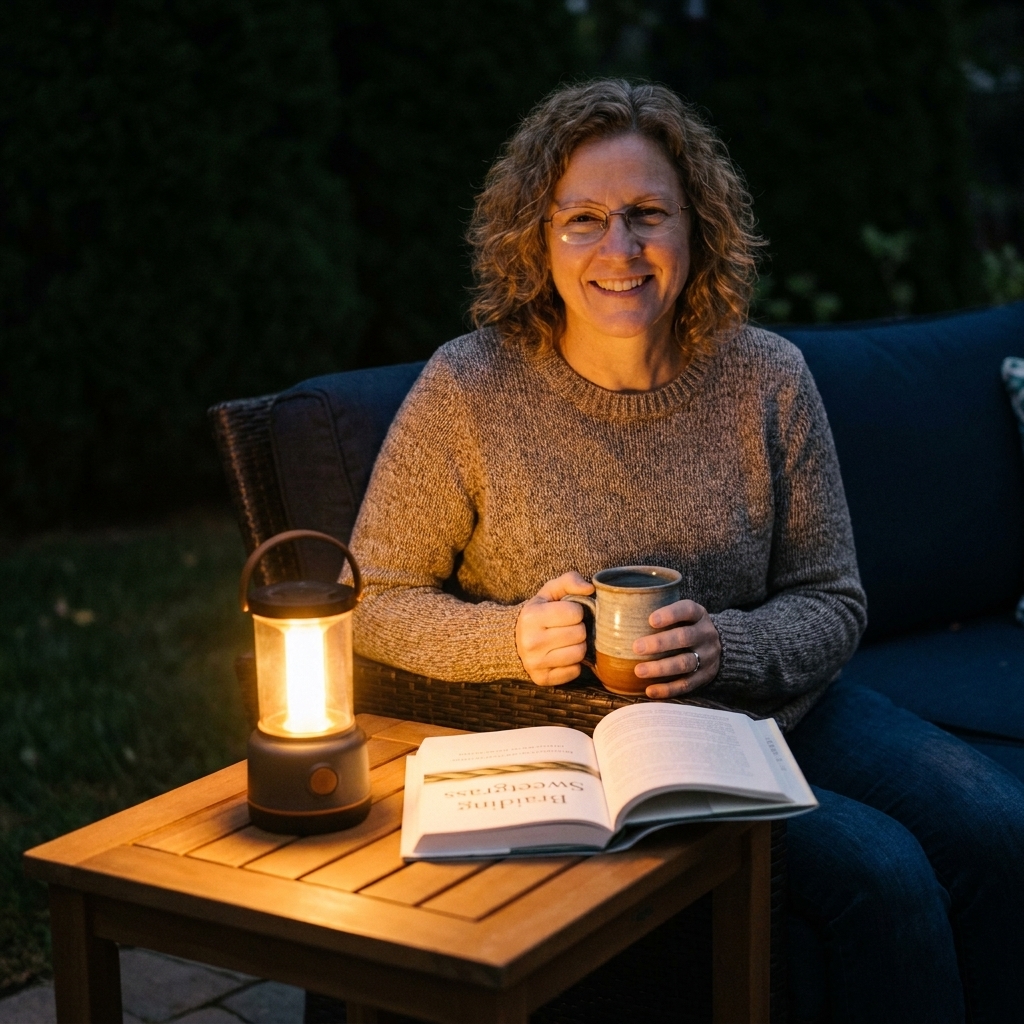
4) Try lantern-style table lights with warm LEDs
Portable lanterns are a styling dream and a lighting control dream. You can place them away from where you are sitting, or use several dim lanterns instead of one bright overhead light.
- Look for flicker-style or candle-style LEDs in warm amber tones.
- Rechargeable lanterns are especially handy for patios with limited outlets.
- Cluster two or three lanterns at different heights for a layered glow.
5) Use motion sensors for the brightest lights
If you like a brighter porch light for coming and going, put that brightness on a motion sensor so it is not shining all evening. That way you get safety without running a bright beacon for hours.
- Set the timer to a short duration, like 1 to 5 minutes.
- Keep your “hangout lighting” separate, using warm string lights and lanterns.
6) Choose fixtures that hide the bulb and aim light down
One of the most overlooked bug-reducing tricks is simply controlling glare. When the bulb is exposed, it throws light in every direction. When it is shaded and directed down, your patio feels calmer and you are not advertising to every flying insect in the neighborhood.
- Look for downlights, wall sconces with shades, and dark-sky friendly outdoor fixtures.
- Avoid bare bulbs at eye level near seating.
7) Avoid UV and blue-heavy decorative lighting
Blacklights and other UV or blue-heavy decorative lights can attract a lot of insects fast. If your patio has a “bug cloud” problem, check for any novelty UV lighting, or ultra-cool decorative bulbs, and swap them for warm or amber options.
What to look for when buying bug lights
“Bug light” can mean a few different things on packaging, so I like to shop by features instead of buzzwords.
- Warm or amber tone: ideally 2200K or lower if you want maximum warmth.
- Reduced blue output: many amber LEDs are designed specifically to cut the wavelengths insects respond to most.
- Outdoor rating: damp-rated for covered porches, wet-rated for fully exposed fixtures.
- Right base and shape: A19 is common for porch lights, E12 for some lanterns and chandeliers, and G40 is common for globe string lights.
Shopping cheat sheet
- Kelvin: aim for 1800K to 2200K (or at least 2700K)
- Brightness: keep the main porch light around 450 to 800 lumens, dimmable if possible
- Fixtures: choose shielded or downward-facing designs
- Strategy: layer smaller lights instead of running one bright bulb all night
A simple lighting plan
If you want a no-fuss setup, here is the combo I reach for again and again:
- One amber bulb in the main porch fixture (dimmer if possible).
- Amber string lights overhead for atmosphere.
- Two warm lanterns on side tables or along the edge of the patio.
- Optional path lights (warm white or amber) to mark steps and walkways.
This gives you layered light, keeps things flattering, and avoids that harsh blue-white glow that tends to pull bugs in.
Helpful habits that boost results
Lighting is a big piece, but mosquitoes are persistent little party crashers. These small tweaks help your less bug-attracting lighting actually feel effective.
- Turn off what you do not need: fewer bright sources means fewer bugs circling the seating area.
- Place light slightly away from people: if you are using a brighter lantern, set it a few feet away from chairs so the bugs gather at the light, not your ankles.
- Add a fan: airflow can significantly reduce mosquito landings and bites.
- Reduce standing water: saucers, clogged gutters, and low spots in the yard can become breeding zones fast.
- Be neighbor-smart: downward light looks better and reduces glare spilling into nearby yards and windows.
FAQ
Do amber bulbs actually keep mosquitoes away?
They can reduce attraction compared to cool white or daylight bulbs because they emit less blue-toned light that many insects respond to. They will not create a force field, but they can make your patio lighting less inviting to bugs.
Is warm white (2700K) enough, or do I need true amber?
2700K is a great start and looks classic on porches. If mosquitoes are a major issue where you live, stepping down to 2200K or a true amber “bug light” often helps more.
Will citronella torches or bug zappers work better than lighting changes?
Citronella can help a little in close range, especially with low wind. Bug zappers tend to kill lots of non-target insects and are often not great at targeting mosquitoes. I prefer starting with lighting choices and airflow, then layering in repellents if needed.
Can I use smart bulbs for this?
Yes. Some smart bulbs let you select a very warm temperature like 2200K, schedule when brighter lights turn off, or dim for evenings. Just confirm the bulb is outdoor suitable for your fixture and climate.
The coziest patios get used
If your porch feels like a mosquito meeting spot, you will stop going out there, no matter how cute the pillows are. Switching to amber or yellow LEDs is one of those rare upgrades that is budget-friendly, quick, and immediately noticeable.
Once you get the light right, add your favorite throw blanket, turn on a fan, and pour something cold. Your patio can be the place everyone wants to sit, not the place everyone runs from.