I grew up treating the porch like the real living room, which means one thing: if the lighting is off, the whole space feels off. The good news is you can create a truly glowy, welcoming patio using only solar fixtures. No outlets. No extension cords. No electrician. Just smart shopping, thoughtful placement, and a little seasonal upkeep.
How solar patio lights perform
Solar lights have come a long way, but they still follow a few rules of nature. The panel collects energy during the day, stores it in a battery, and the light turns on at dusk using a built-in sensor. If you know what affects charging, you can make even budget-friendly lights look intentional and reliable.
- Sun hours matter more than "sunny weather". Most solar fixtures do best with several hours of direct sun on the panel. In real life, many need something like 4 to 8 hours of decent direct light to hit their best brightness and run time, but it varies a lot by panel size, battery capacity, and settings.
- Battery size and LED efficiency control runtime. Bigger batteries and efficient LEDs mean longer glow, especially in winter.
- Shade is the enemy. A panel under an eave or tree canopy may still work, but expect shorter run times.
- Warm light looks cozier. For lounging spaces, I almost always pick warm white (roughly 2200K to 3000K) over cool white.
Pick the right solar fixtures
Think of patio lighting in layers, just like inside your home. You want a little overhead sparkle, a little pathway safety, and a few low, glowy accents that make the whole space feel finished.
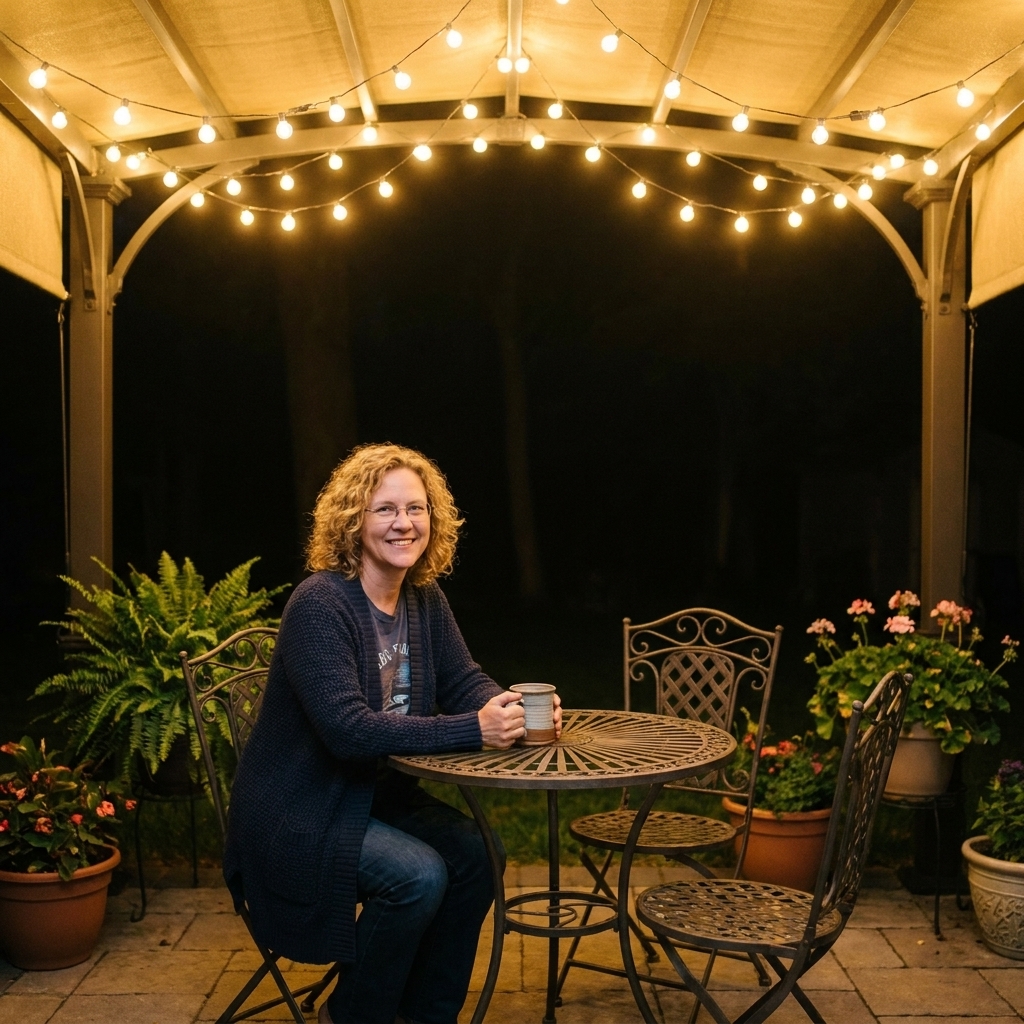
1) Overhead glow: solar string lights
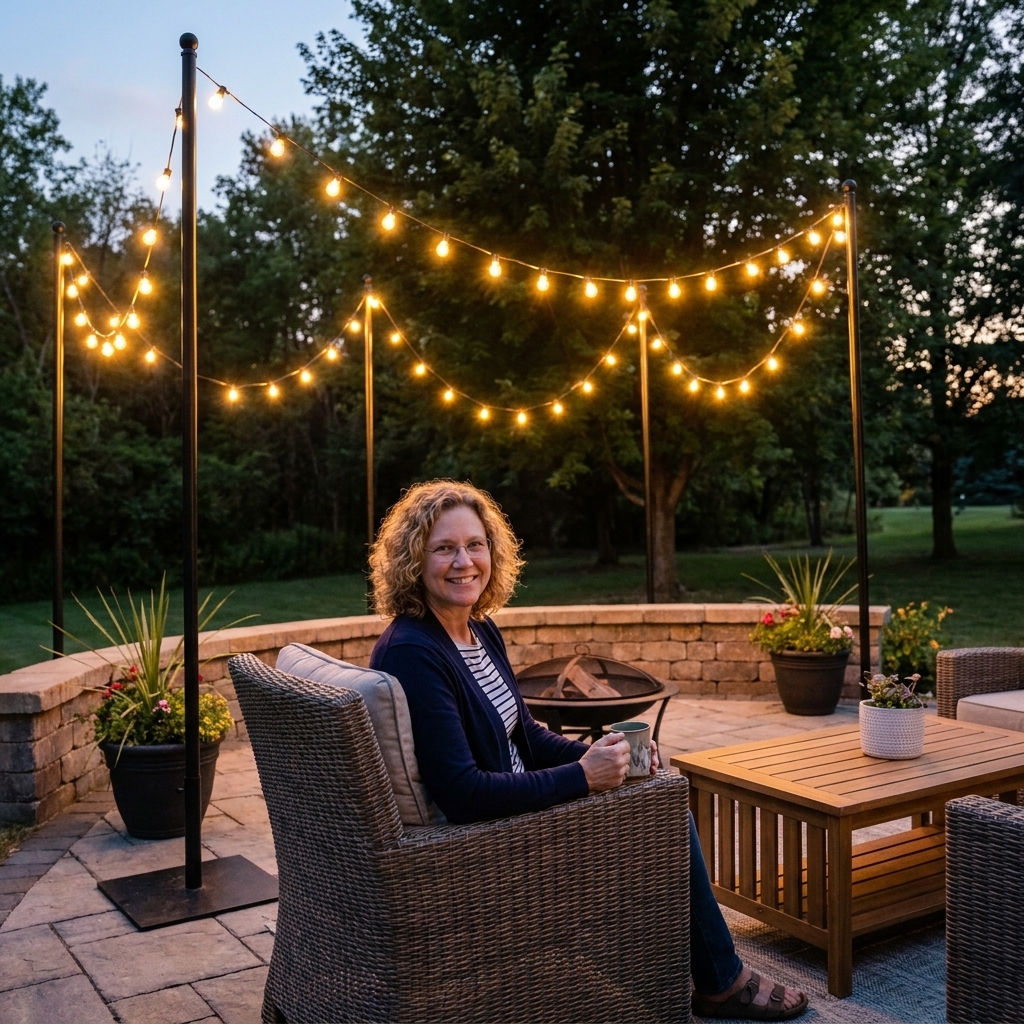
If you buy one solar lighting type, make it strings. They create instant ambiance and make an open-air patio feel like a room.
- Look for: shatter-resistant bulbs, a weather rating suitable for outdoor exposure, and a solar panel that can be positioned separately from the strand.
- Choose the vibe: warm globe bulbs feel like a cafe patio; tiny fairy lights feel whimsical; lantern-style bulbs feel rustic.
- Placement tip: hang them high enough that no one ducks, then let the drape do the decorating.

2) Safety and guidance: solar path lights
Path lights are for the places your feet go. They also visually outline your patio, which makes the space feel more intentional at night.
- Look for: sturdy stakes, sealed housings, and a shape that sheds water instead of collecting it.
- Best uses: walkways, steps, edges of a patio, leading to a gate or shed.
- Brightness tip: many solar path lights are meant to be decorative. If your goal is true visibility for steps and uneven pavers, check lumens and reviews, not just the “pack of 8” promise on the box.

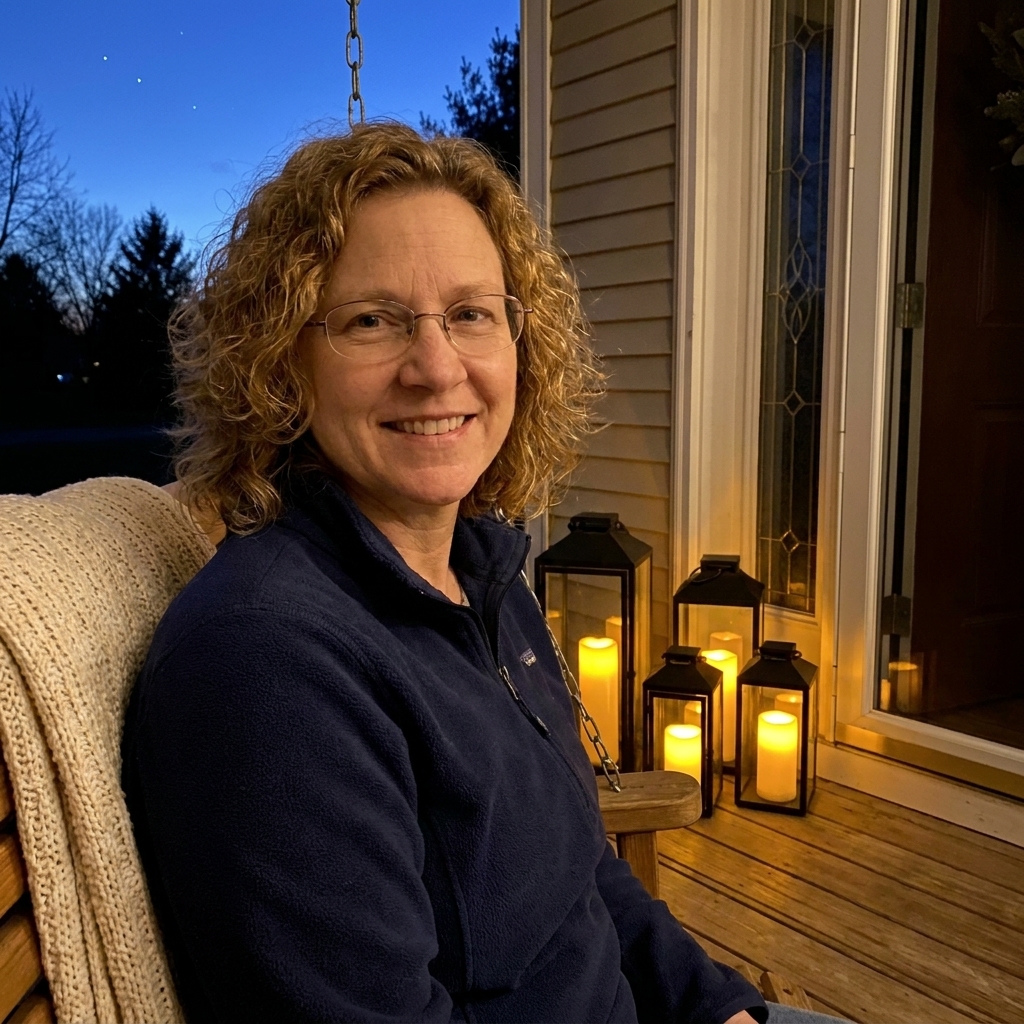
3) Soft ambiance: solar lanterns and table lights
These are the lights that make guests linger. I love them because you can move them around depending on the season or seating layout.
- Look for: a stable base, warm light temperature, and a switch or mode button that is easy to reach.
- Best uses: dining tables, side tables, outdoor shelves, porch steps.

4) Accent lighting: solar spotlights and uplights
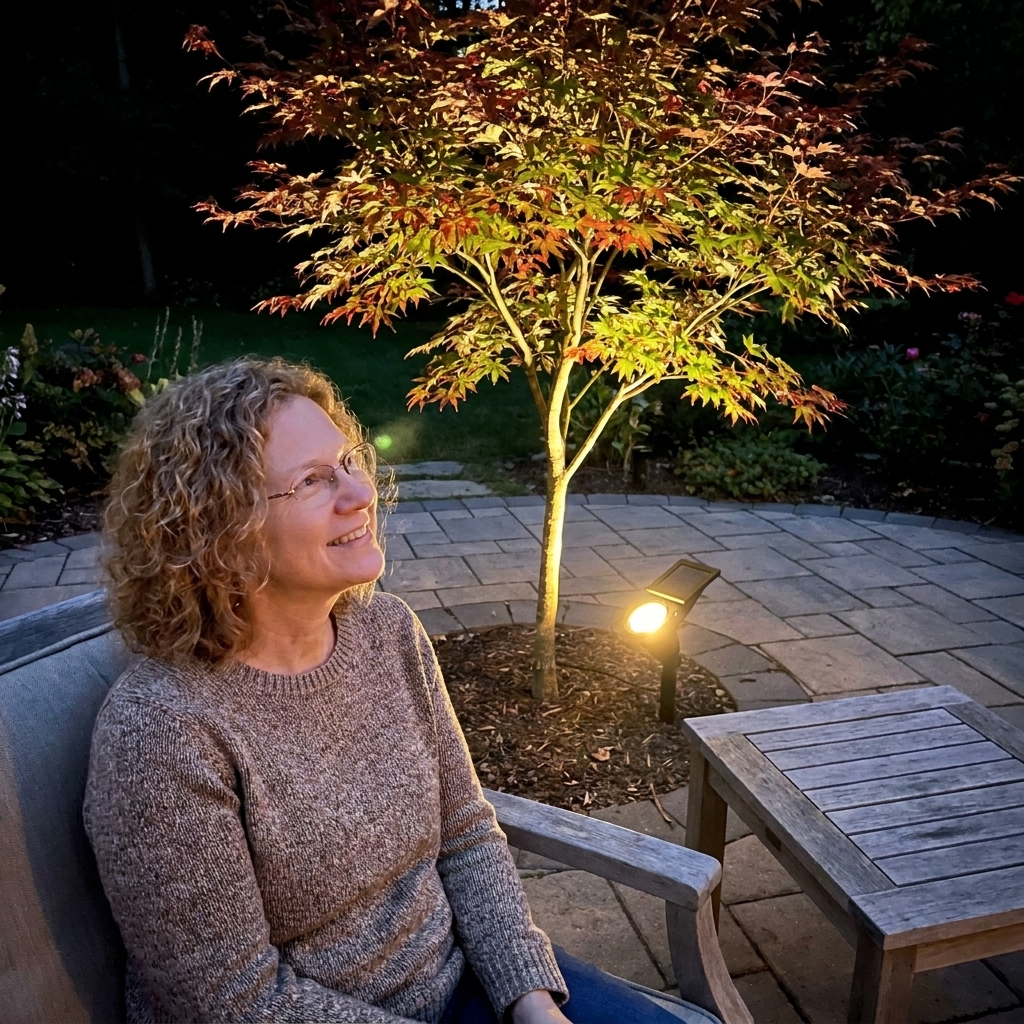
Use these to highlight one or two features, not everything. A single uplight on a small tree or tall planter can make your whole patio feel designed.
- Look for: adjustable heads, ground stakes plus wall-mount options, and a panel that can be aimed at full sun.
- Best uses: feature planters, a privacy screen with climbing vines, a flagstone wall, a favorite tree.
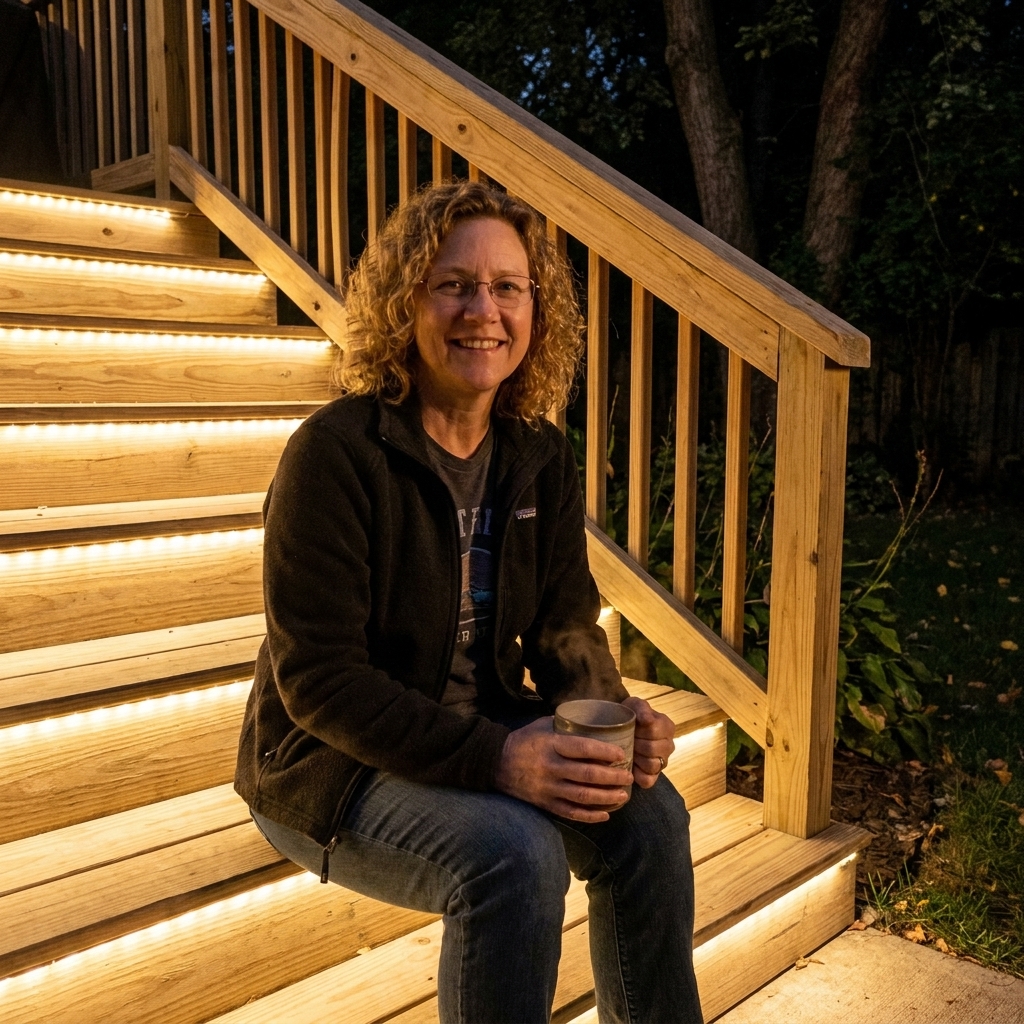
5) The finishing touch: solar step and rail lights
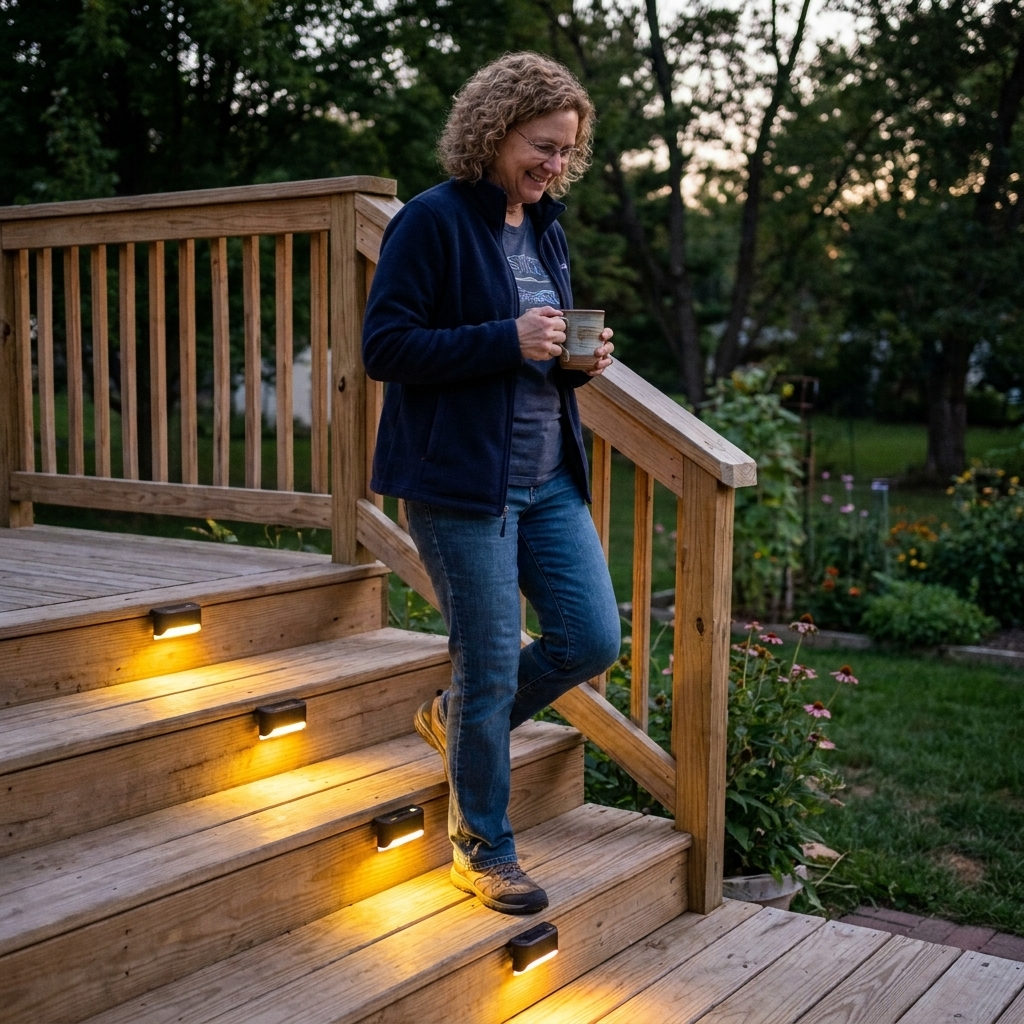
If you have stairs, these are worth it. They make the space safer while looking subtle and polished.
- Look for: wide beam spread, strong mounting hardware, and designs that do not glare into your eyes when you walk up.
- Best uses: deck stairs, porch steps, railings.
What to look for when buying
Solar packaging can be vague, so I shop by features and build quality. Here are the specs and details that matter most in real backyards.
- Replaceable batteries: Huge plus. Many fixtures use common rechargeable sizes. If the battery is replaceable, the light can last for years instead of one season.
- Battery type: Lithium-ion often offers higher capacity and steadier brightness for the size, while NiMH is also common and can be very reliable. Extreme heat and cold can reduce performance for all rechargeables, and very cold weather can be especially hard on charging.
- Panel placement: A separate or adjustable panel is a game changer on shaded patios.
- Lighting modes: Avoid too many gimmicky flashing settings unless that is your thing. A steady warm glow is what most patios need.
- Weather build: Look for tight seams, sealed switches, and a design that will not hold water on top of the panel.
- Water resistance ratings: If you see IP ratings, higher generally means more protection. IP44 is usually fine for sheltered areas, while IP65 and up tends to be a better bet for fully exposed rain and hose-down zones.
- Color temperature: For lounging, go warm. Cooler light can feel harsh outdoors and makes cushions and plants look less inviting.
- Lumens (when you need real light): If you are lighting steps, a gate, or any tripping hazard, look for lumen output. Decorative path lights can be pretty but dim, and that is not the same thing as safe.
My porch rule: it is better to buy fewer, sturdier lights than a giant box of flimsy ones that start flickering by mid-summer.
Plan lighting like a room
This is the step that makes solar lighting look expensive. Before you stake anything into the ground, stand on your patio at night and imagine how you want it to feel: intimate corner, lively dinner zone, or quiet reading nook.
Start with zones
- Conversation zone: seating area, sofa, chairs, fire pit.
- Dining zone: table, grill area, serving cart.
- Travel zone: steps, gates, paths, doorways.
- Greenery zone: planters, raised beds, small trees.
Then build in layers
- Overhead layer: string lights or hanging lanterns for a ceiling effect.
- Mid-level layer: wall-mounted or railing lights for gentle fill.
- Low layer: path lights, step lights, and small stakes to define edges.
- Accent layer: one or two spotlights for plants or texture.
A simple spacing cheat sheet
- Path lights: often look best spaced about 6 to 10 feet apart, depending on brightness and beam spread.
- Step lights: one per step or every other step if the stairs are wide and the lights are bright.
- Spotlights: aim for a soft wash, not a beam that reads harsh from across the yard. Start low and adjust.
- String lights: hang high and use fewer attachment points to create a gentle drape.
Placement tips for brighter lights
Most disappointing solar setups are not bad lights. They are poorly charged lights. A few placement tweaks can make a dramatic difference.
Give the solar panel real sun
- Place panels where they get direct light, ideally away from deep porch shade.
- Avoid aiming panels under furniture, behind railings, or into dense shrubs.
- If you have a covered porch, choose fixtures with remote panels you can mount in a sunny spot.
Keep panels clean and angled
- Angle panels toward open sky, not toward walls.
- Wipe dust and pollen off every couple of weeks in peak season. It matters more than you think.
Watch for hidden shade
That pretty little tree can block a panel for half the day. Check your patio at morning, mid-day, and late afternoon. If the panel is shaded during prime sun hours, move it or rotate it.
Three solar-only layouts I love
If you are not sure where to begin, copy one of these layouts and adjust based on your space.
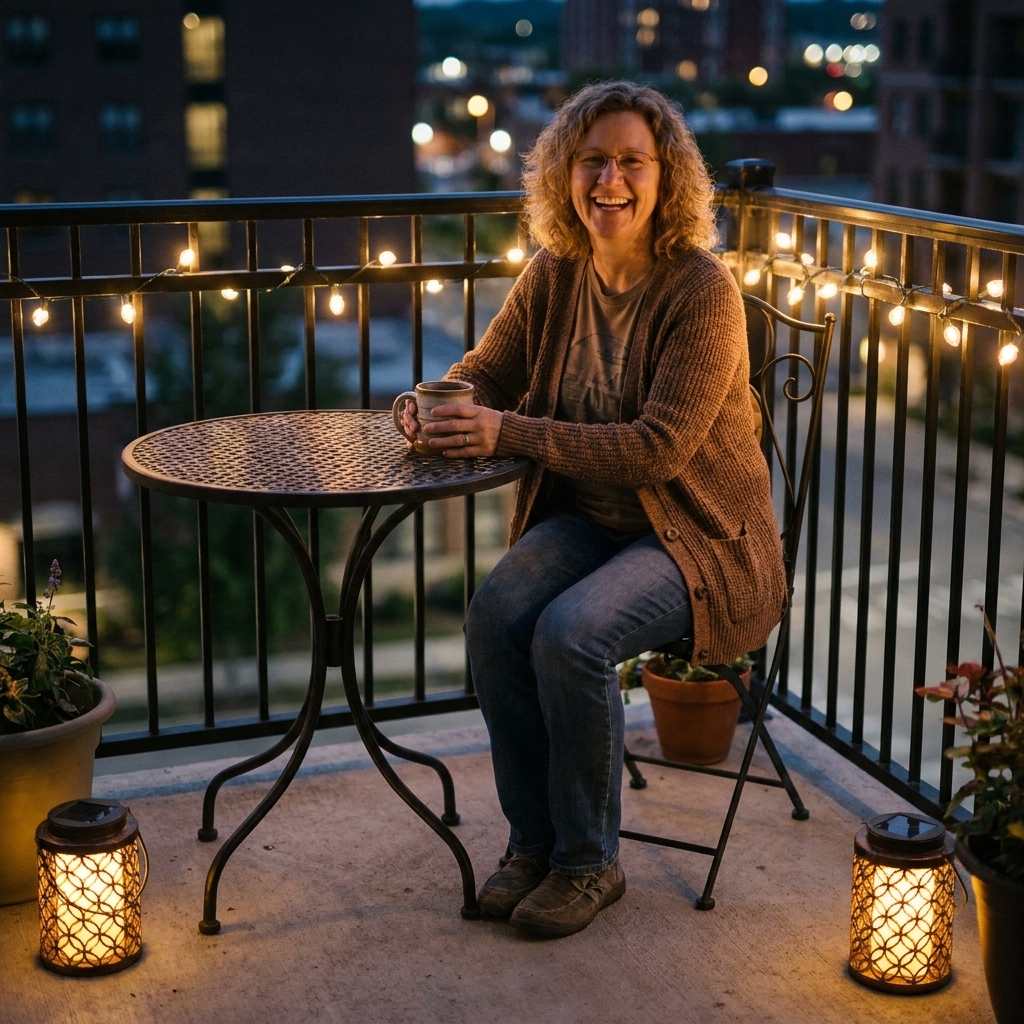
Layout A: Small patio or apartment balcony
- 1 strand of solar string lights along the railing or overhead
- 2 solar lanterns on the table or floor corners
- 2 to 4 small solar stakes in planters for a soft glow
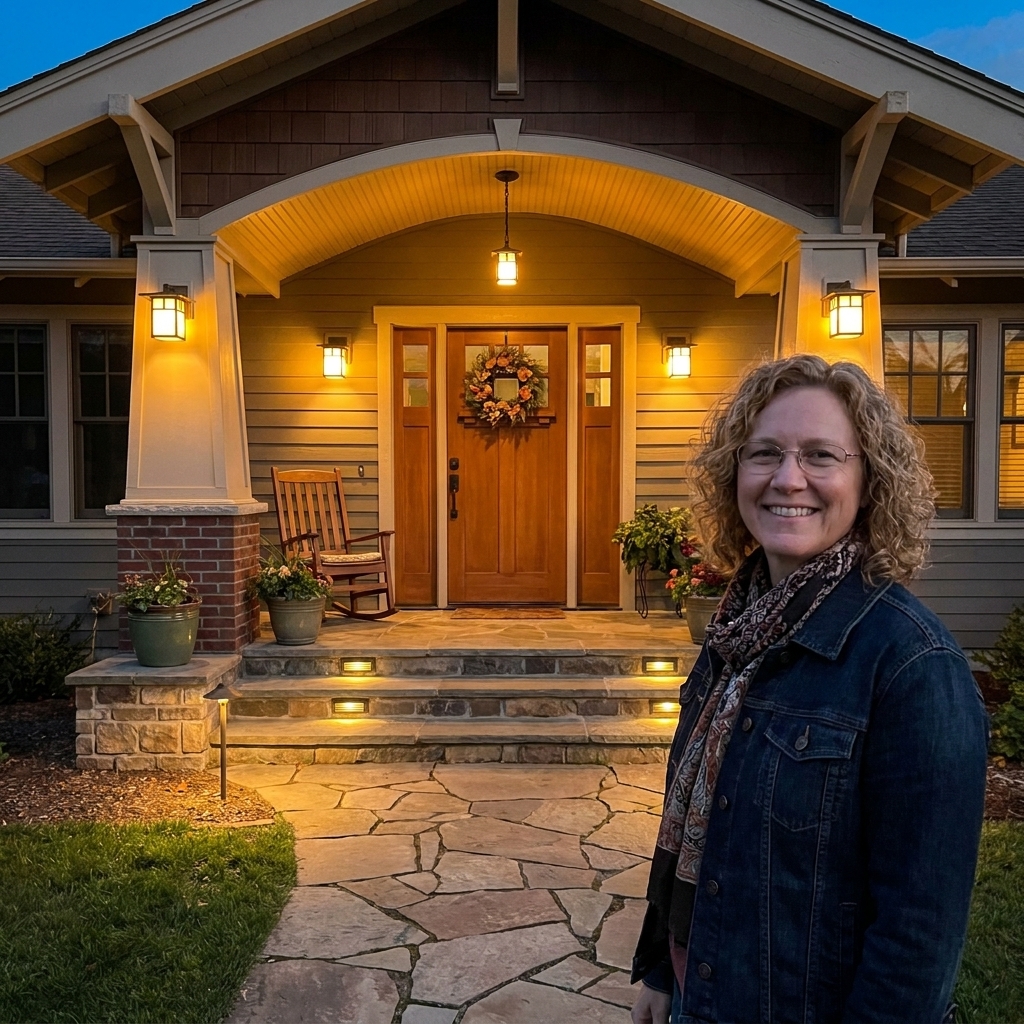
Layout B: Classic front porch
- Solar string lights tucked along the ceiling edge or wrapped around columns
- Solar step lights on porch stairs
- Two solar lanterns flanking the door or sitting beside rocking chairs

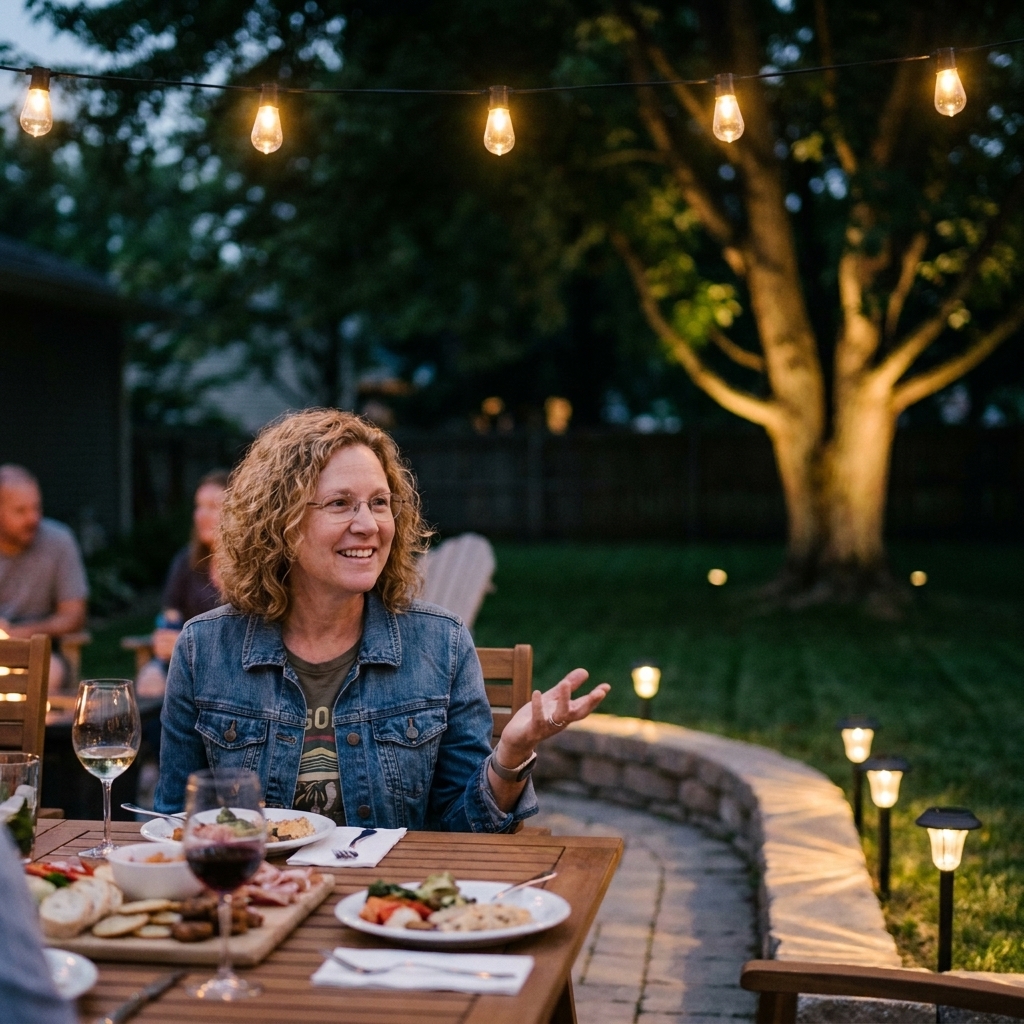
Layout C: Backyard lounge for entertaining
- Solar string lights overhead in a zig-zag pattern
- Solar path lights leading from back door to seating area
- 1 to 2 solar spotlights on a tree or tall planter
- 1 solar table lamp or lantern on the coffee table
Maintenance that keeps them glowing
Solar lights are wonderfully low-fuss, but a tiny bit of upkeep prevents the most common issues: dimness, early shutoff, and flickering.
Weekly quick check (two minutes)
- Wipe the solar panels with a dry microfiber cloth or a damp cloth if pollen is heavy.
- Make sure panels are not shaded by fast-growing plants.
- Check that stakes are upright so beams point where you want them.
Monthly tune-up
- Gently clean lenses or covers so light output is not blocked.
- Inspect for water sitting on top of panels and reposition if needed.
- Test the on/off switch and modes so you know nothing got bumped.
Seasonal battery care
- If your lights use replaceable rechargeable batteries, expect to replace them often every 1 to 3 years, depending on quality, settings, and climate.
- For winter storage, clean lights, give them a full day of charging, then store them dry. This helps batteries age more gracefully.
Troubleshooting dim or dead lights
- They worked yesterday, not today: likely a cloudy day plus shorter daylight. Move panels to more direct sun, clean the panel, or adjust expectations for winter run time.
- They turn on in the afternoon: the sensor thinks it is dark, often because the panel or sensor is shaded. Move the light away from cover, rotate it away from a shadowy wall, or relocate the panel to open sun.
- They flicker: often dirty panels, weak batteries, or water intrusion. Clean first, then consider a battery swap.
- They never get bright: the panel is shaded too much, the battery is worn, or the light is designed to be decorative rather than functional. Move the panel to a sunnier spot as a quick test before you replace the whole fixture.
- They turn off early: not enough charge. Check for shade, clean panels, and shorten run time by choosing a lower brightness mode if available.
- They do not behave at night: nearby ambient light can confuse some sensors. Streetlights, bright windows, and even another fixture shining right at the sensor can cause odd on and off behavior.
Solar lighting dos and don'ts
Do
- Stick to one light color temperature across the main patio area for a cohesive glow.
- Use lighting to guide guests: door, steps, paths, then seating.
- Mix heights: overhead strings, mid-level lanterns, low path lights.
- Hide the hardware when you can, like tucking stakes behind planters or aiming spotlights so you see the wash, not the fixture.
Don't
- Over-light every inch. Darkness in the corners is what makes the lit areas feel cozy.
- Cluster too many path lights close together. It can start to look like a runway.
- Mount solar panels where they look cute but never charge.
My go-to solar setup
If you want a simple starting point that works for nearly any porch or patio, here is my favorite wire-free combo:
- One set of warm solar string lights as your ceiling layer
- Two solar lanterns for movable, cozy glow at seating height
- Four to eight solar path or stake lights to outline the patio edge or guide a walkway
- One solar spotlight aimed at a tall plant or small tree for that designed feeling
From there, you can add step lights if you have stairs, or a solar table lamp if you love to read outside like I do.
FAQ
Do solar lights work in shade?
They can, but performance drops fast. If your patio is shaded, look for lights with adjustable or remote panels so you can place the panel in full sun.
How long do solar patio lights last at night?
It depends on charge, battery size, brightness mode, and temperature. In summer with full sun, many run several hours into the evening. In winter or after cloudy days, run time is often shorter.
Are solar string lights bright enough for dining?
They are usually perfect for ambiance and casual dining, but not always for detailed tasks. If you want more usable light at the table, add a solar lantern or solar table lamp on the tabletop.
Should I leave solar lights out year-round?
If they are built well, you can. In harsh winters or very wet seasons, I prefer to store decorative pieces and leave only sturdy path and step lights outside. Dry storage extends battery life.