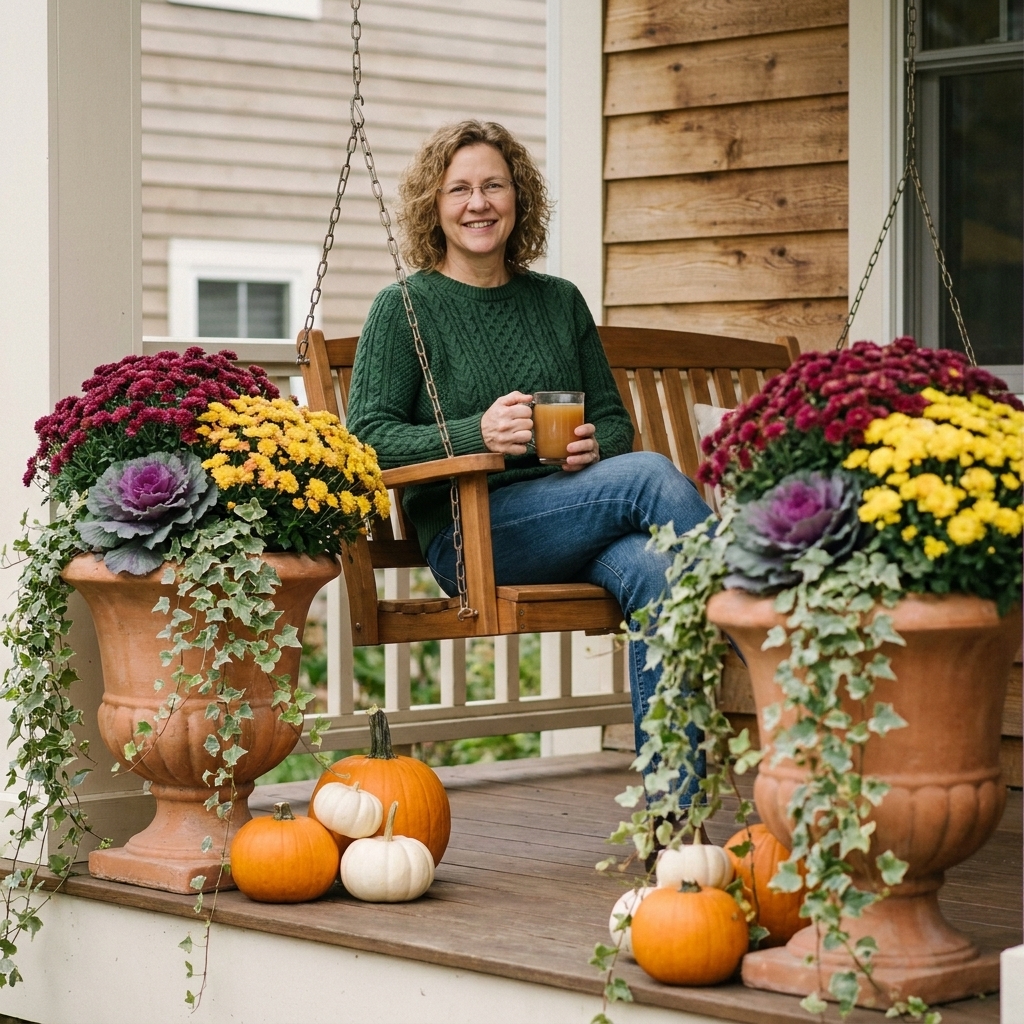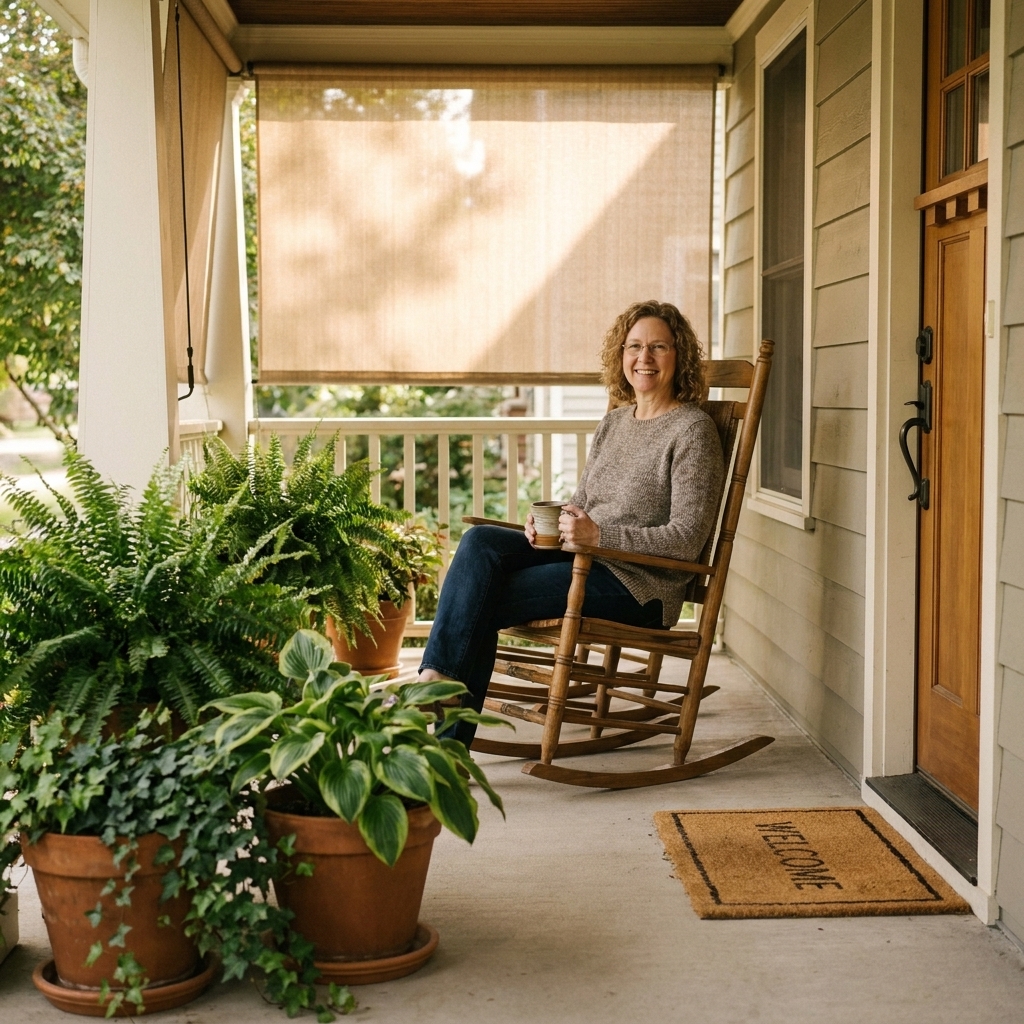
If your front porch is sunny, windy, or you are simply tired of babysitting thirsty pots, UV-resistant faux plants can be a little slice of sanity. The trick is not buying the most expensive artificial greenery. It is styling it like you would style the real thing: good proportions, believable “soil,” a pot that feels anchored, and a slightly imperfect, lived-in shape.
I have used faux greenery on porches for years, especially in pots that are hard to reach with a watering can. When it is done well, guests do not clock it as fake. They just notice your porch looks fresh and welcoming.
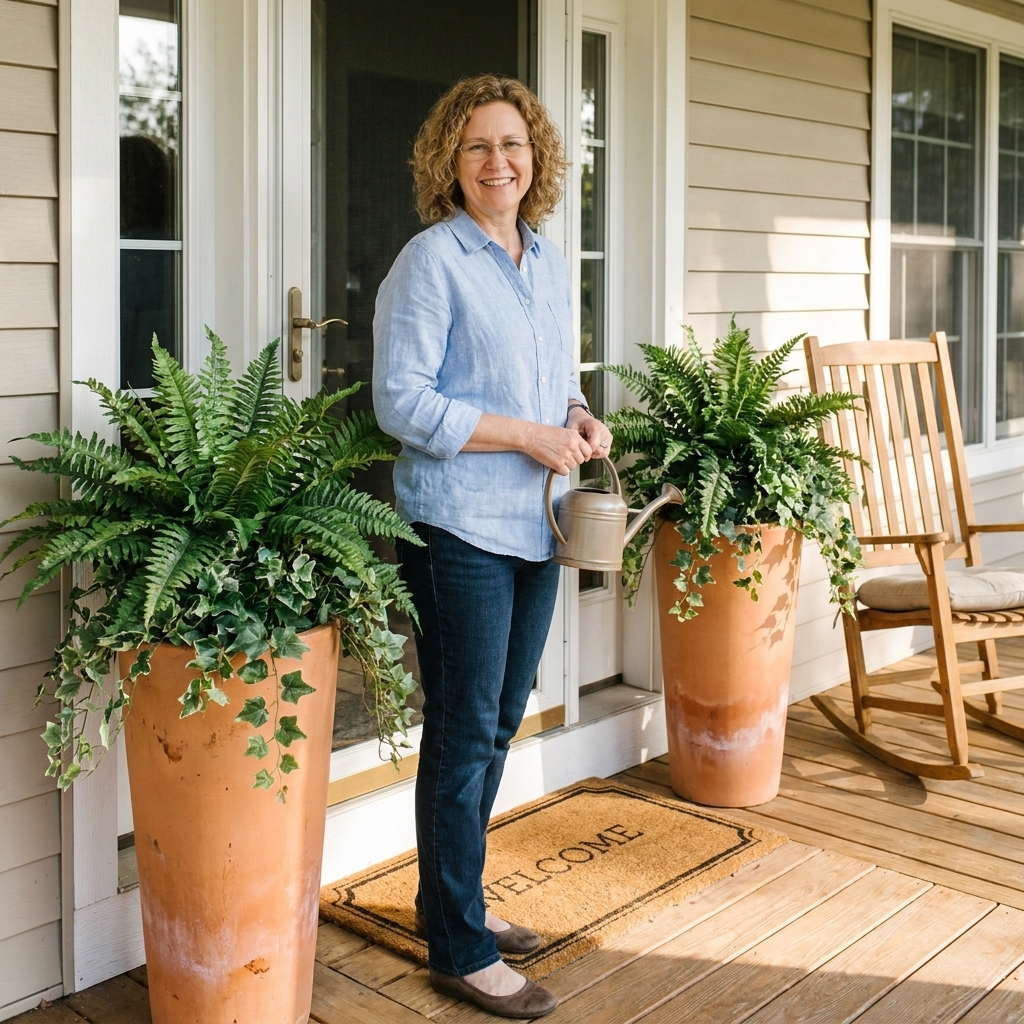
Start with the right faux plant
“Outdoor” and “UV-resistant” are not the same as “looks real.” You want all three: made for outdoors, some level of UV protection, and details that mimic a living plant. (One quick note: “UV resistant” can mean anything from a light UV treatment to more UV-stabilized materials, so longevity varies a lot by brand.)
What to look for
- UV-resistant or UV-protected labeling: It should be clearly stated on the tag or product description. Indoor-only stems tend to fade much faster on a sunny porch.
- Matte leaves: Super shiny plastic is the fastest giveaway. A soft, natural finish reads more believable from the sidewalk.
- Varied leaf size and color: Real plants have younger, smaller leaves and subtle color shifts. If everything is identical, it looks flat.
- Wired stems: You need stems you can bend and “fluff” into a natural shape.
- Realistic stems at the base: The bottom 6 inches matter most because that is what people see when they are walking up your steps.
Most realistic picks
- Boxwood and small-leaf shrubs for classic porch urns
- Olive, eucalyptus, and bay for a slightly airy, modern look
- Ferns for covered porches that lean shaded and humid
- Grasses for tall planters and windy areas since they are supposed to move and look a bit wild
- Ivy and trailing greenery to soften edges in window boxes or hanging baskets
One more realism note: if your porch gets intense sun, pick greenery that would also thrive in sun in real life. A shade fern baking in full afternoon sun looks suspicious even if it is faux.
High-impact trick: mix two slightly different faux stems or brands in one pot. Real plantings are never perfectly uniform, and this breaks up that “same leaf, repeated” look.
Choose containers that sell it
The pot does a lot of the heavy lifting. A great planter can make budget stems look elevated, while a flimsy pot can make even nice faux plants look like seasonal decor.
Container rules
- Go slightly bigger than you think: Undersized faux plants look like props. A fuller silhouette looks more natural.
- Choose heavier, wider bases for windy areas: Squat urns, concrete-look planters, and thick resin containers hold their own.
- Match your home’s lines: Traditional homes love symmetrical urns. Modern homes look great with tall, clean-lined rectangles.
- Keep colors calm: Black, charcoal, warm white, and natural terracotta help the greenery look real.

Add weight so it stays put
If your planter tips in a breeze or scoots every time you nudge it with your toe, it will never feel like a real planted container. Weighting also helps faux stems sit upright instead of wobbling.
Easy ways to add weight (pick one)
- Drainage rock or pea gravel: Add enough to give the pot real heft without raising the plant so high it looks perched. In most planters, that is roughly 2 to 6 inches, depending on the pot’s height.
- Pavers or bricks: Lay one or two flat in the base for instant stability.
- Sand in a sealed bag: Great for narrow planters, but keep it sealed so it stays tidy and does not wash out.
- A smaller nursery pot inside: Nest a smaller pot inside your decorative planter, then pack around it with gravel. This creates a stable “socket” to hold your faux plant upright.
Anchoring tall stems
For faux trees or tall topiary balls, I like to set the trunk into a smaller inner pot and then wedge it tight with gravel. If the trunk still shifts, add a little more gravel and tamp it down firmly. The goal is zero wobble.
If you have drainage holes, do not block them with a solid layer that traps water. Keep holes clear, and use pavers, bagged sand, or a smaller inner pot so water still has a path out.
Quick safety note: if you have small kids or pets who like to dig, avoid loose top layers they can access, or use an inner liner and a more secure top dressing (like sheet moss pinned in place).
Make the “soil” look real
That shiny foam block or visible plastic grid is the dead giveaway. Fortunately, this is one of the easiest fixes, and it makes an enormous difference.
Top-dress options
- Preserved sheet moss: Looks lush and hides mechanics quickly. Tuck it around stems and tear the edges for a natural look.
- Bark mulch: Best for larger planters and faux shrubs. It reads very “real yard.”
- Small river stones: Pretty and tidy, especially for modern planters. Choose mixed sizes, not perfectly uniform pebbles.
- Coco coir or coconut husk chips: Great neutral texture that looks like a potting mix topper.
How to build a base that stays put
- Secure the plant first (wobble check).
- Cover foam or grids with a layer of brown kraft paper or landscape fabric so the topper does not fall into gaps.
- Add your topper in uneven thickness, a little higher near the stem base and lower at the edge, like a real pot that has been watered and settled.
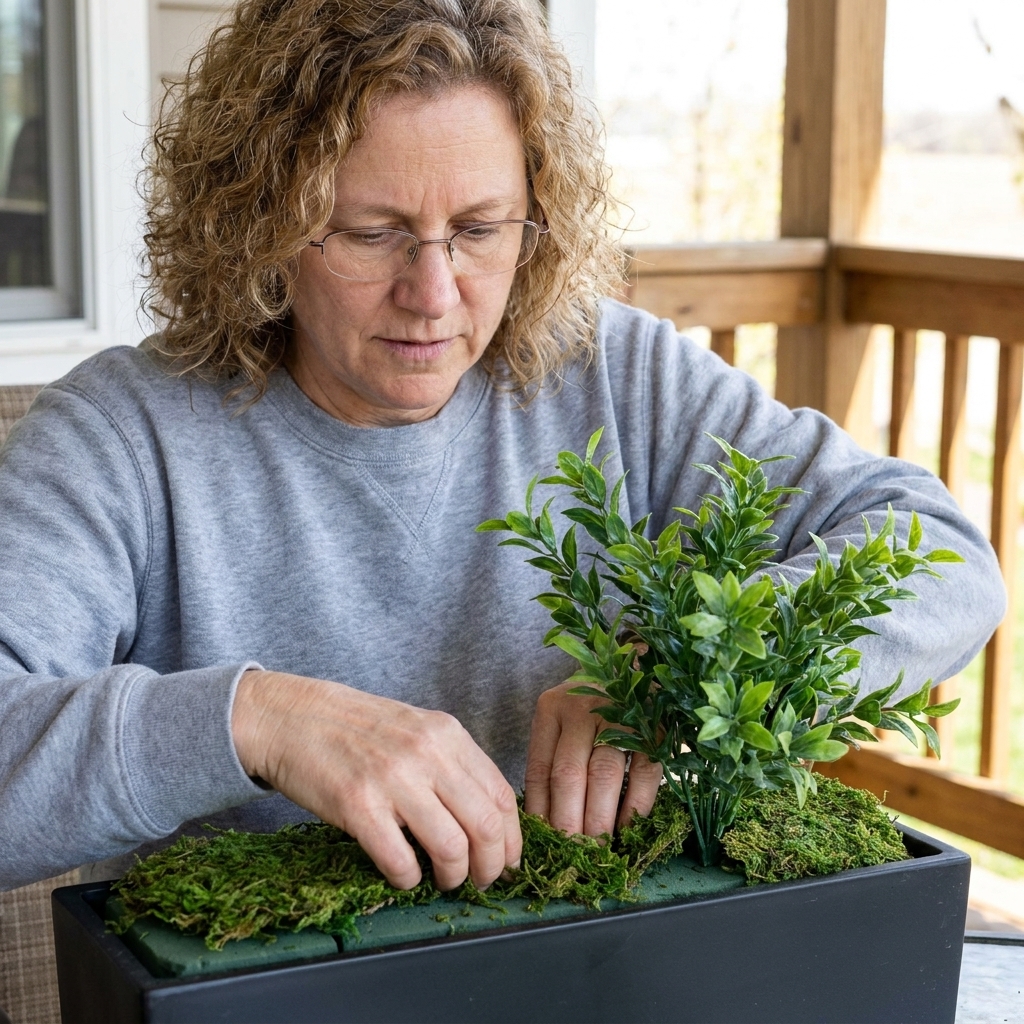
Fluff it into shape
Most faux plants look fake because they stay in their shipping shape. Real plants are messy in a charming way.
My 5-minute fluff routine
- Start at the base and work upward, bending stems outward so the plant widens naturally.
- Vary the heights: Pull a few stems slightly taller, tuck a few lower. Symmetry looks manufactured.
- Create negative space: Real greenery has little windows where you can see through it.
- Angle some leaves forward and some sideways. Everything facing straight up looks stiff.
- Do the curb check: Step back 10 to 15 feet, to where guests approach, and look at the overall silhouette.
If you only do one thing, do this: bend stems so they look like they grew toward light. That single detail reads incredibly natural.
Porch styling formulas
If decision fatigue is real for you, these are my reliable, plug-and-play setups for front porches. Pick the one that fits your space and run with it.
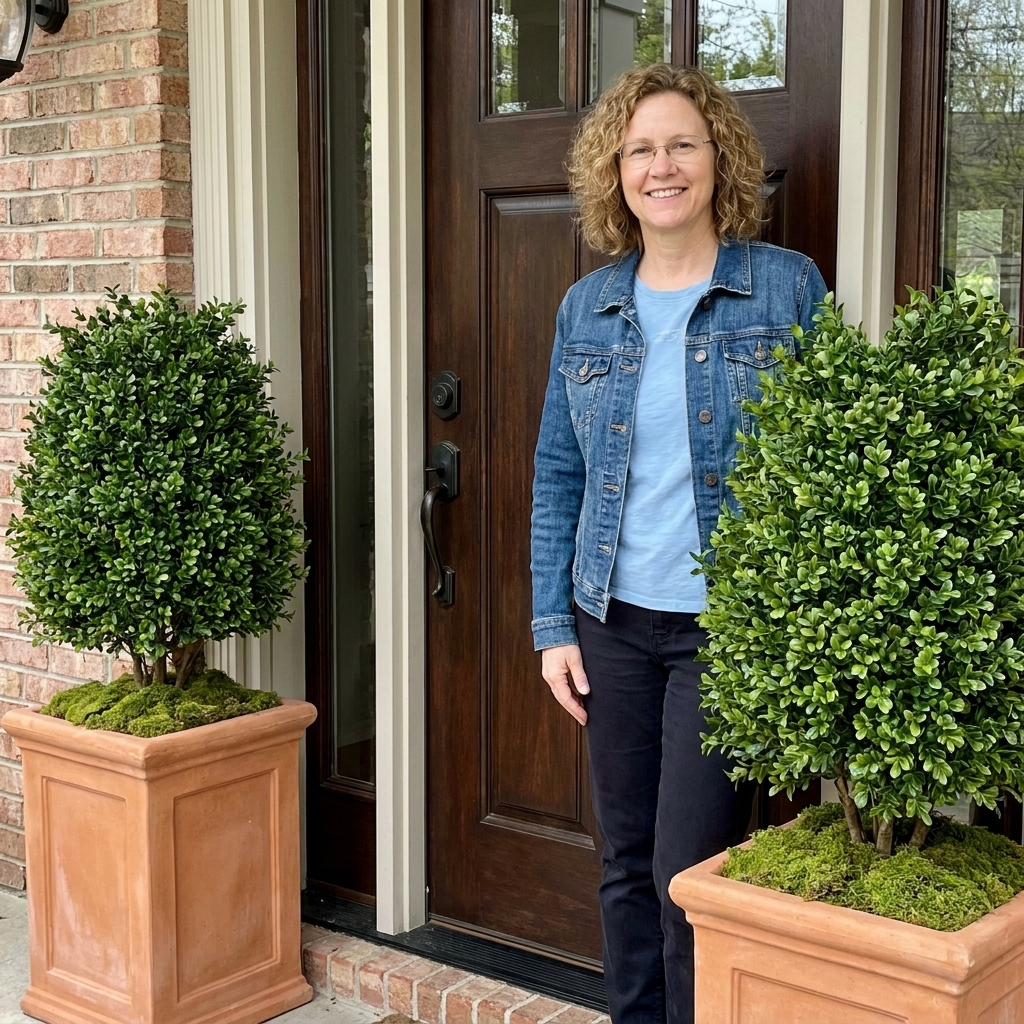
1) The classic pair
- Two matching planters
- Two matching faux shrubs or topiaries
- Same topper in both pots (moss or bark)
This looks polished, makes your door feel framed, and upgrades curb appeal fast.
2) The layered trio
- One tall planter with a faux grass or faux tree
- One medium pot with a rounder shrub shape
- One low bowl or basket with trailing ivy
Keep containers in the same color family, then let the plant shapes vary. Height changes make faux greenery look more like real gardening and less like decor.
3) The statement urn
- One large urn
- One dense, sculptural faux plant (olive, boxwood, or a tall grass)
- Optional: a small uplight tucked behind it for nighttime glow
This is my favorite for narrow stoops because it feels intentional without crowding your steps.
Seasonal touches
I love seasonal porch decor, but faux plants can look like a holiday display if we get too busy. The goal is subtle, like the porch naturally shifted with the weather.
Easy add-ons that stay realistic
- Spring: tuck in a few faux tulip stems low at the base, like volunteers popping up
- Summer: add one trailing stem over the rim, plus a citronella candle nearby to sell the “real outdoor” vibe
- Fall: nestle a small white pumpkin at the base of the pot instead of stuffing picks into the plant
- Winter: add a simple pine spray on one side of the pot, wired and angled, not poked straight up
My personal rule: one seasonal element per pot is usually enough. Two, max.
Keep them looking good
UV-resistant does not mean maintenance-free. It means the materials can help slow fading and weathering, especially compared to indoor-only stems.
As a general expectation, many faux plants look their best for 1 to 3 seasons in full, hot sun, and often longer on covered porches. It depends on the quality of the materials, how harsh your light is, and whether you do basic upkeep.
Quick care routine
- Rinse dust and pollen off with a gentle hose spray every few weeks in peak season.
- Wash occasionally with mild dish soap and water, then rinse well.
- Rotate your pots once a month if one side gets harsh sun, so fading happens more evenly.
- Bring them under cover for severe storms if you can. In my experience, wind-driven grit and debris can scuff leaves and make them look dull over time.
- Touch up the topper: re-fluff moss, sweep stones, and replace anything that looks tired.
If you notice slight fading, moving the pot 6 inches deeper onto the porch can buy you a surprising amount of time.
Troubleshooting
Problem: It looks too perfect
Fix: Bend stems unevenly, create small gaps, and let a few pieces lean. Nature is not symmetrical.
Problem: The color looks “off”
Fix: Pair it with a more natural container, swap shiny topper for bark or moss, and avoid placing it right next to a very healthy real plant where the contrast is obvious.
Problem: You can see the plastic base
Fix: Add a paper or fabric layer, then top-dress generously. Make sure the topper reaches the rim so you cannot see inside the pot.
Problem: The pot keeps tipping
Fix: Add weight low (pavers, gravel) and use an inner pot socket so the trunk is anchored.
FAQ
Do UV-resistant faux plants really last outside?
They can, especially on covered porches. In full sun, even UV-protected materials will fade eventually, but you can extend their good-looking window a lot with rinsing, rotating, and shifting them out of harsh afternoon sun. As a rough guideline, 1 to 3 seasons in full sun is common, with longer life in shade or under cover.
How do I make faux plants look real in planters?
Focus on three things: believable scale (big enough for the pot), a natural shape (fluffed and imperfect), and a realistic top dressing (moss, bark, coir, or stones) that hides foam and plastic.
What is the best filler for faux plants in outdoor pots?
For weight: gravel, pavers, or bricks. For the top: preserved moss for lush looks, bark for classic planters, and stones for modern styles. Many of my pots use both gravel in the bottom and moss on top.
Should I drill drainage holes if the plant is faux?
If your planter sits fully exposed to rain, drainage holes help prevent standing water from pooling. If it is under a roof and truly stays mostly dry, you can often skip holes and focus on weight and stability. If you ever notice water collecting after a storm (even on a covered porch with windblown rain), add drainage, elevate the inner pot slightly, or move the container deeper under cover.
A finishing touch
Once your pots are planted, add one “human” detail nearby: a doormat you love, a lantern, or a simple bench cushion . When the porch feels lived-in, the greenery reads as part of the home, not a display. And that is the whole point, right? A porch that feels like it is quietly welcoming you back every time you come up the steps.