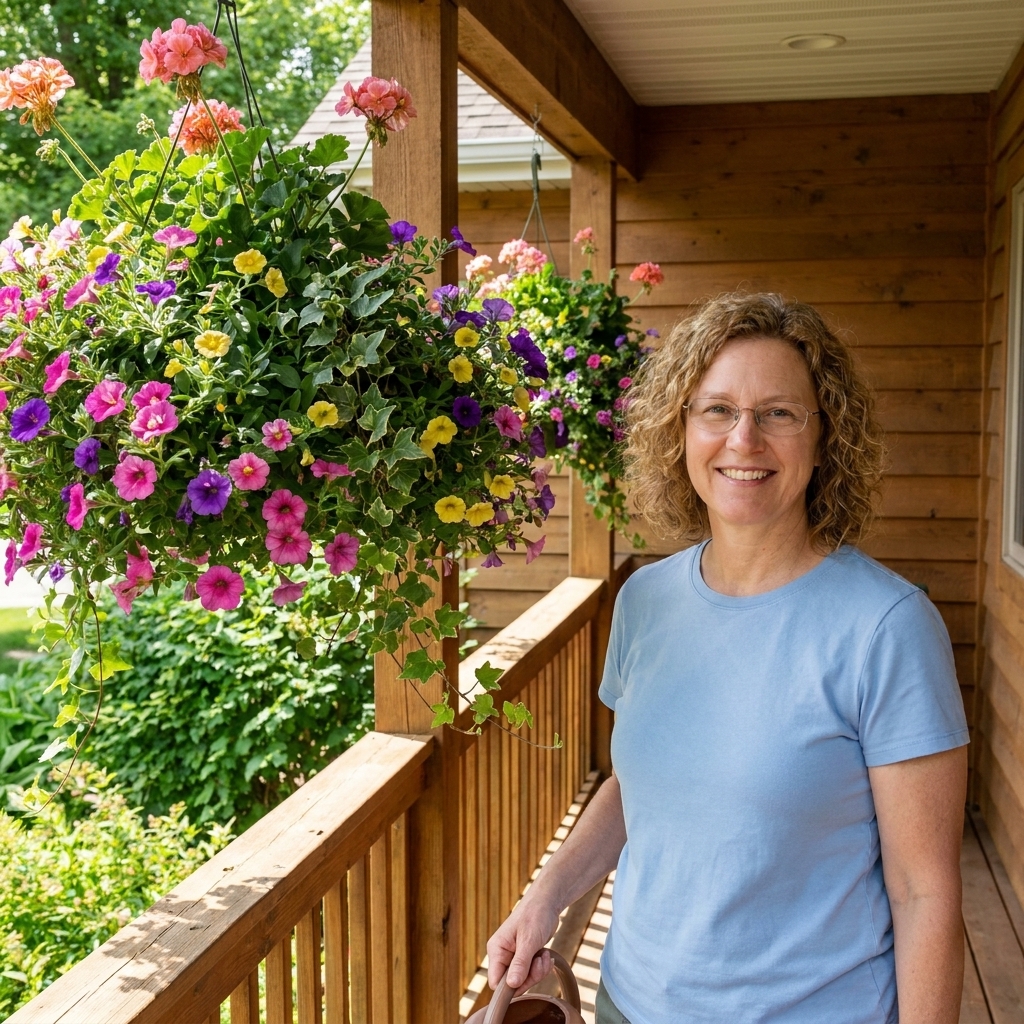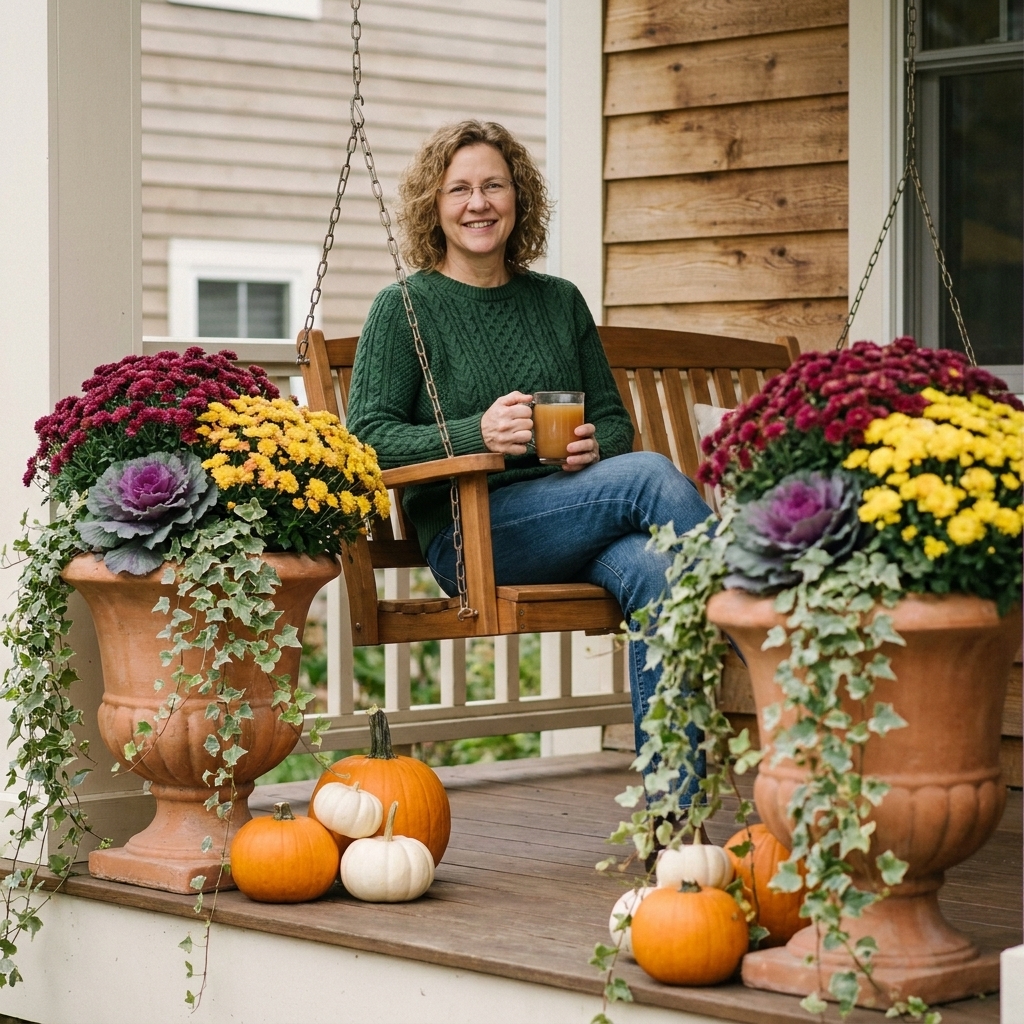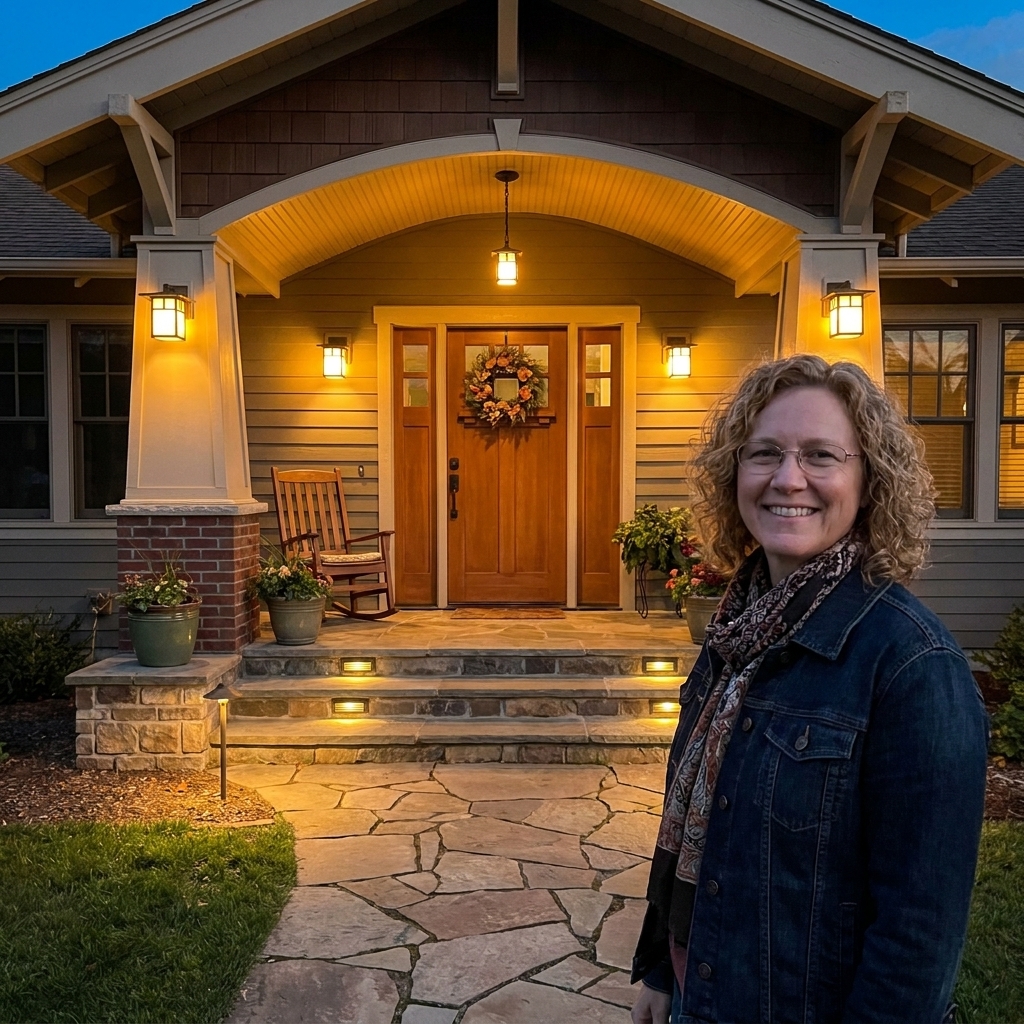
A covered front porch is basically a little outdoor room, and like any room, the light matters. If your entry stays bright but never gets direct sun, you are in the sweet spot for some of my very favorite container plants. If your porch is deep and moody, you still have options. You just need plants that are happy in shade, plus a care routine that works under a roof where rain cannot do the watering for you.
This is my neighbor-to-neighbor list of the best shade-loving container plants for covered porches, along with the simple tricks that keep them full, tidy, and welcoming from the curb.
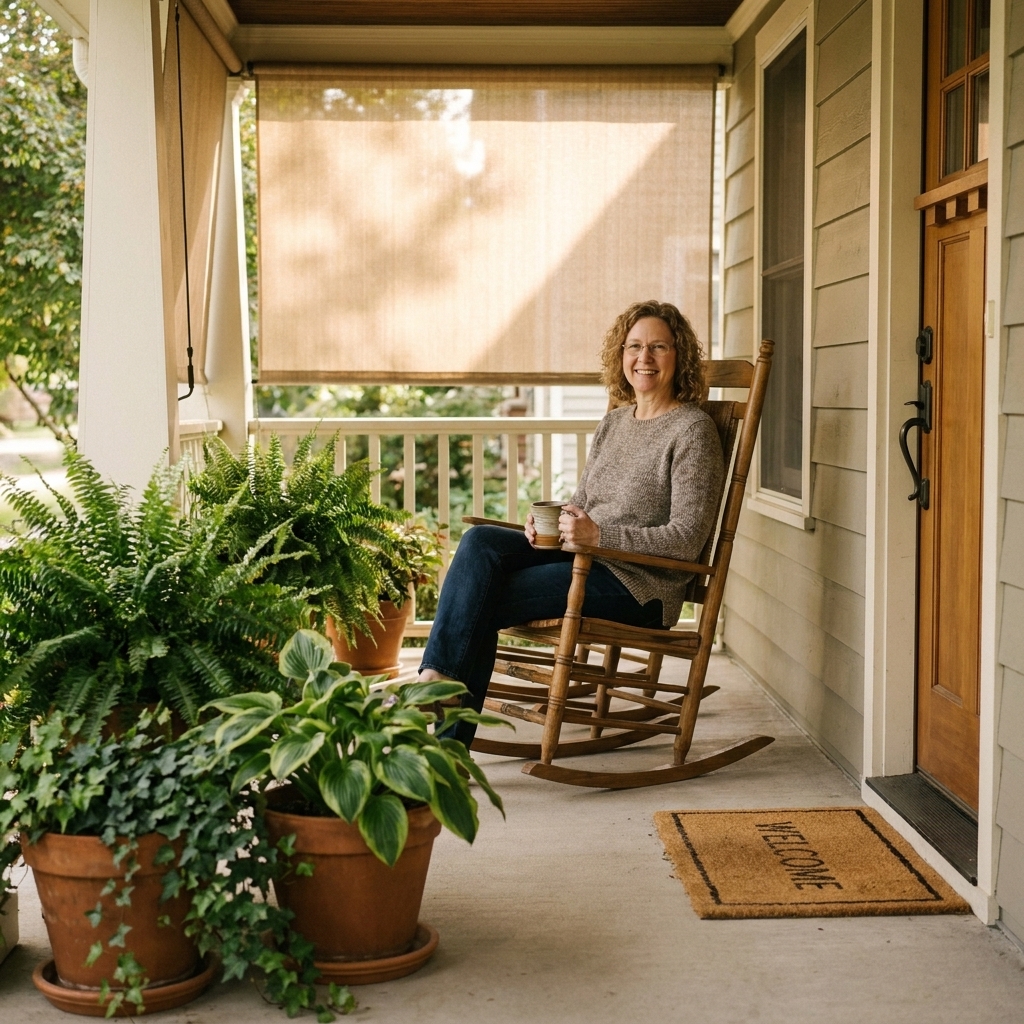
First, figure out what shade you really have
Most front porches fall into one of these categories. Matching your plants to your actual light is the difference between thriving and just surviving.
- Bright shade: No direct sun, but lots of daylight. Think open sides, light-colored siding, and reflections off a driveway.
- Part shade: Two to four hours of gentle sun, usually morning sun that sneaks in from the side.
- Deep shade: Less than two hours of sun and the porch feels dim at midday, often under a deep roofline or surrounded by trees.
My quick porch test: At noon, stand where the pot will live and look at your shadow. If it is crisp, you have sun. If it is soft but visible, you have bright shade. If you can barely see it, plan for deep shade plants. This is a quick way to gauge brightness, not a perfect measurement of sun hours, and it can change with seasons as the sun angle shifts.
Porch-ready shade lovers
These plants are dependable in pots and forgiving on covered porches. I am including what they do best, what to watch for, and the simplest care notes so you can shop with confidence.
1) Hostas
If your porch is cool and shady, hostas are the instant lush plant. Their leaves make everything look more expensive, even in a basic pot.
- Light: Bright shade to part shade (morning sun is usually fine).
- Why they work: Big texture, easy care, and they look great in pairs flanking a door.
- Care tip: Keep evenly moist, especially in pots. Add a thin mulch layer to slow drying.
- Watch for: Slugs and chewed edges if your porch is very damp and close to beds.
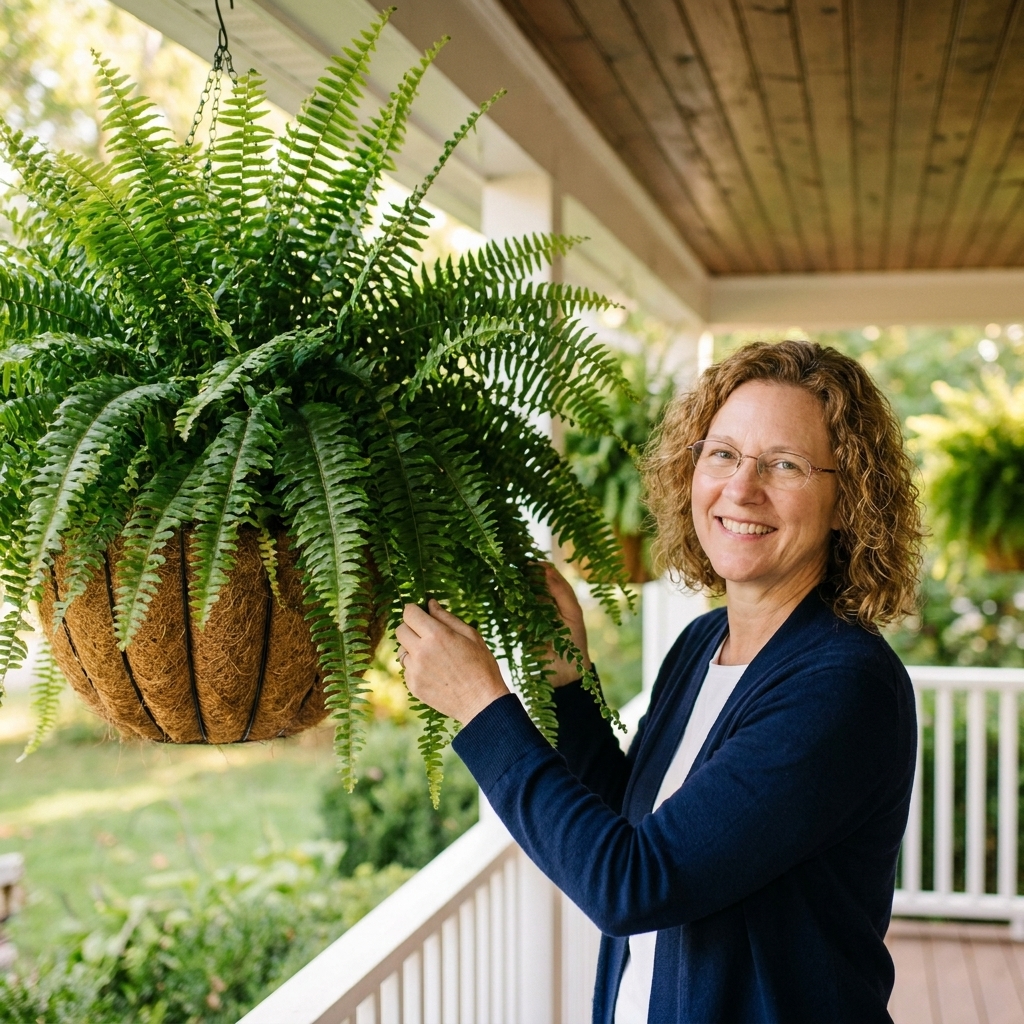
2) Ferns (Boston, Kimberly Queen, bird’s nest)
Ferns are classic porch plants for a reason. They soften hard lines and fill empty corners fast.
- Light: Bright shade is ideal for most porch ferns. Some handle deeper shade, but expect slower growth and a less full look.
- Why they work: Big, arching shape and that old-fashioned porch swing charm.
- Care tip: Water deeply until it runs out the bottom, then let the top inch of soil dry before watering again.
- Watch for: Crispy tips from dry air or missed waterings under a roof. Also, Boston fern tends to thin in very low light, while bird’s nest fern often tolerates lower light better (and different outdoor ferns vary a lot by species).
3) Heuchera (coral bells)
For color in shade, heuchera is a little miracle plant. The foliage comes in lime, caramel, plum, and nearly black.
- Light: Bright shade to part shade.
- Why they work: Color without flowers, tidy mounds, and they pair beautifully with ferns and hostas.
- Care tip: Avoid soggy soil. Use a pot with drainage and a chunky mix.
- Watch for: Hot reflected heat from brick or concrete can scorch lighter varieties.
4) Coleus
Coleus is my go-to when I want porch pots to look decorated right away. The leaf patterns do all the work.
- Light: Bright shade to part shade. Many newer varieties can take more sun, but covered porches are perfect.
- Why they work: Fast growth, bold color, and easy to pinch into a full shape.
- Care tip: Pinch stem tips every couple of weeks for bushiness. If it blooms, pinch those too.
- Watch for: Leggy growth in deep shade. Move closer to the porch edge if it stretches.
5) Caladium
If you want that soft, romantic, cottage-garden feeling in shade, caladium brings it. The leaves look like painted hearts.
- Light: Bright shade to part shade.
- Why they work: Big impact with minimal fuss, especially in simple planters.
- Care tip: Warmth matters. Wait until nights are reliably warm before setting pots out.
- Watch for: It can go dormant when it gets cool. That is normal, not a failure.
6) Begonias (wax begonias, tuberous begonias)
Begonias are porch workhorses. In bright shade, they add color without looking messy or demanding constant grooming.
- Light: Bright shade and gentle morning sun.
- Why they work: Long bloom time, tidy shape, and great for mixed pots.
- Care tip: Water when the top inch feels dry. They hate staying soggy.
- Watch for: Tuberous begonias are a little more particular than wax begonias. They can be fussier about heat, humidity, and watering, so give them good airflow and avoid splashing the leaves.
7) Impatiens (including New Guinea impatiens)
For a porch that reads cheerful from the street, impatiens are hard to beat.
- Light: Bright shade to part shade. New Guinea types handle a bit more light.
- Why they work: Color all season in the right spot.
- Care tip: Keep moisture consistent. A porch roof means you cannot rely on rain.
- Watch for: In many regions, common impatiens have been hit hard by downy mildew. If that has been an issue where you live, choose New Guinea impatiens or resistant varieties.
8) Fuchsia (for hanging baskets)
If your porch gets bright shade and stays on the cool side, fuchsia makes the most beautiful hanging baskets. The flowers look like tiny earrings dancing in the breeze.
- Light: Bright shade, morning sun only.
- Why they work: Nonstop bloom with the right watering, and it feels instantly porch-y.
- Care tip: Do not let it dry out completely. Water baskets often in summer.
- Watch for: Heat. In very hot climates, it may struggle on a warm porch.
9) Fatsia japonica (Japanese aralia)
When you need a big, glossy statement plant for a deep porch corner, fatsia is worth hunting down.
- Light: Bright shade to deep shade.
- Why they work: Bold tropical vibe, great structure, and surprisingly shade tolerant.
- Care tip: Use a heavier pot so it does not tip. Water thoroughly, then let the top layer dry slightly.
- Watch for: Cold sensitivity depends on your winters. In many areas it is a seasonal container plant.
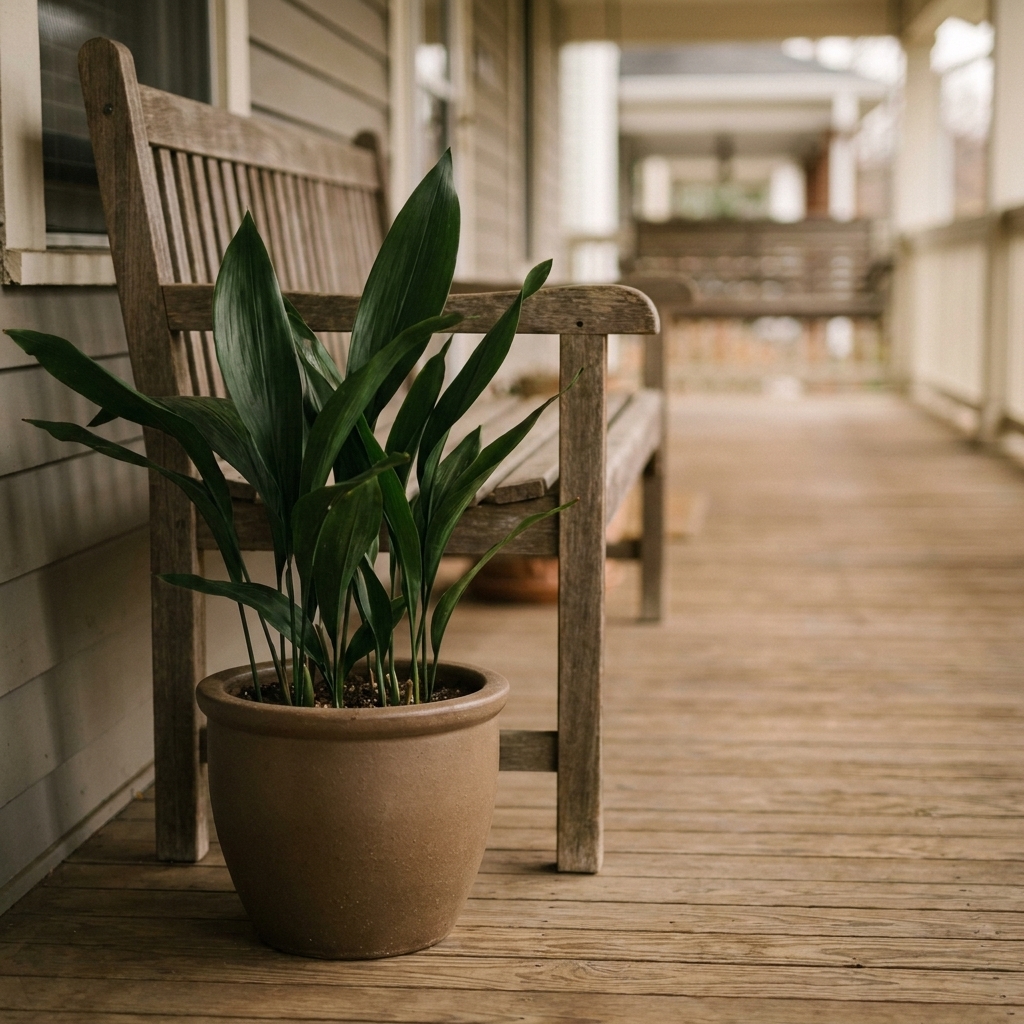
10) Cast iron plant (Aspidistra)
The name says it all. This is one of the toughest low-light plants you can put in a container.
- Light: Deep shade to bright shade.
- Why they work: Architectural leaves, slow and steady growth, and it tolerates missed waterings better than most.
- Care tip: Do not overwater. Let the top couple inches dry before watering again.
- Watch for: Slow growth means it will not fill a huge pot quickly. Size accordingly.
11) Snake plant (Dracaena trifasciata, formerly Sansevieria)
Yes, it is often considered a houseplant, but snake plant is a surprisingly stylish porch container plant in warm months, especially on very shaded porches with bright ambient light.
- Light: Bright shade to deep shade (growth is slower in lower light).
- Why they work: Tall, clean lines for modern porch styling.
- Care tip: Use a gritty potting mix and water sparingly.
- Watch for: Cold nights. Bring it in before temperatures drop.
12) Ivy, creeping Jenny, and other trailers (use with intention)
Trailing plants are how you make a container look full and finished, especially on a porch where the pot is seen from all angles.
- Light: Many do well in bright shade. Some tolerate deeper shade, but may thin out.
- Why they work: Soft edges, movement, and that lush overflow look.
- Care tip: Trim regularly so they do not swallow your focal plant.
- Watch for: In some regions, English ivy can be invasive if it escapes into beds. Choose responsibly for your area.
Easy container recipes
If you want pots that look professionally planted without overthinking it, use the classic thriller, filler, spiller approach. Shade containers are all about leaf texture, so do not be shy about mixing shapes.
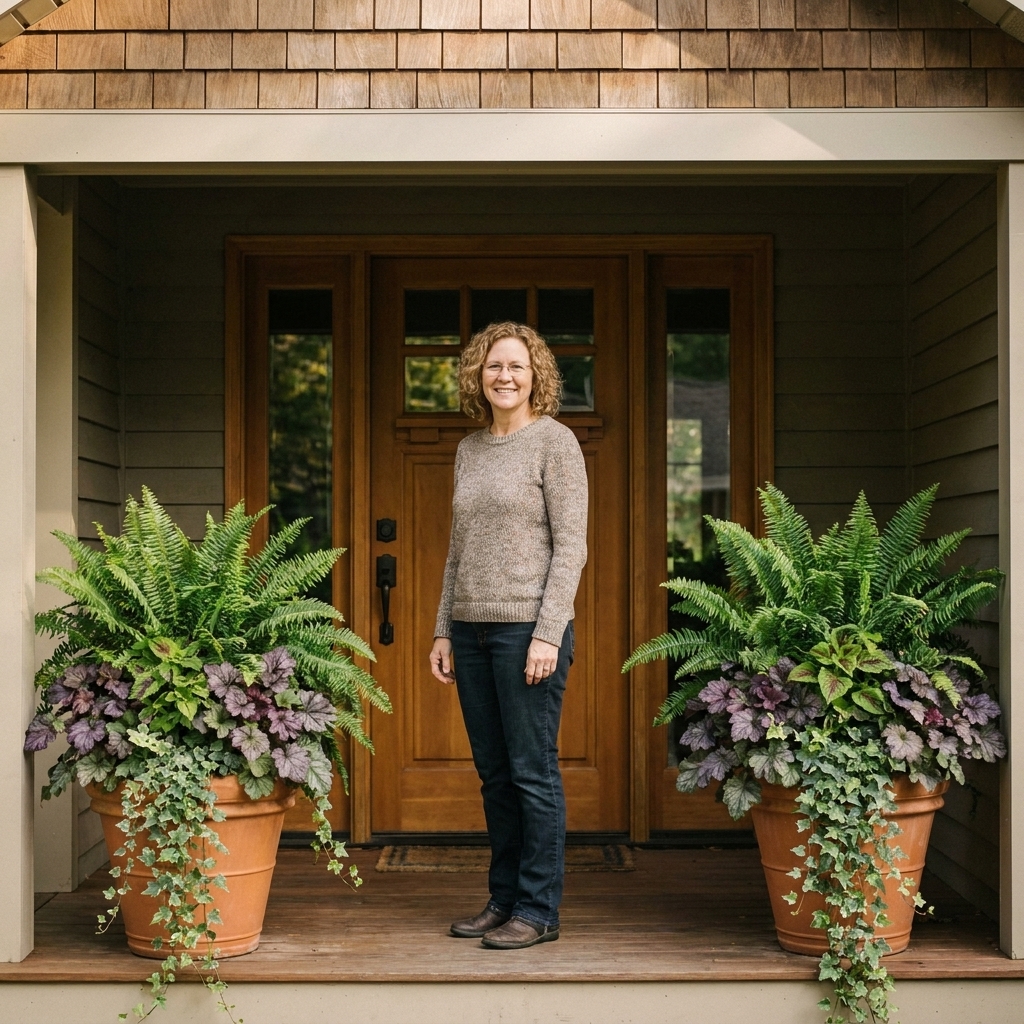
Combo 1: Classic lush entry
- Thriller: Fern (upright variety like Kimberly Queen) or a taller hosta
- Filler: Heuchera (choose a contrasting leaf color)
- Spiller: Creeping Jenny or a trailing begonia
Combo 2: Color-first
- Thriller: Coleus (taller variety)
- Filler: Wax begonia or impatiens
- Spiller: Sweet potato vine (in brighter shade) or trailing coleus
Combo 3: Deep shade, high style
- Thriller: Cast iron plant
- Filler: Fern or dark-leaf heuchera
- Spiller: Ivy (or another shade-tolerant trailer suited to your region)
Combo 4: Hanging basket that lasts
- Star: Fuchsia
- Support: Small trailing ivy or bacopa if your light is bright enough
My porch rule: If you can only do two pots, do two matching pots. Symmetry at the entry is the fastest way to make the whole porch feel pulled together.
Container and soil basics
A roof changes everything. Your plants are protected from harsh sun and pounding rain, but that also means you are in charge of every drop of water.
Pick the right pot
- Drainage is non-negotiable. Make sure the pot has adequate drainage holes. More and bigger openings usually drain better than a single tiny hole.
- Heavier is safer. Covered porches can be windy. A tall plant in a lightweight pot is a tipping hazard.
- Consider a cachepot setup. Keep plants in nursery pots inside a decorative planter, and pull them out to water and drain fully.
Use a potting mix that matches your plants
- Start with quality potting mix. Garden soil in pots compacts and can stay too wet.
- For thirsty plants: Ferns and impatiens appreciate mix that holds moisture well.
- For drought-tolerant shade plants: Snake plant and cast iron plant do better with a faster-draining mix (add perlite or use a cactus blend).
Fertilize gently
Most shade containers do best with a light hand. Too much fertilizer can give you fast, floppy growth.
- Slow-release granules: Great for set-it-and-forget-it feeding.
- Liquid feed: Use at a lower strength, especially for coleus and begonias.
Watering under a porch roof
Shade usually slows evaporation, but covered porch pots can still dry out surprisingly fast because they miss rainfall and can be exposed to wind under the eaves.
A simple watering routine
- Check, do not guess. Stick your finger 1 to 2 inches into the soil.
- Water deeply. A quick splash on top does not count. Water until it drains out the bottom.
- Empty saucers. Standing water leads to root rot, and it can stain porch surfaces.
Overwatering vs underwatering
- Overwatering signs: Yellowing leaves, mushy stems, a sour smell, fungus gnats.
- Underwatering signs: Wilting that perks up after watering, crispy leaf edges, dry soil pulling away from the pot.
If your porch is extra dry
If your pots sit in hard shade under deep eaves and you travel or forget to water, it is worth simplifying your setup. Choose tougher plants (cast iron plant, heuchera, snake plant in warm months), use a bigger pot that holds moisture longer, or add a self-watering insert or a simple drip line.
Make it look designed
On a covered porch, you are decorating as much as you are gardening. These are the styling moves I use again and again.
- Go bigger than you think. A small plant in a big porch corner looks lost. Scale matters at the entry.
- Repeat one element. Repeat the same pot color, the same leaf shape, or the same plant on both sides of the door.
- Mix leaf finishes. Pair glossy (fatsia) with matte (hosta), and fine texture (ferns) with broad leaves (caladium).
- Use height. Add a plant stand, a stool, or a small bench so plants land at different levels.
Seasonal swaps
If you like changing your porch with the seasons, shade containers make it easy. Keep your structure plants and rotate accent plants.
Spring
- Hellebores in pots (cool-season beauty)
- Violas and pansies in bright shade
- Early ferns and heuchera for texture
Summer
- Coleus, caladium, begonias, impatiens
- Ferns and hostas for that lush, settled-in look
Fall
- Heuchera in autumn tones
- Small mums in bright shade (they often last longer in cooler light, but expect fuller blooming with more sun)
- Ornamental peppers if your porch is bright enough
Winter
- Evergreen branches tucked into pots
- Hardy heuchera and some evergreen ferns in sheltered spots, depending on your zone
- Outdoor-safe lanterns and bistro lights to keep the porch feeling warm
Quick troubleshooting
My plant is alive but looks thin
That is usually not enough light. Move the pot closer to the porch edge, rotate it weekly, or swap to a plant that truly tolerates deep shade like cast iron plant.
Leaves are turning yellow
Most often, it is too much water or poor drainage. Check that the pot drains freely and let the soil dry slightly between waterings.
Nothing blooms on my shaded porch
Go foliage-forward. Coleus, heuchera, hostas, and ferns are beautiful without constant flowers. If you want blooms, try begonias or fuchsia in brighter shade.
My porch is shady and hot
Heat trapped under a roof can stress cool-loving plants. Choose tougher foliage plants, give pots a little space away from the wall, and water early in the day so roots are hydrated before the hottest hours.
FAQ
What is the best plant for a porch that gets no direct sun?
For true deep shade, I reach for cast iron plant first, then fatsia or certain ferns depending on humidity and how bright the shade is. They keep their shape and color even when the light is low.
Can I grow hostas in pots on a porch?
Absolutely. Hostas are excellent container plants on a covered porch, as long as you water consistently and use a pot that is wide enough for the roots to spread.
How do I keep porch plants from drying out if it never rains on them?
Water deeply on a schedule you can actually keep, and choose pots and soil that match your habits. If you travel or forget, lean into sturdier plants like cast iron plant, snake plant in warm months, and heuchera.
Do shade plants need fertilizer?
They do, just less than sun plants. A gentle slow-release fertilizer is usually plenty for the season, especially for foliage plants.
Will these plants come back next year?
Some can, depending on your climate and how you overwinter them. Hostas and heuchera are perennial in many zones, but pots expose roots to more cold than in-ground plantings. In colder regions, you may need to move containers into an unheated garage or treat them as seasonal porch plants.
A final porch-loving tip
If you are standing on the sidewalk and your porch feels a little dark, greenery is your best friend. Shade-loving container plants make an entry feel softer, calmer, and more welcoming, and you do not need a dozen pots to get there. Start with two good planters, pick one or two anchor plants you love, and let texture do the decorating.
Quick safety note: If pets or toddlers cruise your porch, double-check plant toxicity before you buy. Caladium, ivy, and snake plant are common examples that can cause issues if chewed.