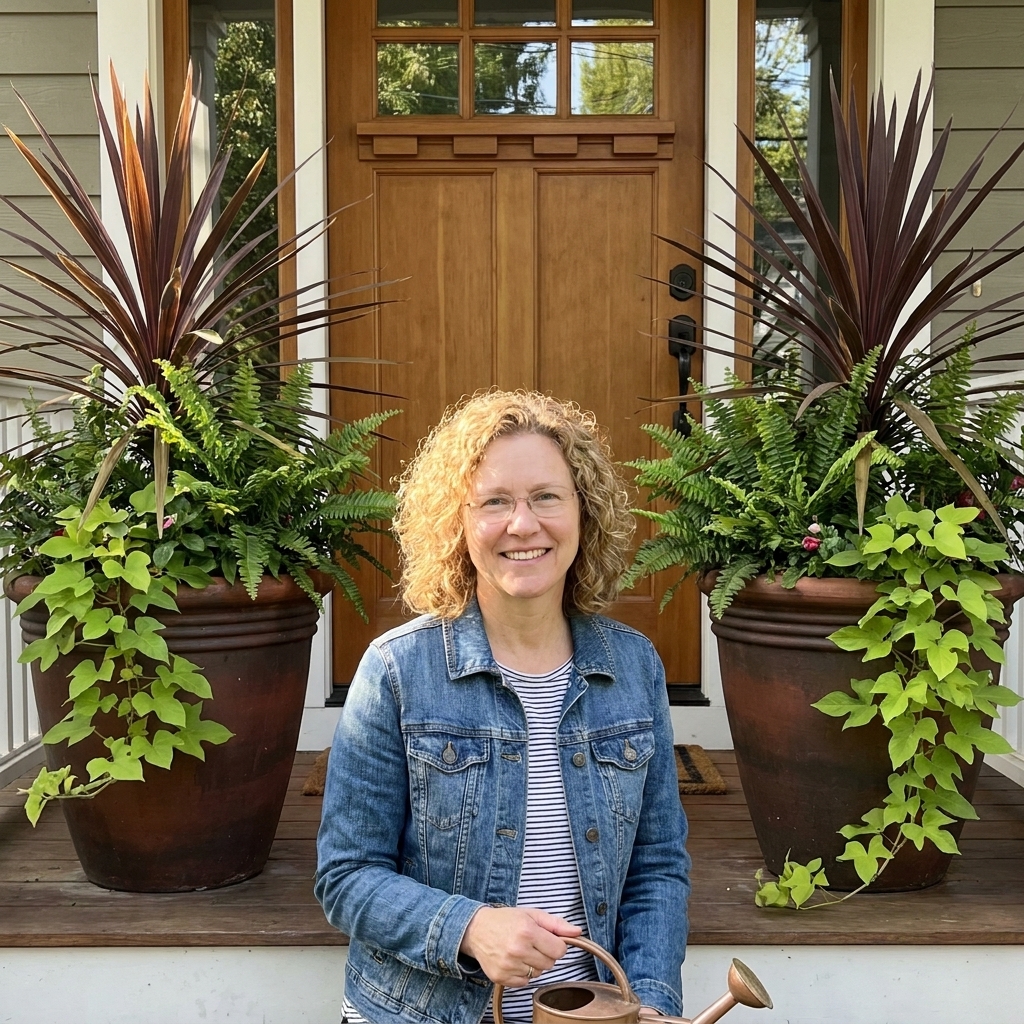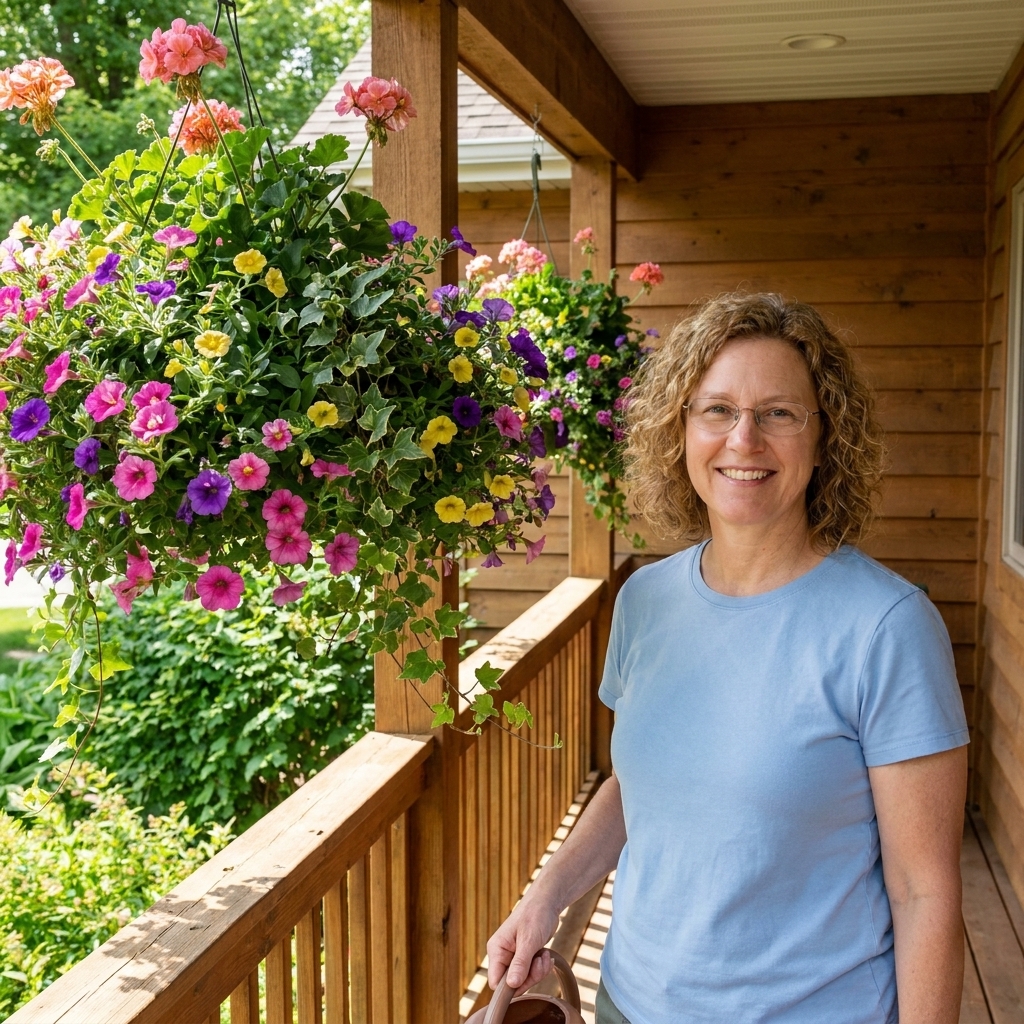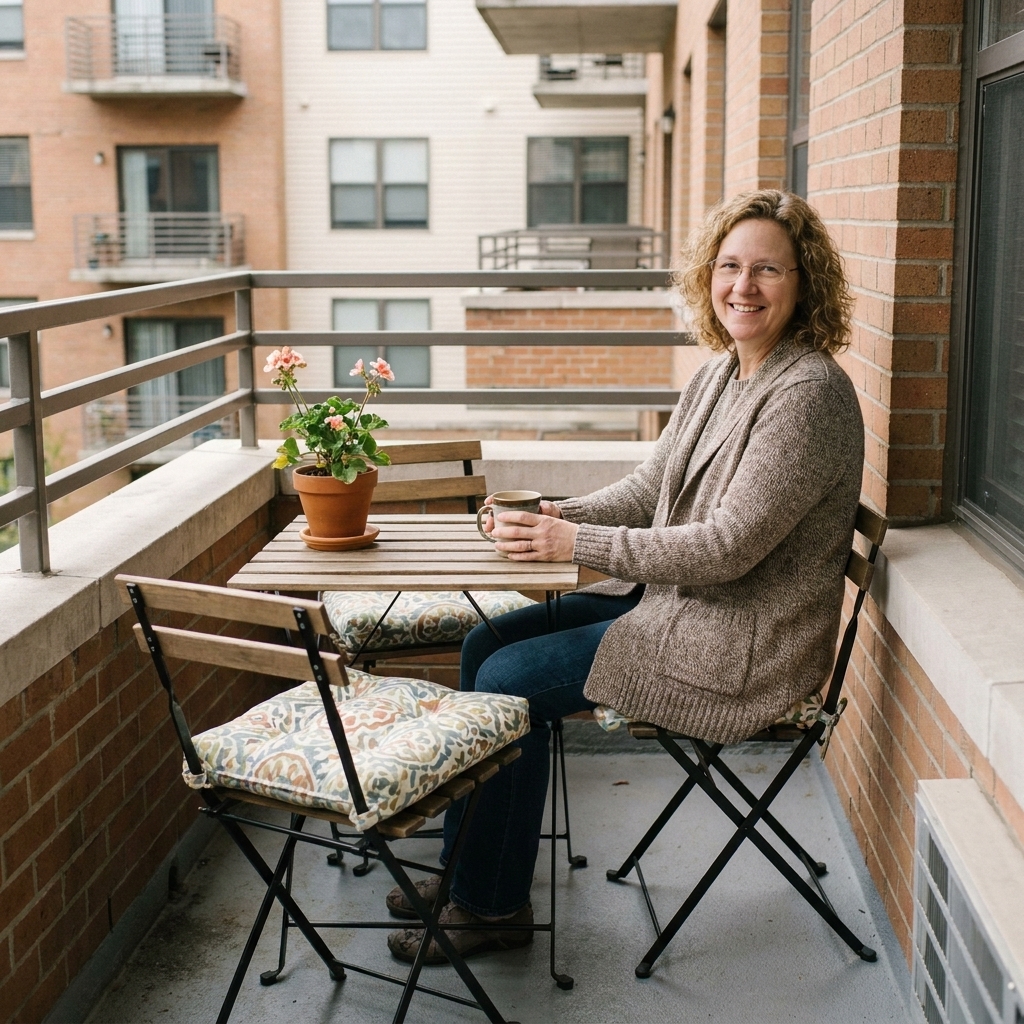
If your apartment patio is more “two chairs and a doormat” than “lush retreat,” you are in the right place. I’m Maggie, and my favorite small-space gardening trick is to stop thinking in square feet and start thinking in vertical inches. Walls, railings, corners, and even the back of a door can hold a surprising amount of green without stealing the precious floor space you actually want to sit on.
Below are my most reliable vertical gardening ideas, plus the exact plant picks and setup tips that keep everything looking full, intentional, and easy to water.
Start with a quick patio check
Before you buy a single pot, take five minutes to answer these. It saves money and prevents the classic “everything looked cute for two weeks” problem.
- Light: How many hours of direct sun do you get? Morning sun counts. Bright shade matters, too.
- Wind: Upper floors can be gusty. Wind dries soil fast and can topple top-heavy stands.
- Water access: Are you hauling a watering can through the living room, or do you have a spigot nearby?
- Rules: Many buildings have guidelines for railing planters, drip trays, and wall mounting. It is worth checking.
- Weight: Wet soil is heavy. Spread weight out, and avoid overloading one corner. If you are planning large containers or multiple towers, check your building guidance or landlord rules when in doubt.
Living walls that look lush
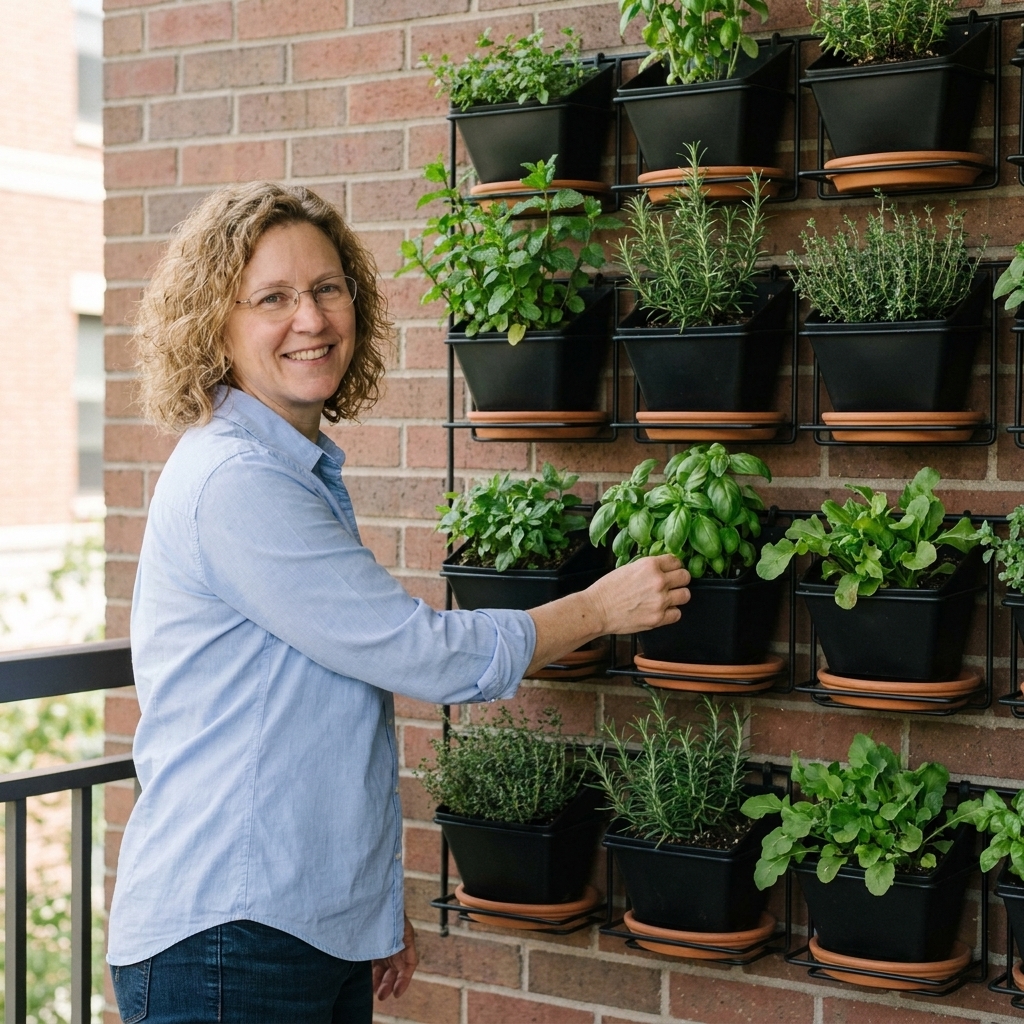
A living wall sounds fancy, but it can be as simple as containers mounted in a grid. The goal is to create one visually calm “green moment” instead of random pots scattered everywhere.
Option 1: Trellis plus climbers
This is my go-to for a big impact with minimal containers. A single deep pot at the base, a trellis above, and you have height fast.
- Best for: Privacy, filtering an unattractive view, softening a blank wall.
- Good plant choices: Star jasmine (fragrant, warm climates), clematis (blooms, likes its roots shaded and cool), climbing roses (sun and good airflow), black-eyed Susan vine (fast seasonal color), peas or pole beans (edible and cheerful).
- Match plants to your climate: Climbers are not one-size-fits-all. Check mature size and your USDA zone, especially if you want something perennial on a balcony.
- Pot tip: Use one larger container, not a tiny one. Climbers drink more than you think.
Option 2: Wall-mounted planters
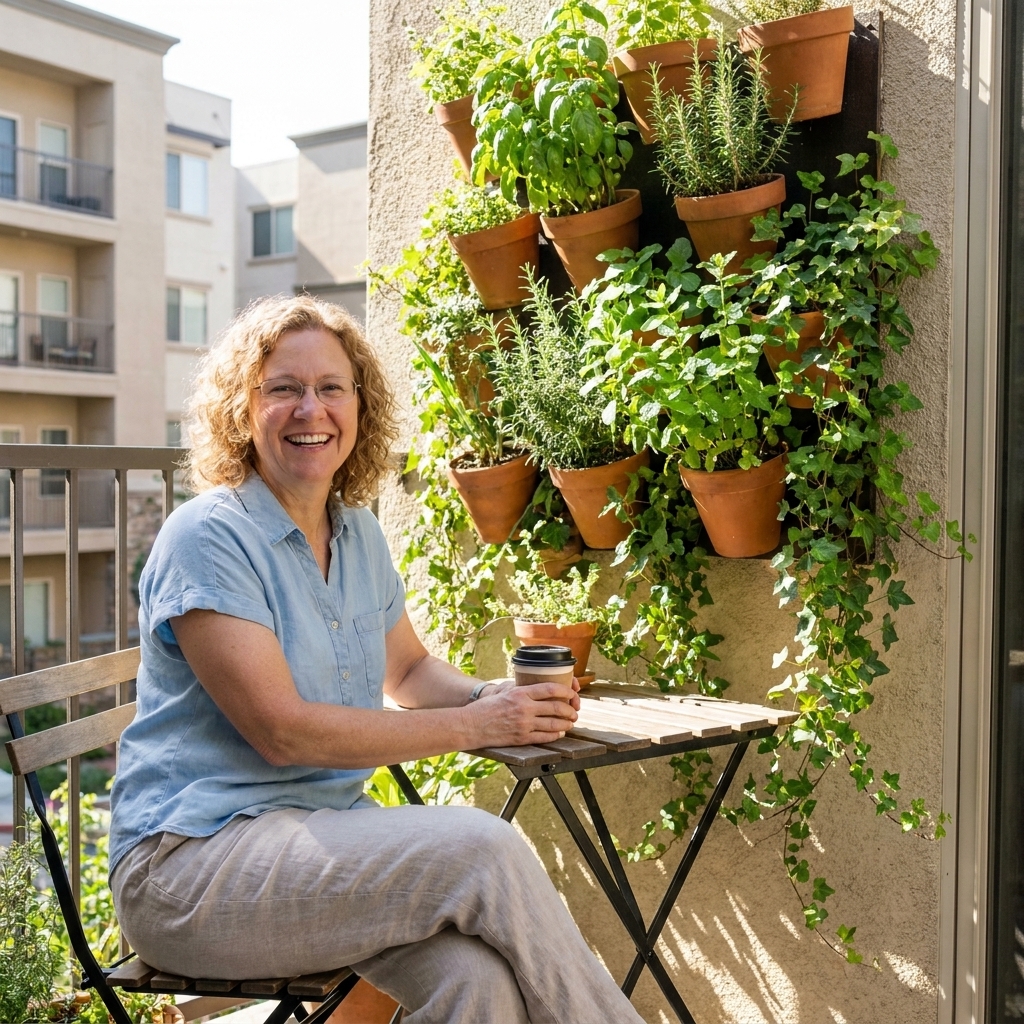
If you love a clean, styled look, mount a few sturdy wall planters in a repeating pattern. Keep the containers consistent, then vary the plants for texture.
- Plant mix that always works: Upright plant + mounding plant + trailer.
- Reliable picks: Ferns in bright shade, pothos in shade, compact coleus for color, trailing sweet potato vine for drama, small herbs for sunny patios.
- Drip control: Choose planters with trays, or add a discreet drip tray below each row.
Option 3: Pegboard or rail system
This is perfect if you like to change things seasonally. Hooks let you swap in blooming annuals in spring, herbs in summer, and hardy greens in fall.
Maggie tip: Keep your heaviest pots on the lowest row. It looks balanced and feels safer.
Quick mounting safety check
- Confirm you are allowed to drill into exterior walls.
- Use outdoor-rated screws and appropriate anchors (studs, masonry anchors, or a system rated for the load).
- Factor in watering weight. A planter that seems light dry can be very heavy when soaked.
Tiered stands that save space
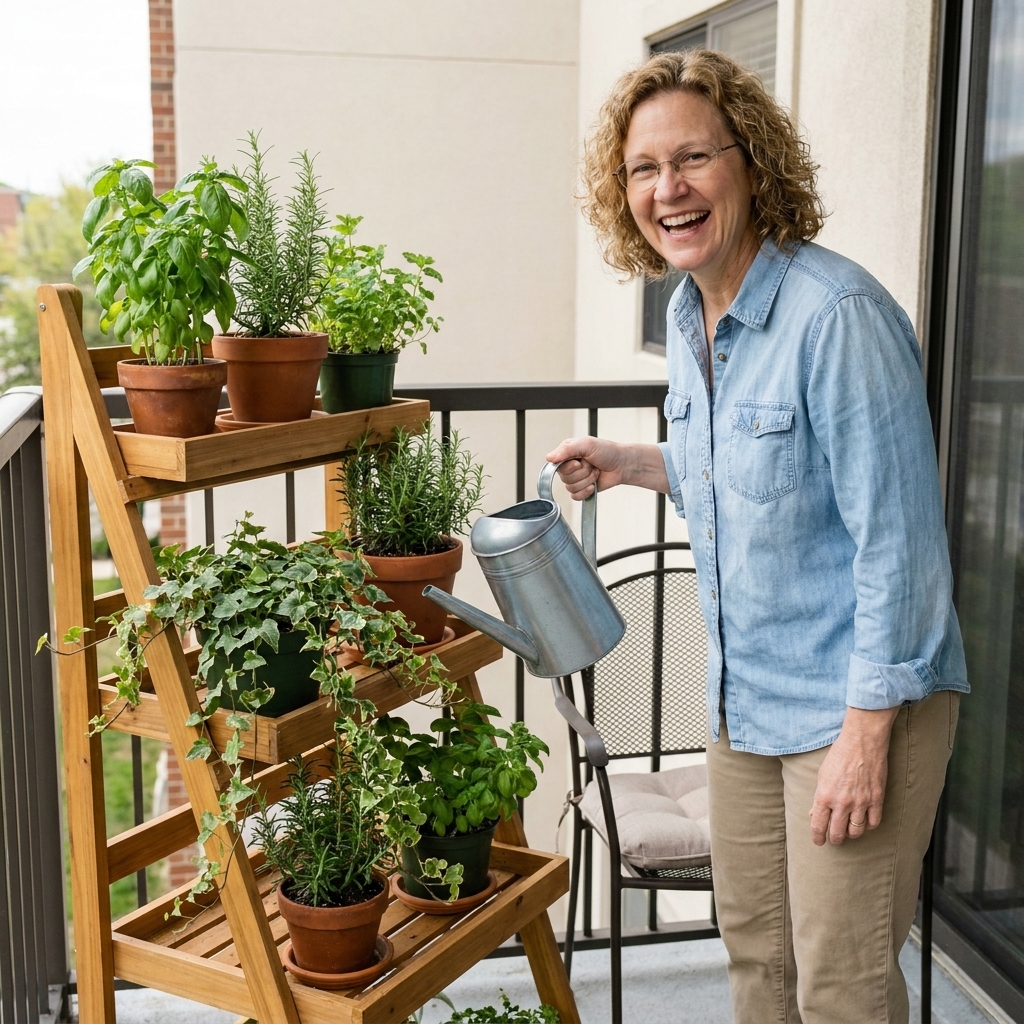
If you only buy one vertical tool, make it a tiered stand. It gives you layers like a little plant theater, which instantly reads as lush and collected, not crowded.
Best stand styles
- Ladder shelf stand: Great against a wall, easy to style, stable if the legs are wide.
- Corner tier stand: Turns dead corner space into a mini garden.
- Spiral or step stand: Works well for herbs and small pots, especially in sun.
How to style it
- Put your tallest plants at the back: Rosemary, snake plant, dracaena, small citrus if you have sun.
- Mix leaf shapes: One spiky, one round, one trailing per shelf is a foolproof rhythm.
- Repeat containers: Even repeating just two pot colors makes it feel cohesive.
- Leave breathing room: A little negative space makes your plants look fuller, I promise.
Outdoor houseplant note: Snake plant and dracaena are happiest outdoors only in warm seasons and sheltered spots. Bring them in before nights dip below about 55°F (13°C), and protect them from cold wind.
Railing planters that feel like free space
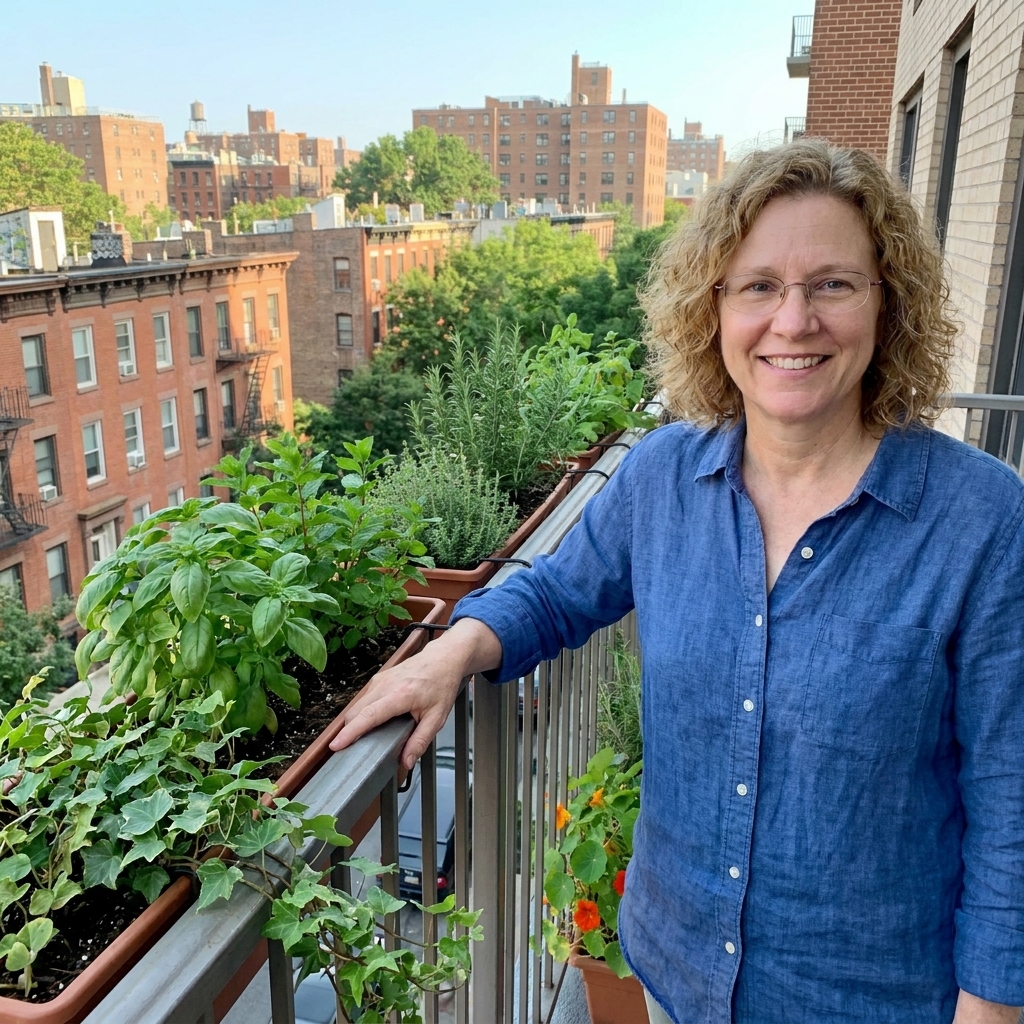
Railing planters are basically free real estate. They are also the fastest way to make a patio feel wrapped in green.
Pick the right style
- Over-the-rail boxes: Simple, common, and easy to remove for storms.
- Adjustable clamp planters: Better for unusual railing widths and more secure in wind.
- Hanging pots: Pretty, but keep them lighter and use strong hardware.
What to plant in railing boxes
- For sun: Geraniums, calibrachoa, petunias, lantana, dwarf marigolds, basil, thyme.
- For part shade: Begonias, impatiens, coleus, trailing torenia, mint (keep it contained).
- For a modern green look: All herbs, or all foliage like ivy and sweet potato vine.
Safety note: Always use a drip tray or self-watering insert, and keep the soil line slightly below the rim so water does not slosh in wind.
Hanging planters without the hassle
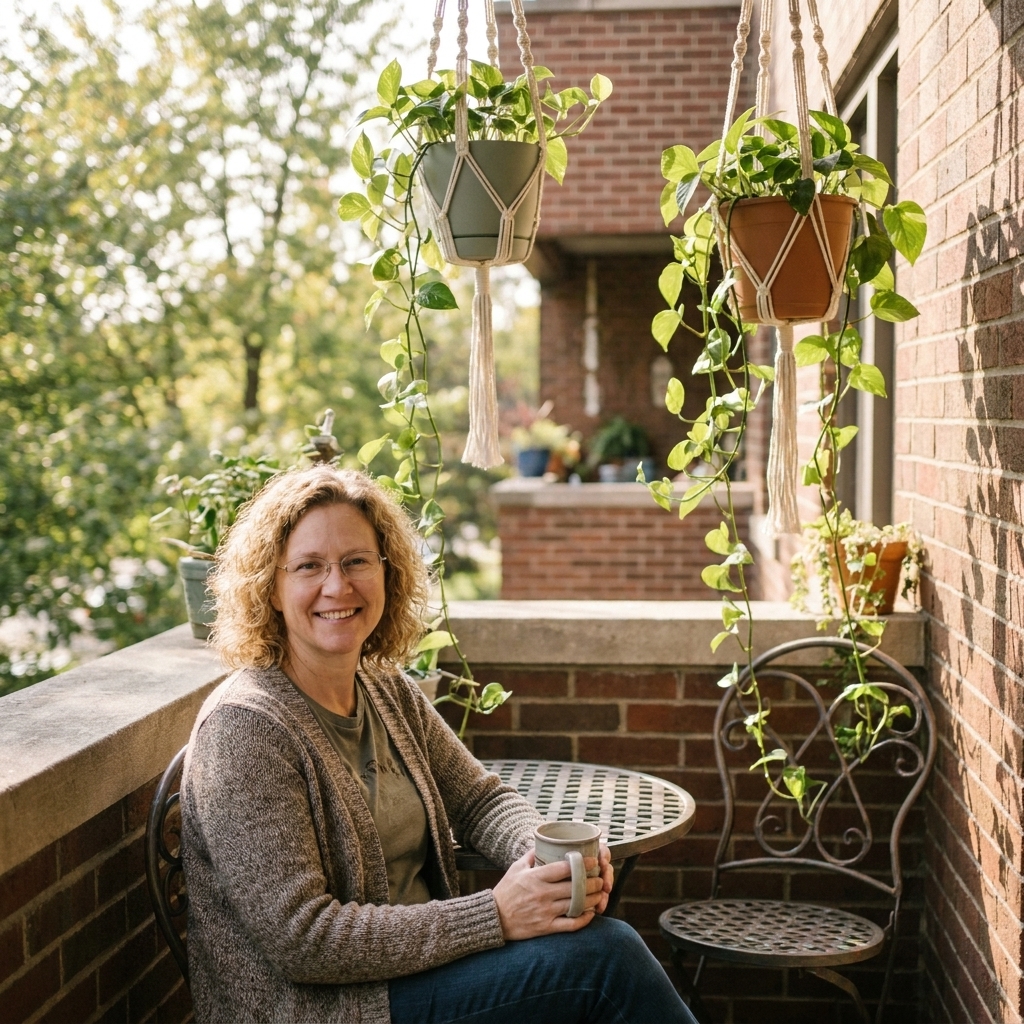
Hanging planters are beautiful, but they should never bonk you in the head or turn your patio into an obstacle course. The trick is to hang them where people do not walk and where you can still water them without a gymnastics routine.
Smart places to hang
- From the ceiling in a corner
- From a wall bracket above a side table
- From a freestanding shepherd’s hook tucked behind a chair
Best trailing plants for baskets
- Sun to very bright light: String of bananas (best with very bright light, protect from harsh afternoon scorch), trailing verbena, bacopa, nasturtiums.
- Part shade: Pothos, heartleaf philodendron, ivy, ferns.
One ivy caveat: English ivy prefers cooler, bright shade and can struggle in hot, dry wind. It is also invasive in some regions, so check local guidance before growing it outdoors.
Maggie tip: Use a lightweight pot and add a clear saucer if your basket does not have a built-in catch. Your downstairs neighbor will thank you.
Stacked containers and tower planters
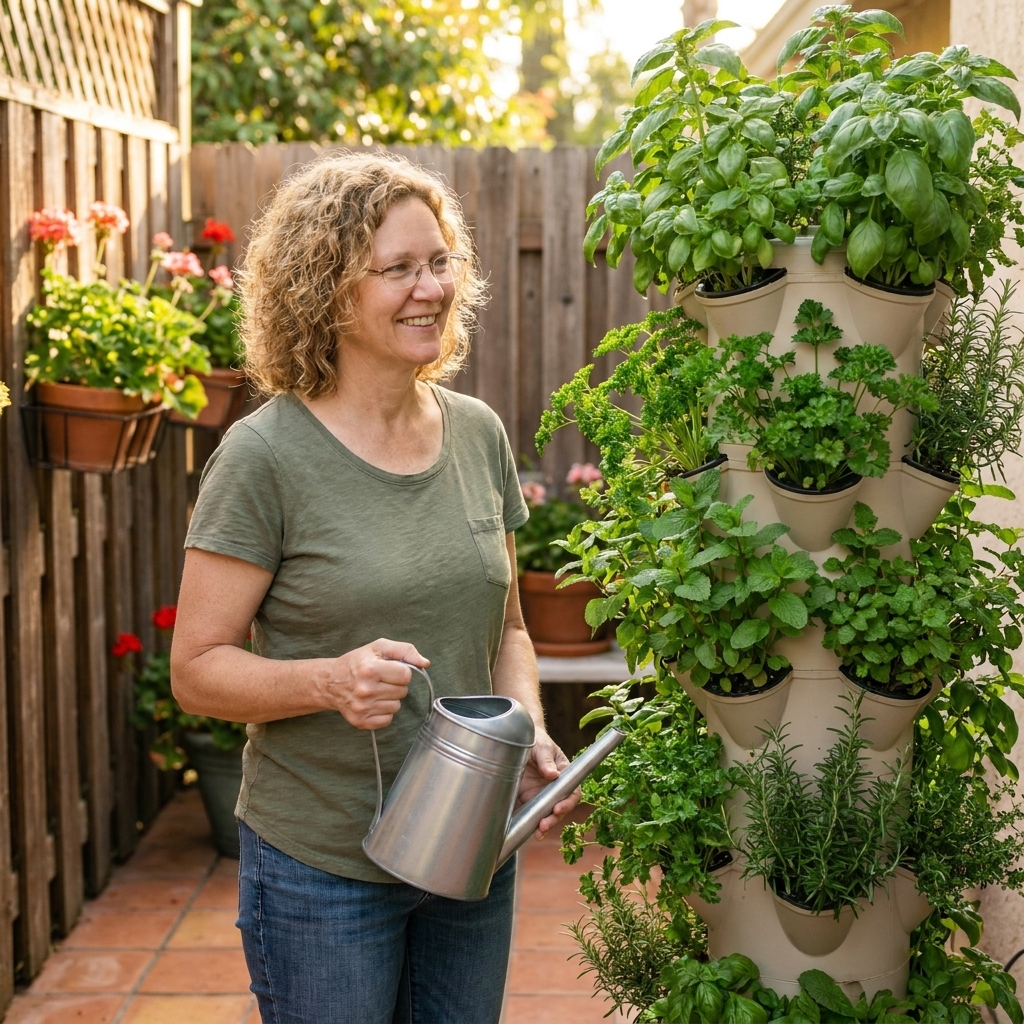
When you want a lot of plants in one spot, think “stack.” Strawberry pots and vertical tower planters are fantastic for herbs, leafy greens, and compact flowers.
What grows well in towers
- Herbs: Basil, parsley, chives, oregano, thyme.
- Greens: Lettuce, arugula, spinach (cooler seasons are happiest).
- Flowers: Alyssum, pansies, violas, compact petunias.
How to keep towers from drying out
- Use a moisture-retaining potting mix, not garden soil.
- Water slowly from the top until you see water reaching the bottom.
- Group towers where they get morning sun rather than all-day blasting heat, if possible.
A green privacy screen in a weekend
If your patio feels exposed, vertical gardening is your best friend. Privacy screens are where small patios become true outdoor rooms.
Three easy setups
- Tall planters with a trellis: One or two big containers plus a trellis makes an instant wall of green over time.
- Freestanding shelf with trailers: Place a ladder shelf perpendicular to the railing to block sightlines.
- Railing planters plus tall grasses: Use taller plants in a few deep railing boxes, then fill the rest with trailers.
Plants that read lush
- Ornamental grasses: Fountain grass (sun), carex (part shade).
- Big leaves: Elephant ear (warm season, part shade to sun), canna (sun), rubber plant (Ficus elastica) only outdoors year-round in truly frost-free climates. Otherwise, treat it as a seasonal patio plant and bring it in before cold nights.
- Fast seasonal fillers: Sweet potato vine, nasturtiums, coleus.
Watering and maintenance
Vertical gardens fail most often for two reasons: inconsistent watering and not enough soil volume. Nail those two and you are in great shape. Light, wind, and pests can still be factors, but water and root space are the big levers you can control quickly.
Make watering easy
- Self-watering planters: Especially helpful for railing boxes and wall planters.
- Saucers and trays: Use them everywhere. They protect flooring and keep moisture around longer.
- A narrow spout watering can: My favorite tool for tight spaces and wall grids.
- Mulch the top: Even a thin layer of bark or coconut coir helps containers hold moisture.
Drainage and neighbor-proofing
- Use pots with drainage holes, plus a saucer or tray to catch runoff.
- Empty standing water after heavy watering or rain to avoid mosquitoes.
- If balcony surfaces stain easily, add a waterproof tray under your most drippy setups.
Wind-proofing
- Anchor tall stands against a wall when possible.
- Use heavier pots on the bottom tiers.
- Choose squat containers for top shelves, not tall narrow ones.
Fertilizing without overthinking
Container plants use up nutrients faster than in-ground plants. A balanced liquid fertilizer every couple of weeks during active growth is usually enough. For herbs, go lighter so you do not sacrifice flavor.
Microclimate tip
Balconies run hotter and drier than you think, especially near reflective walls and railings. Windward corners dry fastest, so put your thirstiest plants where they get a little shelter.
Plant combos that always work
If you want that styled, layered look without a lot of decision fatigue, steal one of these combos and repeat it in a few spots.
Sunny patio combo
- Upright: Rosemary or dwarf citrus
- Mounding: Geraniums or calibrachoa
- Trailing: Sweet potato vine or trailing verbena
Bright shade combo
- Upright: Snake plant or dracaena (outdoors only in warm weather, bring inside before cool nights)
- Mounding: Coleus or begonias
- Trailing: Pothos or ivy (best in cooler bright shade)
Edible and pretty combo
- Upright: Kale (ornamental and edible)
- Mounding: Basil or parsley
- Trailing: Nasturtiums (edible flowers)
FAQ
How do I do vertical gardening if I cannot drill into walls?
Use a freestanding ladder shelf, a corner tier stand, a rolling cart, or a trellis in a large pot. For railings, pick clamp-on planters designed to lock in place without hardware.
What is the easiest vertical garden for beginners?
A tiered plant stand plus a few trailing plants is the easiest win. It is forgiving, easy to rearrange, and you can scale it up slowly.
What plants handle wind on high balconies?
Look for sturdier stems and slightly thicker leaves. Herbs like rosemary and thyme do well, as do many grasses and geraniums. Avoid very delicate trailers in the windiest spots, or tuck them behind taller plants for shelter.
How do I keep my vertical garden from looking messy?
Repeat containers, limit your color palette, and group plants by texture. Also, prune trailing plants regularly so they spill in a controlled way instead of tangling.
Leave space for living
My favorite part of vertical gardening is that it gives you the lush feeling of a garden without sacrificing the reason you wanted a patio in the first place. Keep your floor space clear for a chair, a tiny table, and maybe a lantern or two. Then let the walls, corners, and railing do the heavy lifting with green.
If you try one of these setups, start small. One railing box. One tiered stand. Once you see how much life it adds, you will be hooked in the best way.