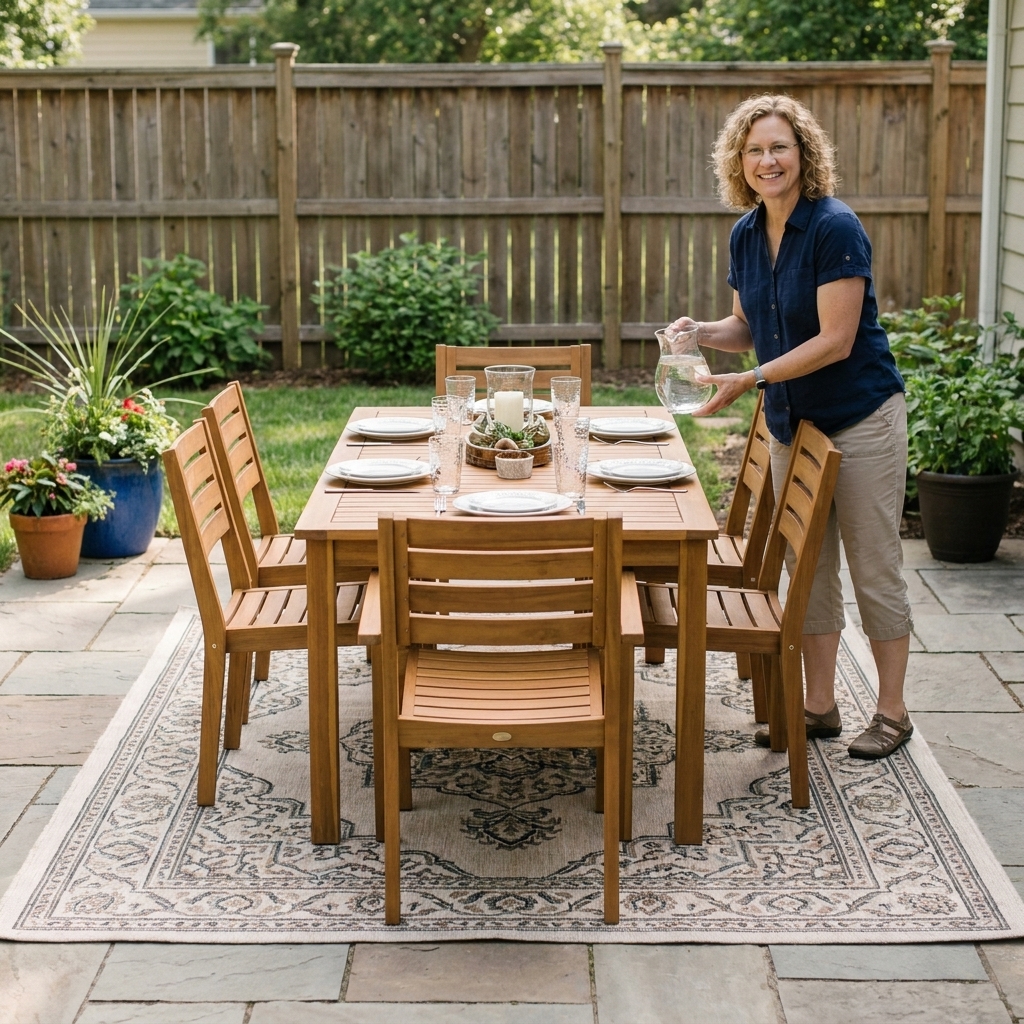
If your deck feels a little too “open concept” for comfort, tall potted plants are one of the prettiest fixes I know. You get privacy without building anything permanent, plus you soften hard railings and sightlines with living greenery. And if you choose the right plants and pots, you can get a screen that fills in surprisingly fast.
Below, I’ll walk you through picking tall container plants that actually work for privacy, choosing pots that keep them stable (no scary wind tipping), and arranging everything so it blocks the view, not just decorates the corners.
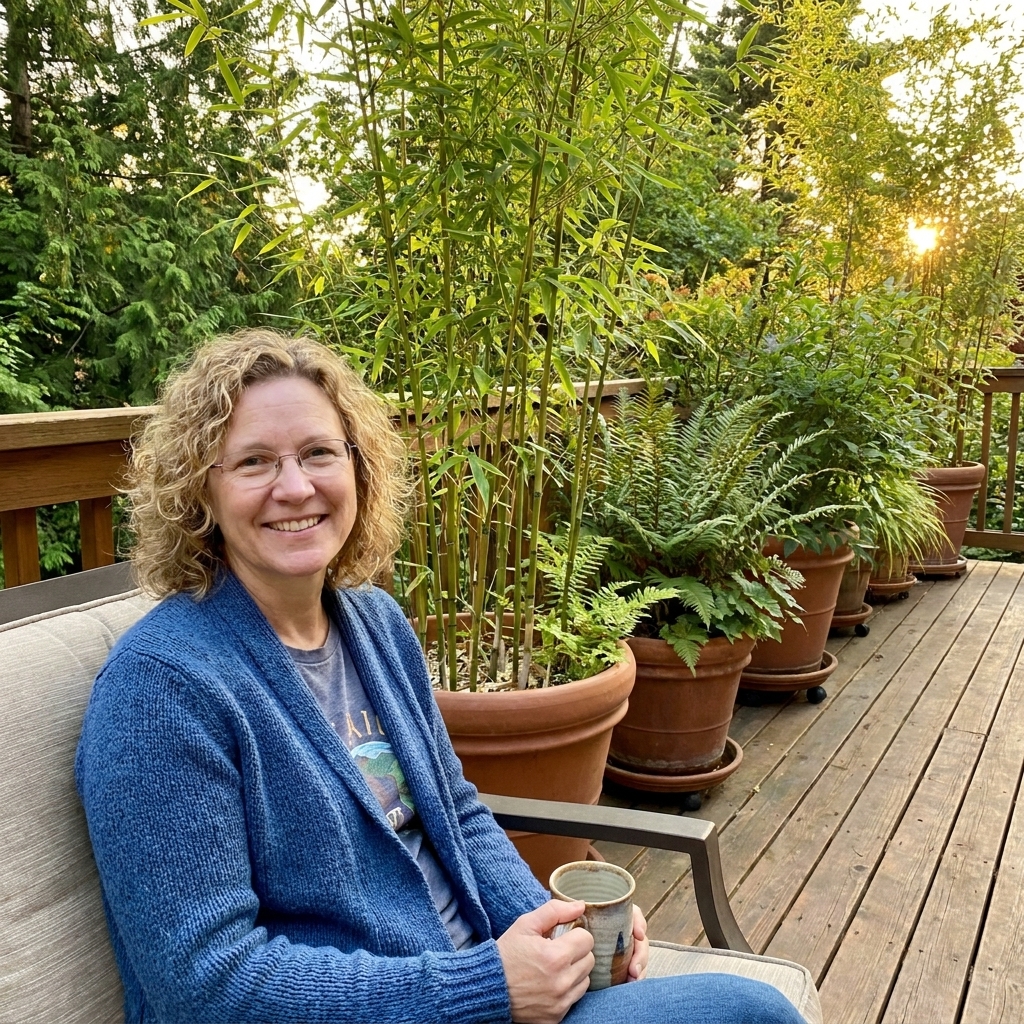
Start with the privacy line
Before you buy a single plant, stand on your deck where you actually sit: your favorite chair, the dining table, the grill. Now look toward the neighbor windows, their patio, or that one spot where you always feel on display.
I like to map a simple “privacy line,” which is just the stretch that needs height. This keeps you from overbuying plants and ending up with a jungle where you wanted a calm retreat.
Quick measuring trick
- Height: For many decks, a screen that lands around 5 to 7 feet (including the pot) feels like a solid starting point, but the right height depends on your exact sightlines and whether your deck sits above the yard.
- Length: Measure the linear feet you want covered. Then decide if you want a solid wall or a soft, layered screen.
- Sun and wind: Note how many hours of sun that line gets and whether wind funnels along it. These two details decide which plants will thrive.
Best tall container plants
For a natural screen, you want plants that are tall, dense, and happy in pots. Here are my go-to options, with honest notes on what they’re like to live with.
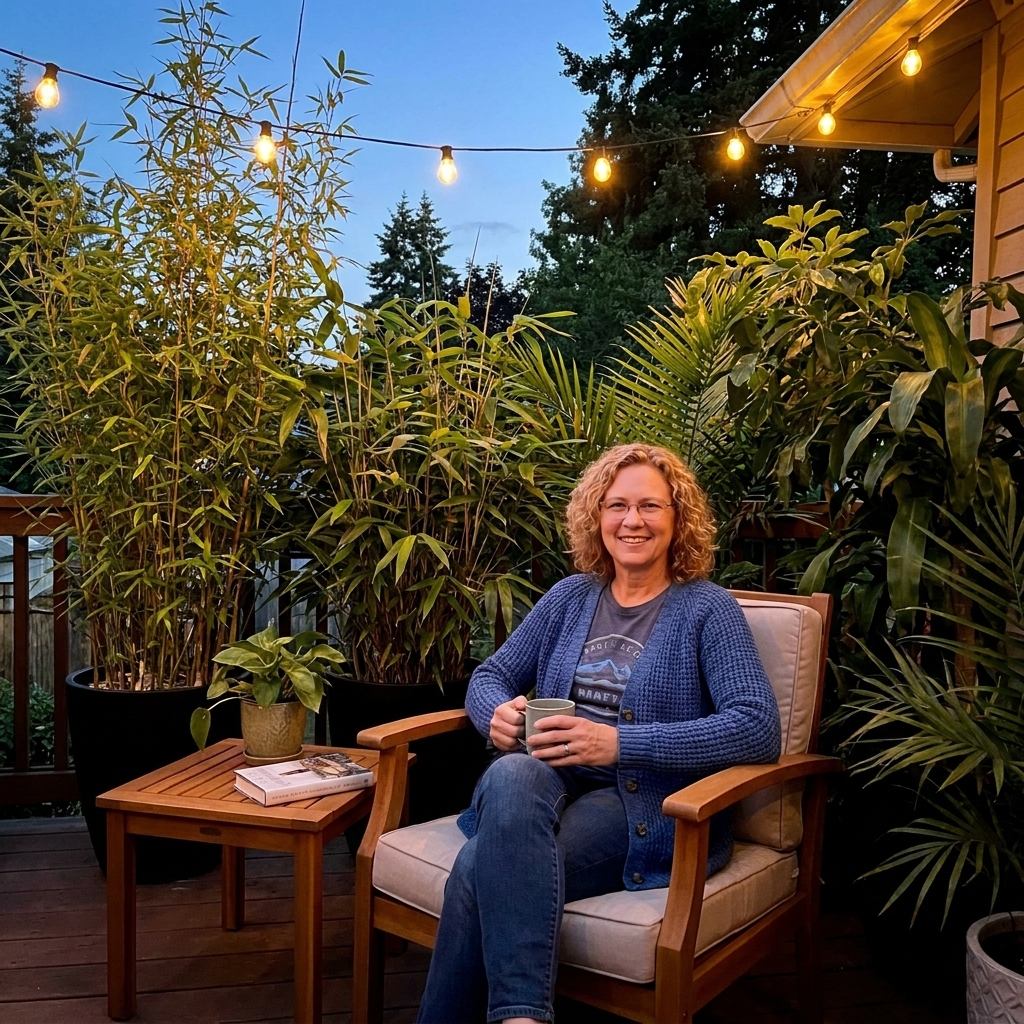
Clumping bamboo
If you want that “spa patio” vibe, clumping bamboo can be a great way to get lush, vertical privacy. Just keep expectations realistic: growth rate, winter performance, and ultimate height vary a lot by species and your climate, and containers usually slow things down a bit.
- Why it works: Tall, narrow footprint, dense canes and leaves.
- Container tips: Use a heavy, wide pot and keep soil evenly moist.
- Look for: Labeled clumping bamboo (not running) that is hardy for your area. For colder climates, many Fargesia types are commonly sold; in warmer areas, you may see Bambusa types that can get taller faster.
Ornamental grasses
Grasses are my secret weapon when I want privacy that doesn’t feel like a fortress. They blur the view, sway at sunset, and look polished even in simple pots.
- Top picks: Switchgrass, feather reed grass, fountain grass (choose varieties appropriate for your region).
- Why it works: Fast fill-in, tall plumes, very container-friendly.
- Local note: Some grasses, including certain fountain grass species and cultivars, are considered invasive or even restricted in parts of the US and elsewhere. It’s worth a quick check of local guidance before you buy.
- Season note: Many grasses are cut back seasonally, so they may not be evergreen where winters are cold.
Columnar evergreens
If you want privacy in every season, go evergreen. Narrow, upright shrubs can work beautifully in large containers, especially along a railing.
- Great options: Arborvitae varieties bred for narrow form, compact junipers, upright hollies (region dependent). A couple commonly available “look for” names in many areas include ‘Emerald Green’ arborvitae (often sold as a narrow option) and ‘Sky Pencil’ holly in milder climates, but always match to your zone and sun.
- Why it works: Dense coverage, steady structure.
- Pot reality check: Evergreens in containers need more root space and consistent watering, especially in heat and wind. Also keep pets and kids in mind: some evergreens and hollies can be irritating or toxic if chewed.
Privet and boxwood-style shrubs
If you love a tailored, “outdoor room” feel, shrubs you can lightly shape are wonderful in pots. They give that classic hedged effect without planting in-ground.
- Why it works: Dense foliage, responds well to pruning.
- Tip: Buy slightly larger plants for quicker coverage and keep them fed during the growing season.
- Local note: Privet is considered invasive in some regions. If you want the look without the baggage, ask your local nursery for a non-invasive alternative that behaves well in your area.
Banana plants
Banana plants are instant drama. In warm weather with regular water and feeding, their huge leaves can create fast summer privacy.
- Why it works: Big leaves create immediate screening.
- Watch-outs: Wind can shred leaves, so place them where they’re somewhat sheltered. In cooler or exposed conditions, they may stall instead of taking off.
- Seasonal note: In many climates, they’re a warm-season star, not a year-round screen.
Tall annuals
If you need privacy this weekend, annuals can do a lot of heavy lifting for one season. They’re also perfect for renters.
- Quick growers: Sunflowers (dwarf to tall types), castor bean (check local guidance, toxic), ornamental millet, tall cannas.
- Why it works: Rapid growth, big impact, easy to swap out next year.
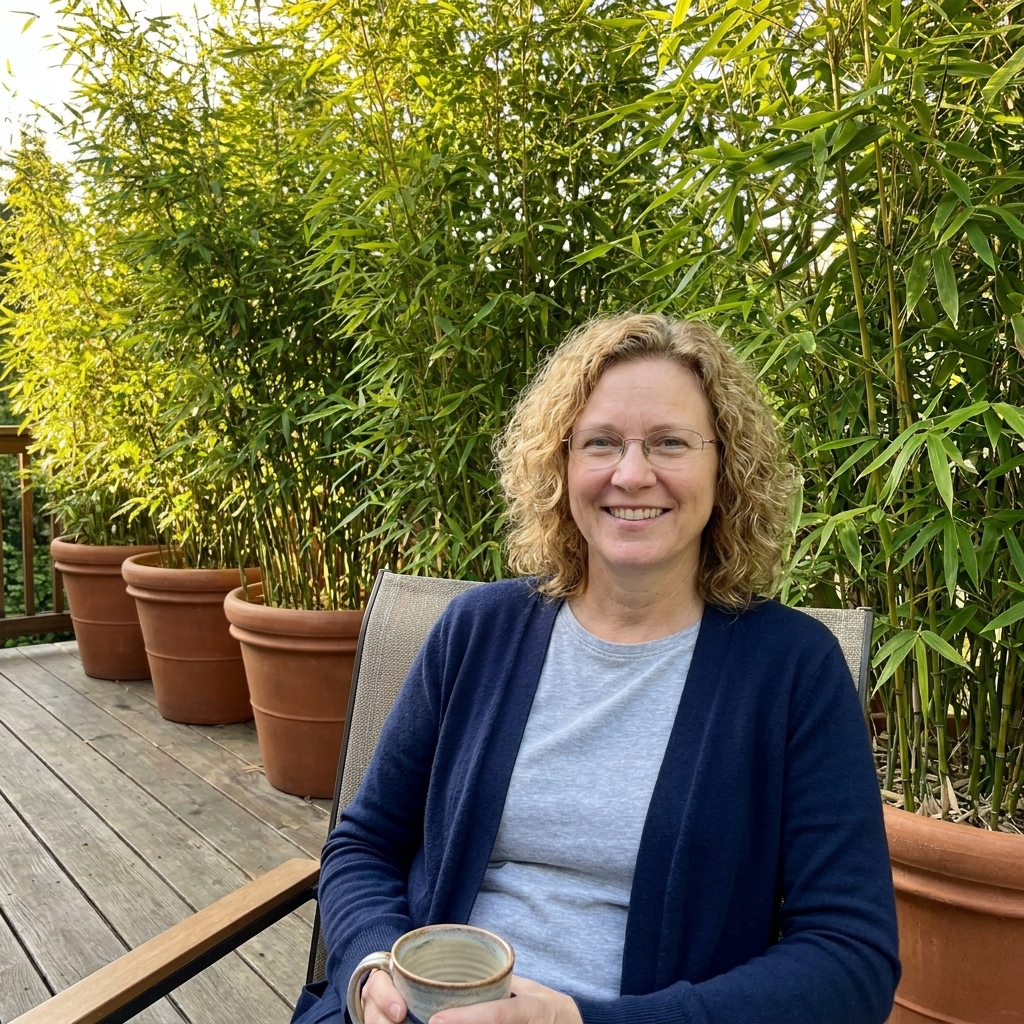
Pick stable pots
Most privacy screens fail for one boring reason: the pot is too small or too light. Tall plants in tiny containers dry out fast, tip in wind, and never reach their full height.
My container rules
- Go wider than you think: For tall plants, I prefer planters at least 16 to 22 inches wide, and often bigger for evergreens or bamboo.
- Weight matters: Fiberstone, thick resin, or glazed ceramic can look beautiful, but make sure it’s stable. For windy decks, I love heavy composite or thick-walled planters.
- Drainage is non-negotiable: Make sure there are drainage holes. If there aren’t, pick a different pot.
- Pot feet help: Lifting pots slightly improves drainage and helps prevent water stains on decking.
A quick safety check
Big planters get heavy fast, especially after a deep watering. If you’re on an older or elevated deck, it’s smart to confirm your deck can handle the load and to keep very heavy pots away from traffic paths, stairs, and any required egress.
Soil that supports growth
Use a quality potting mix, not garden soil. For tall privacy plants, I like a mix that holds moisture but still drains well. If your deck bakes in afternoon sun, moisture retention matters.
- Skip the rock layer: Putting rocks in the bottom “for drainage” usually does not help. What improves drainage is a pot with holes and a well-draining potting mix. A rock layer can leave less room for roots and can keep a saturated zone in the potting mix above it.
- Do fill the container with potting mix and use a saucer or tray only if you can keep it from staying waterlogged.
Layouts that block views
Think of your privacy screen like curtains. You need coverage where your eyes meet the sightline. Here are a few layouts I use all the time on decks and porches.
1) Straight-line hedge
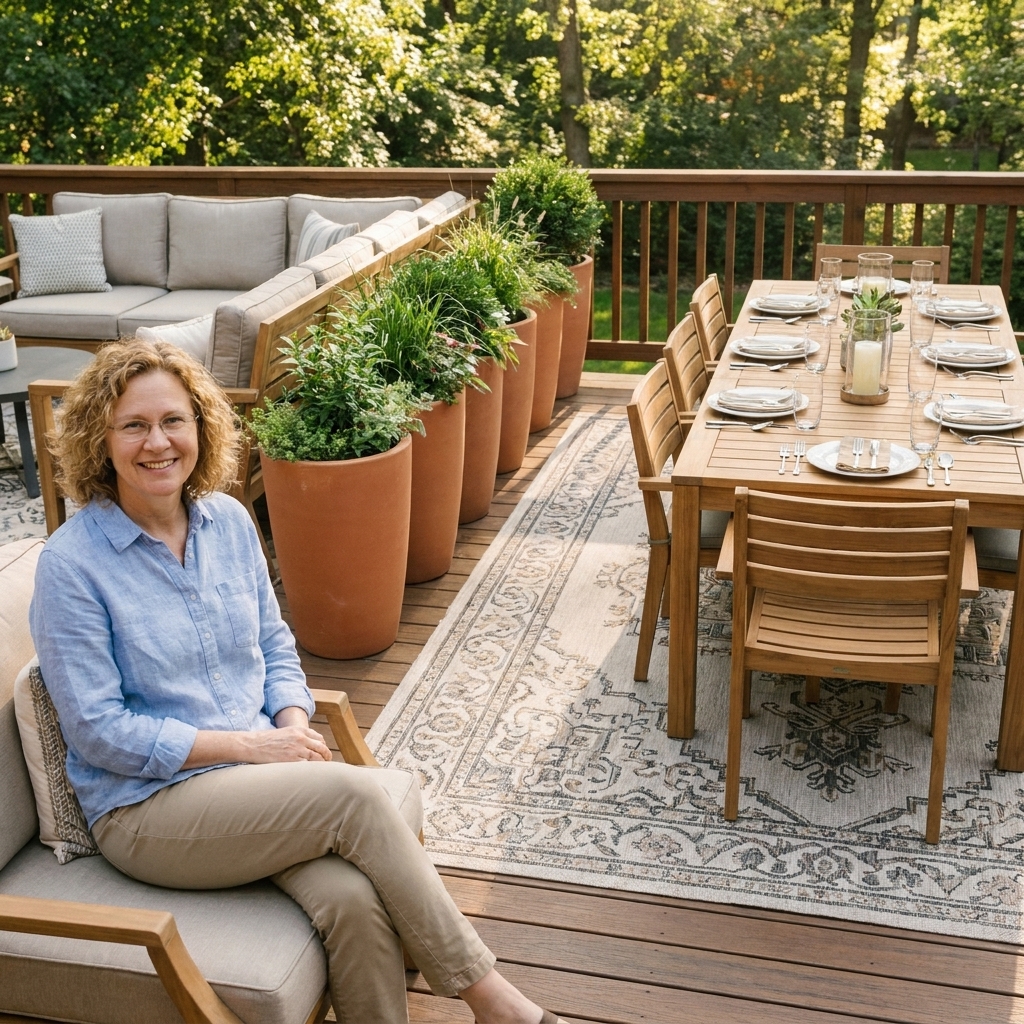
Line planters shoulder-to-shoulder along the problem edge. This works best with clumping bamboo, columnar evergreens, or grasses in matching pots.
- Best for: railing lines, shared fences, side-yard views.
- Tip: Leave a tiny gap between pots for airflow and easier watering access.
2) Staggered screen
Instead of a single row, use two rows in a zig-zag. This blocks sightlines better with fewer plants because gaps don’t line up.
- Best for: wide decks, corner seating areas.
- Tip: Put the tallest plants in the back row, medium height in front.
3) Corner wrap
If privacy is only an issue from one angle, concentrate plants in an L-shape around your seating. It creates that “outdoor room” feeling without lining the whole perimeter.
4) Layered look
This is how I get privacy that still feels styled. Use tall plants as the “wall,” then add one or two mid-height plants to soften the base.
- Tall layer: bamboo, grasses, narrow evergreens
- Mid layer: coleus, hydrangea (container-friendly varieties), rosemary topiaries, ferns (shade)
- Low layer: trailing sweet potato vine, creeping jenny, calibrachoa
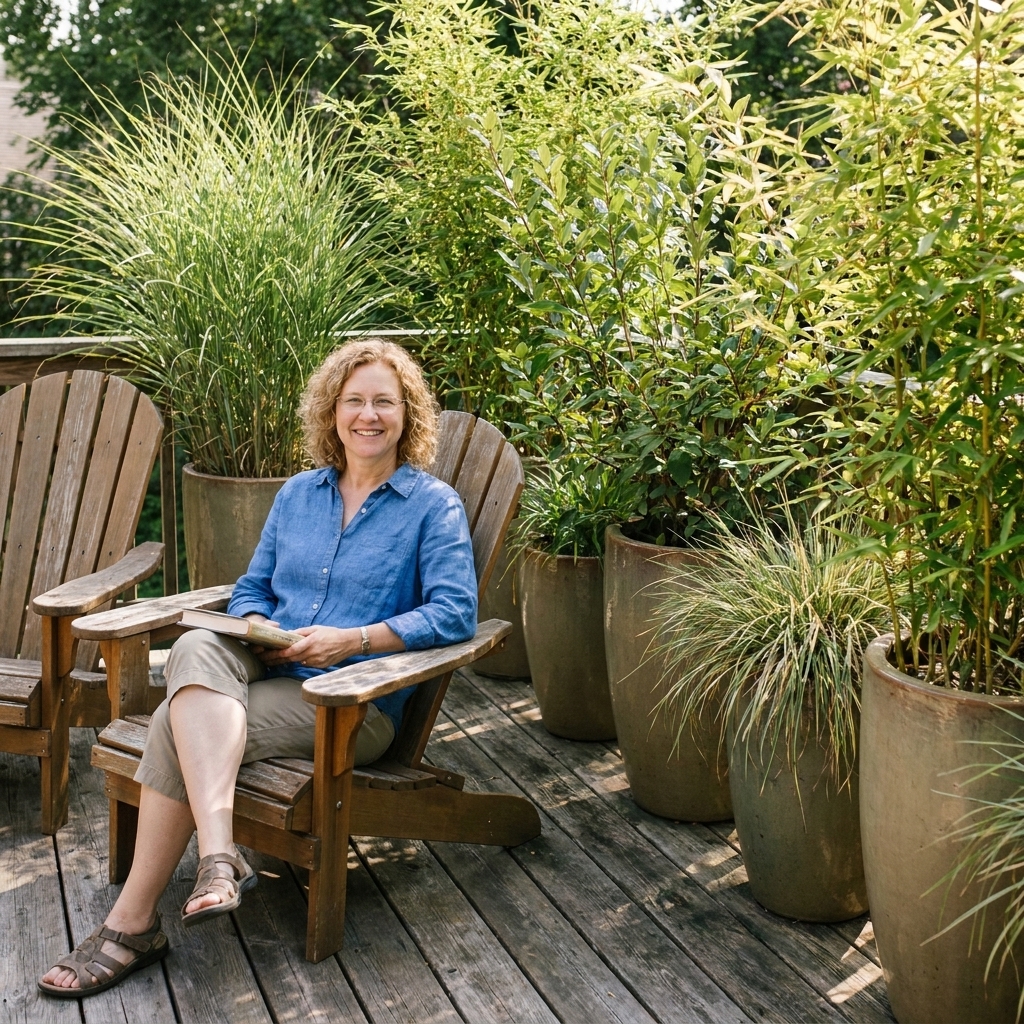
A simple 1-day setup
If you want a straightforward approach, here’s my “get it done” plan. It keeps the project from dragging on for weeks, which happens to the best of us.
- Measure your privacy line and decide on straight-line or staggered layout.
- Choose your plant type based on sun: grasses and many bamboos like sun, ferns prefer shade, evergreens vary by variety.
- Buy or gather matching pots for the tall layer first. Consistent pot style makes the screen look intentional.
- Place empty pots where you want them and sit down to check sightlines before planting.
- Pot up plants with fresh potting mix, water deeply, then top-dress with bark mulch to slow evaporation.
- Add mid and low layers only after the tall layer is positioned and doing the privacy job.
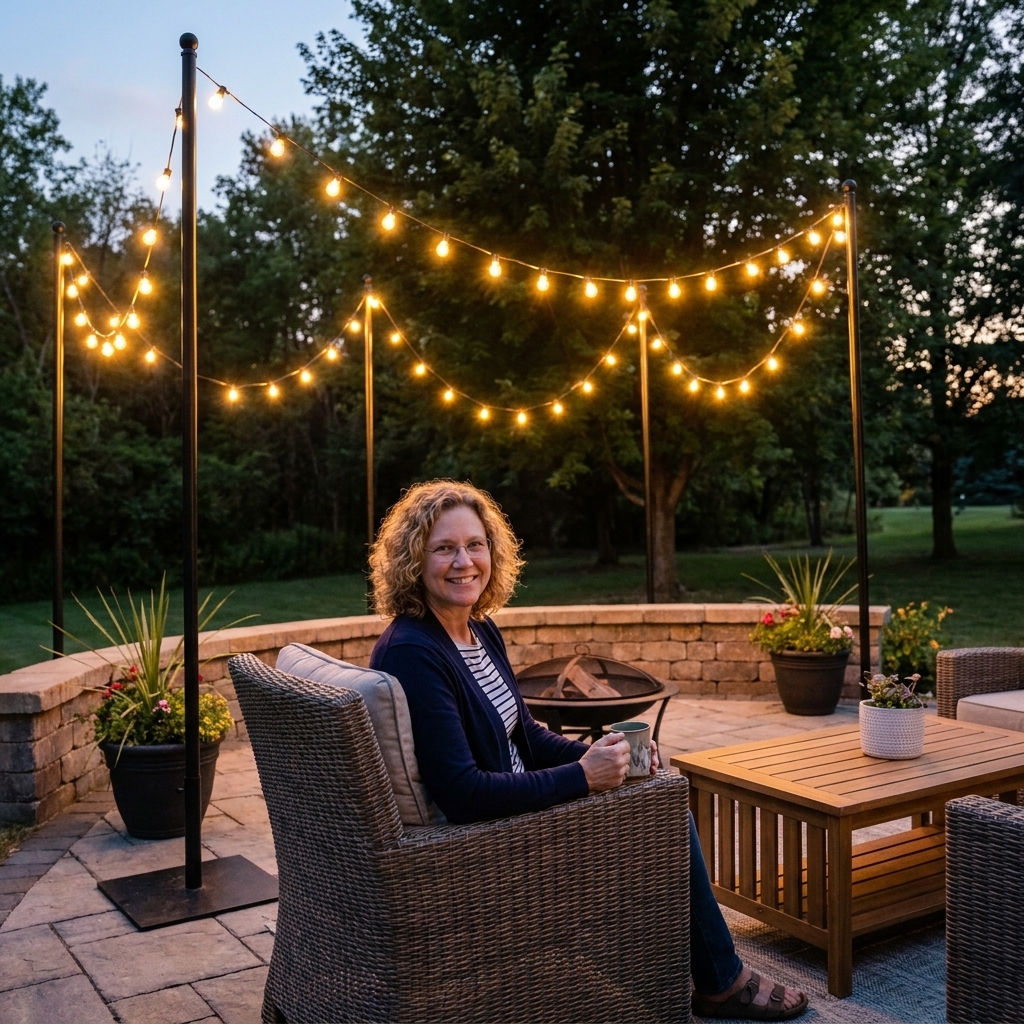
My little hospitality trick: once the plants are in place, add one warm light source (a lantern or a strand of bistro lights) behind or beside the greenery. At night, it turns your new green wall into the coziest backdrop.
Care for fast fill-in
Fast growth is mostly about consistent care, especially in containers where roots have limited real estate.
Watering
- Newly potted: Check daily for the first 1 to 2 weeks.
- Hot weather: Expect to water more often, especially for bamboo and big-leaf plants.
- Deep soak: Water until it runs out the bottom, not just a quick sprinkle.
Feeding
Container plants burn through nutrients faster than in-ground plantings.
- Easy option: A slow-release fertilizer at planting time, then a refresh mid-season for heavy growers.
- For lush foliage: A balanced fertilizer helps keep screens full and green.
Pruning and shaping
- Grasses: Comb out old blades or cut back seasonally if needed for your variety.
- Evergreens and shrubs: Light trims encourage fullness. Avoid hard pruning during extreme heat.
- Bamboo: Remove a few older canes at the base if you want a cleaner look and better airflow.
Wind-proofing
Decks can be wind tunnels. If your planters wobble, they will eventually topple.
- Choose wider planters and avoid very narrow, tall pots.
- Group pots so they shelter each other.
- If your deck allows it, place planters against a solid wall or sturdy railing section for added protection.
Zone and winter plan
If you live where it freezes, container privacy screens need one extra layer of realism: pots freeze faster than the ground. A good rule of thumb is to treat container plants as if they are about 1 to 2 hardiness zones less hardy than the same plant in the ground.
- Pick hardy plants: If you are on the edge of a plant’s hardiness range, it may struggle in a pot through winter.
- Move and group: Cluster pots together in the most sheltered spot you have, ideally near a house wall out of prevailing wind.
- Insulate the containers: Wrap pots with burlap, bubble wrap under burlap, or use a simple insulating cover so roots do not flash-freeze.
- Winter water matters: Evergreens can dry out in winter. Water during mild spells when the soil is not frozen.
Best picks by conditions
Full sun (6+ hours)
- Ornamental grasses
- Clumping bamboo (sun-tolerant types)
- Many evergreens and shrubs (variety dependent)
- Banana plants (warm season)
Part sun (3 to 6 hours)
- Select ornamental grasses
- Many shrubs and evergreens
- Some bamboos
Shade (under 3 hours)
- Tall ferns in large planters (great for soft screening)
- Shade-tolerant shrubs (variety dependent)
- Layer with shade annuals for fullness
If you’re unsure, take a photo of your deck at morning, midday, and late afternoon. Sun patterns on a deck can surprise you, especially under rooflines.
Common mistakes
- Buying for height only: A tall plant that’s sparse will not give privacy. Look for dense foliage and branching.
- Ignoring mature width: Some plants bulk up. Give them breathing room so they stay healthy and full.
- Using tiny planters: Small pots equal constant watering and slow growth.
- Planting running bamboo: Even in containers, it can become a headache if roots reach nearby soil or find a way out through drainage holes or cracks, especially when pots sit directly on the ground. Stick with clumping types.
- Forgetting winter plans: In cold climates, containers freeze faster than the ground. Choose hardy plants or have a plan to protect pots.
- Overlooking pets and kids: If little ones or curious chewers share your deck, double-check toxicity for your exact plant choices.
FAQ
How many plants do I need?
It depends on pot size and plant width, but a good starting point is placing planters so the foliage will touch or slightly overlap once filled in. For a tighter screen, go closer together. For a softer look, leave small gaps and stagger.
What is the fastest option?
In many climates, clumping bamboo and ornamental grasses are among the fastest dependable choices in containers, but cultivar, zone, and container size make a big difference. For one-season speed, tall annuals can give near-instant coverage.
Can I do this on a windy deck?
Yes. Prioritize heavy, wide planters, choose sturdy plants (many grasses do well), and avoid narrow pots that tip easily. Grouping pots helps reduce wind exposure.
How do I prevent stains on decking?
Use pot feet or risers so water can drain freely and air can circulate underneath. If you use saucers, empty them after watering so wood does not sit wet.
My favorite finishing touch
Once your green screen is up, add one cozy layer: a slim outdoor console table, a candle lantern, or a little cluster of herb pots in front. Privacy is wonderful, but privacy that feels welcoming is the sweet spot. That’s when a deck stops feeling exposed and starts feeling like your own outdoor living room.