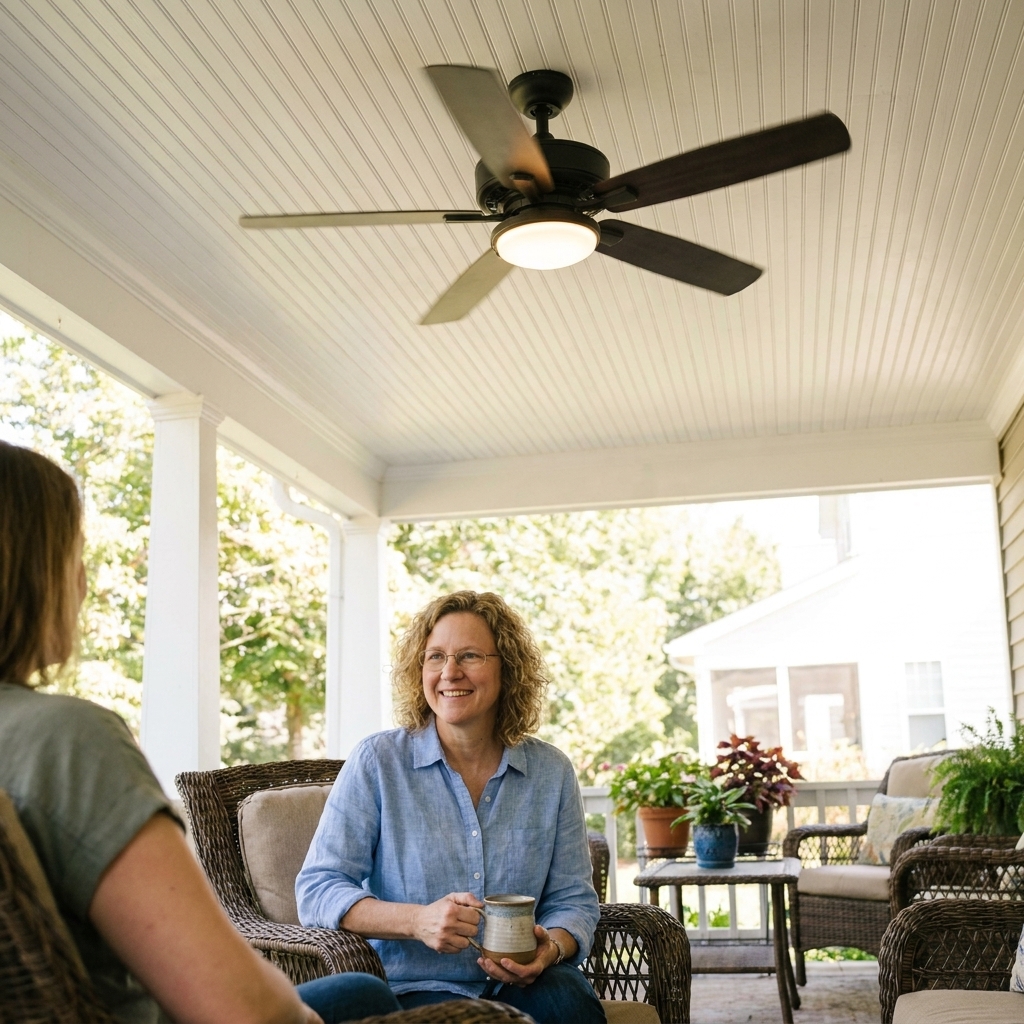
If your patio is perfect until the mosquitoes show up, you are in very good company. I love a plant-forward porch, but I also love sitting down without immediately becoming the neighborhood buffet. The good news is there are potted plants with mosquito-repellent compounds. The tricky part is using them in a way that actually makes a difference where you lounge.
Here is the honest takeaway: many “mosquito-repellent plants” contain volatile oils (like citronellal, geraniol, eugenol, and linalool) that insects dislike. Those oils have to be released into the air near you to help. A pot of herbs across the patio can smell lovely and still do basically nothing for bites. Also, the real-world evidence for intact, living plants reducing bites is mixed. Compared with formulated repellents, plants are usually a modest, close-range assist.
Before you buy
Potted plants can be a helpful layer, especially in a small, cozy seating zone like a front porch or apartment balcony. But they are not a force field.
- They help most in close range. Think within about an arm’s length of your chairs, not at the far edge of the deck.
- They work best when “activated.” Brushing the leaves, pruning, or harvesting releases more aroma. For some plants, lightly crushing a leaf and rubbing it on clothing (not skin, unless you know you tolerate it) can boost the effect.
- Wind matters. Breezy patios dilute scent quickly. In windy spots, lean on other layers too: a fan, eliminating standing water, and targeted repellents.
- They are supplemental, not medical prevention. If mosquito-borne illness is a concern where you live, follow local public health guidance and use EPA-registered repellents as needed, especially at peak bite times like dusk and dawn.
Best mosquito-repellent plants for pots
These are the plants I reach for first because their chemistry is well-studied or they are common sources of insect-repellent essential oils. I am focusing on options that do well in containers and can live right in your seating area.
1) Lemongrass (Cymbopogon citratus)
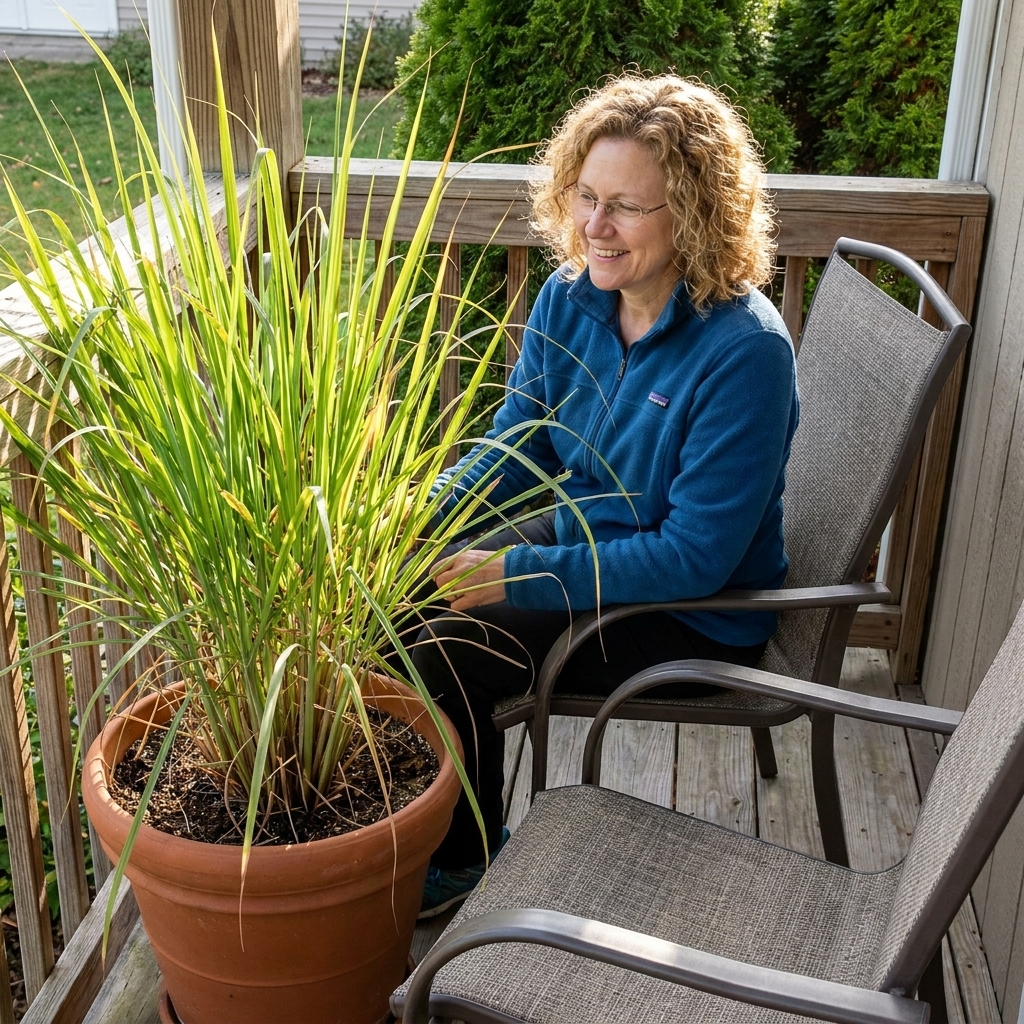
Why it helps: Lemongrass is intensely aromatic, with oils rich in citral (geranial and neral). In the same Cymbopogon family, other species are used to produce citronella oil. In plain terms: it is a big, fragrant grass that can contribute to a “scent zone” when it is close by.
- Best use: A large pot near the seating edge, where you will brush against it walking in and out.
- Container notes: Give it a roomy pot and regular water. It likes sun and warmth.
- Activation tip: Snip a few blades and tuck them into a small bud vase on the table for extra fragrance right where you sit.
2) Citronella geranium (often sold as “mosquito plant,” Pelargonium graveolens types)
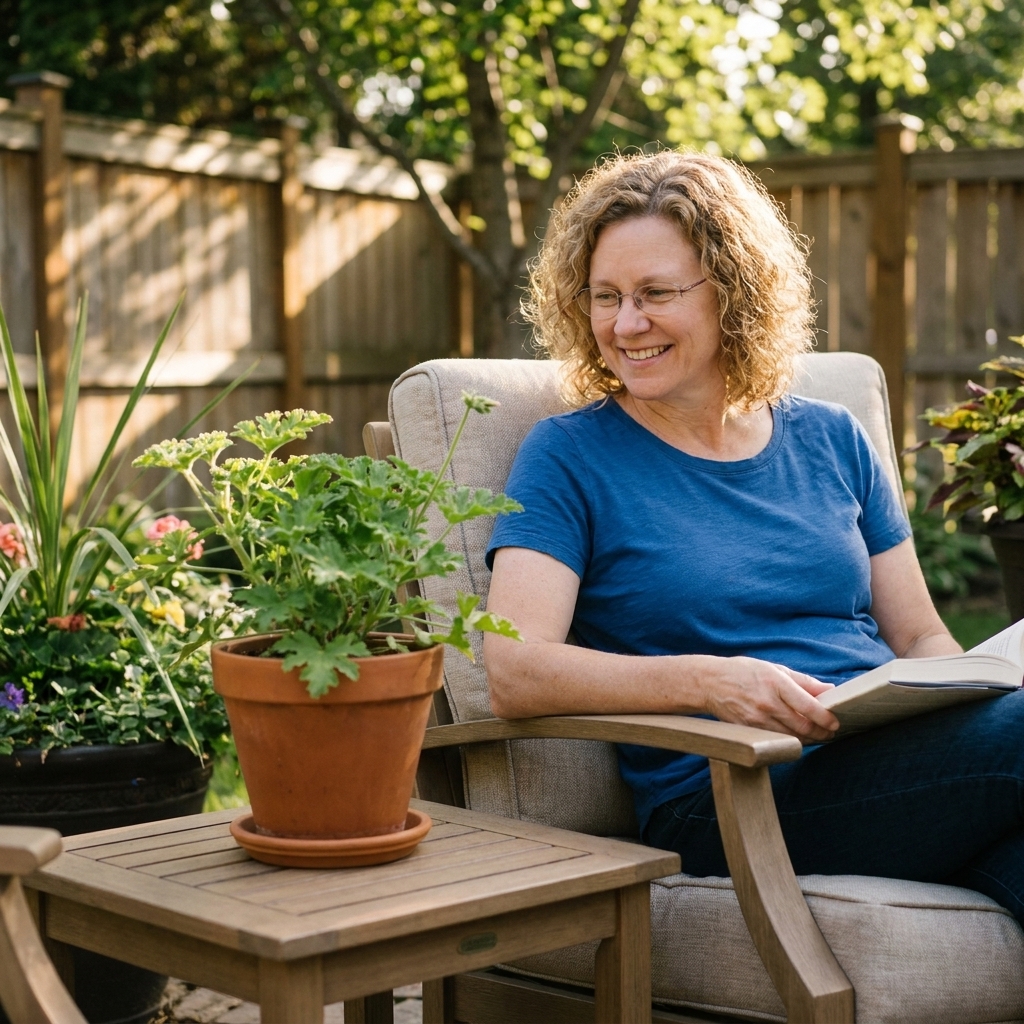
Why it helps: Many scented geraniums produce citronellol and geraniol, aromatic compounds that can deter insects. The plant’s scent is strongest when leaves are touched.
- Best use: One pot on each side of a loveseat or two chairs, like living, fragrant bookends.
- Container notes: Likes sun and good drainage. Do not let it sit soggy.
- Activation tip: Gently rub a leaf between your fingers, then bring your hands near your ankles and knees for a moment (bites love the lower half of your body).
3) Basil (Ocimum basilicum)
Why it helps: Basil essential oils (including linalool and eugenol in some varieties) have shown repellent and insecticidal activity in lab studies. Outdoors, a single pot is not going to transform mosquito season, but basil is wonderfully easy to “activate” because you are always pinching it back.
- Best use: A pot right on the coffee table or side table so you can pinch leaves while you chat.
- Container notes: Sun, consistent watering, and regular harvesting keep it bushy.
- Activation tip: Make it part of your routine: pinch, smell, and toss a sprig in your drink or on your snack board.
4) Mint (Mentha spp.)
Why it helps: Mint is strongly aromatic, and compounds like menthol have shown insect-repellent activity in some studies. The scent releases easily when disturbed, which is exactly what you want on a porch.
- Best use: A sturdy pot near chair legs or the steps, anywhere it gets bumped slightly.
- Container notes: Always pot mint. It spreads aggressively in beds.
- Activation tip: Crush a few leaves and place them in a small dish near your seating area for a short-term scent boost.
5) Rosemary (Salvia rosmarinus)
Why it helps: Rosemary contains 1,8-cineole and camphor-like compounds used in insect-repellent contexts. It also tolerates heat well, which is peak mosquito season.
- Best use: In pots near the sunny perimeter of your seating zone.
- Container notes: Likes to dry a bit between waterings and needs good drainage.
- Activation tip: Trim a small handful of stems and lay them on the table. The resinous fragrance is surprisingly noticeable up close.
6) Lavender (Lavandula spp.)
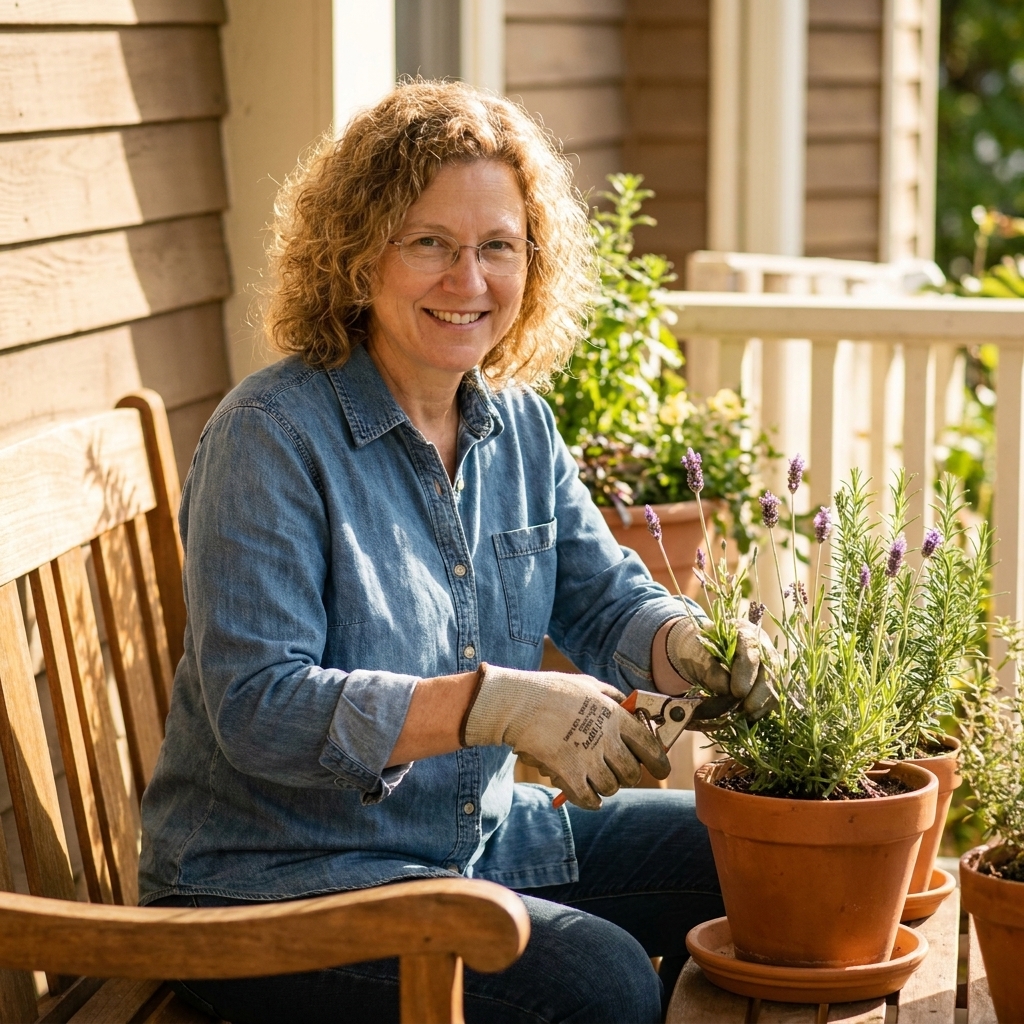
Why it helps: Lavender oil components (like linalool) are widely studied for insect-repellent properties. It is not a miracle worker outdoors, but it is a pleasant, practical layer.
- Best use: Pots positioned behind seating, where warmth and sun help volatilize aroma.
- Container notes: Needs sun, airflow, and fast-draining soil. Overwatering is the quickest way to lose it.
- Activation tip: Brush your hand over the flower spikes as you sit down.
7) Catnip (Nepeta cataria) or ornamental nepeta
Why it helps: Catnip contains nepetalactone, which has shown strong mosquito-repellent potential in research settings. Outdoors, results vary with wind and distance, but it is worth considering in containers close to seating.
- Best use: A pot near a sitting wall or railing where it will be in your scent zone.
- Container notes: Easy, sun tolerant, and forgiving.
- Reality check: If neighborhood cats visit your porch, you may be inviting a little audience.
Placement that helps
If you only change one thing, change where you put the pots. I aim for a gentle “scent ring” around the seating area, not a random row of plants along the railing.
My go-to layout
- One pot per person, minimum. For two chairs and a small table, that often means 2 to 4 fragrant pots.
- Keep the strongest plants closest. Put basil, mint, and citronella geranium within arm’s reach.
- Use taller plants as soft screens. Lemongrass and rosemary work nicely at the corners of a seating zone, so you are surrounded without blocking the view.
- Do not block airflow completely. You want aroma near you, but stagnant air invites mosquitoes to linger. Leave breathing room under and between pots.
Porch and balcony shortcut
Line two to three medium pots along the outer edge of the porch, and keep one small “pinch pot” (basil or mint) right on your side table. That little table plant is the one you will actually touch and activate.

How to activate plants
A healthy plant sitting still is mainly decor. A healthy plant that gets handled a bit becomes a fragrant tool.
- Pinch and prune regularly. Basil and mint love it, and you get more scent immediately.
- Brush as you pass. Place a pot where you naturally graze it walking by.
- Make a tiny herb dish. Crush a few leaves (mint, basil, rosemary) and set them in a shallow dish on the table for 20 to 30 minutes while you are outside.
- Pair with airflow. A small patio fan can make you feel dramatically better. Mosquitoes are weak fliers, and moving air reduces landings and helps disrupt the human scent cues they track.
My porch routine in July: refill drinks, pinch basil, brush the geranium leaves once, turn on a small fan, and then settle in. It is not fancy, it just stacks the odds in your favor.
Plants that need a reality check
I am not here to rain on anyone’s patio parade. I just want your money to go toward plants that earn their keep.
Marigolds
Marigolds are wonderful container plants and can help deter some garden pests. For mosquitoes around seating, they are usually not strong enough to rely on unless you have many of them very close by.
Citronella candles vs citronella plants
Citronella candles can help in still air and close range, though performance varies widely by formulation and conditions. The “mosquito plant” (citronella geranium) is not the same as citronella grass (Cymbopogon nardus or Cymbopogon winterianus). It can still be useful, but it works best when touched and placed close.
Eucalyptus in a pot
Eucalyptus oil is a well-known repellent ingredient, but growing eucalyptus as a patio container plant is not easy in many climates and it is not a quick fix for bites. If you love the look, treat it as decor first and mosquito strategy second.
Container care tips
Stressed plants get leggy, dry, and less aromatic. These quick container habits keep your mosquito-repellent lineup lush.
- Use potting mix, not garden soil. Potting mix drains better and keeps roots healthier.
- Prioritize drainage. One hole is good. Several holes are better.
- Water in the morning. Less mildew, less stress during heat.
- Feed lightly. A balanced container fertilizer every few weeks in peak summer helps herbs keep pushing new growth.
- Do not create mosquito habitat. Empty saucers after watering so water does not sit. Refresh water in any decorative features frequently.
Pet and kid safety
Most culinary herbs are fairly family-friendly, but concentrated essential oils and plant chewing are different situations.
- Skip essential oil diffusing outdoors around pets. Essential oils can irritate sensitive noses and some are not safe for cats and dogs.
- Place mint and rosemary out of reach if you have a determined plant-nibbler.
- Citronella geranium may cause stomach upset if pets ingest it. If your dog samples everything, keep it higher up. If you are concerned about ingestion, check a reputable poison-control resource or call your vet.
- If you are pregnant, have asthma, or are scent-sensitive, keep aromatic plants slightly farther back and rely more on airflow and physical barriers like screens.
Quick shopping list
If you want a straightforward starting point, this mix covers strong fragrance, easy care, and good looks near seating.
- 1 large pot: Lemongrass (corner of seating area)
- 2 medium pots: Citronella geranium (one on each side of seating)
- 1 small pot: Basil (on the table for easy pinching)
- Optional: Mint in a separate pot near steps, plus a rosemary pot on the sunny edge
Layer it with a small fan and a quick scan for standing water, and you have a patio that feels like a retreat again.
FAQ
Do mosquito-repellent plants really work?
They can help in close range because they contain aromatic compounds mosquitoes dislike. But outdoors, wind and distance reduce effectiveness fast, and studies on whole plants show mixed results. Think of them as one useful layer, not the only solution.
How many pots do I need near my seating area?
For a typical two-chair setup, I aim for 2 to 4 fragrant pots placed within arm’s reach plus one larger pot at a corner. More matters more than you think because scent outdoors disperses quickly.
What is the best plant to put right next to a chair?
Basil or citronella geranium, because you can touch the leaves easily to release fragrance while you sit.
What should I avoid if mosquitoes are bad on my porch?
Avoid letting water sit in saucers or decor. Even small amounts can become breeding sites. Also avoid placing your “repellent” plants far away from seating, where they mostly become background landscaping.