My front porch growing up was basically our living room, which meant our furniture had to survive everything: blazing afternoon sun, surprise rain, and the occasional spilled sweet tea. The good news is you do not need “fancy resort patio” money to keep outdoor furniture looking great. You just need the right protection in the right places.
Below is my tried-and-true system for weatherproofing outdoor furniture from sun and rain. We will clean and prep first, then pick sealants by material, then talk covers and storage that actually work.
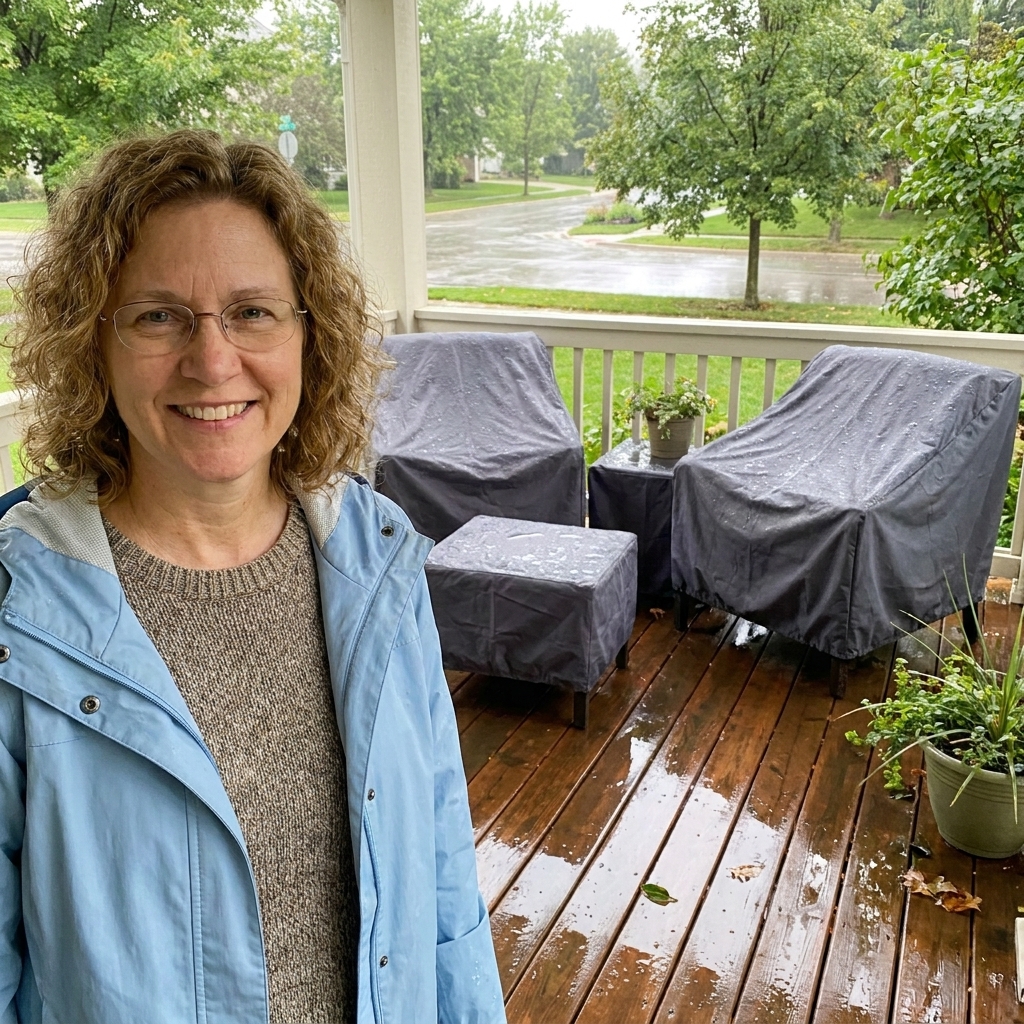
Start with the why
Once you understand what is damaging your pieces, it is much easier to choose the right fix.
- Sun (UV) fades fabric, dulls paint, dries wood, and can make some plastics brittle over time.
- Rain swells and warps wood, causes metal rust, seeps into cushion foam, and invites mildew.
- Humidity is sneaky. Even without “rain,” moisture in the air can keep cushions damp and encourage mold.
- Temperature swings expand and contract materials, which can crack finishes and loosen joints.
Our goal is simple: block UV, shed water, and let trapped moisture escape before it turns into mildew.
Step 1: Clean and prep
I know it is tempting to jump straight to the spray can or the sealant brush. But finishes do not bond well to dirt, chalky oxidation, sunscreen smudges, or old peeling varnish. Take 30 to 60 minutes to prep for most small sets (or per piece if it is heavily weathered), and you will get months or years more life out of the work.
Quick prep checklist
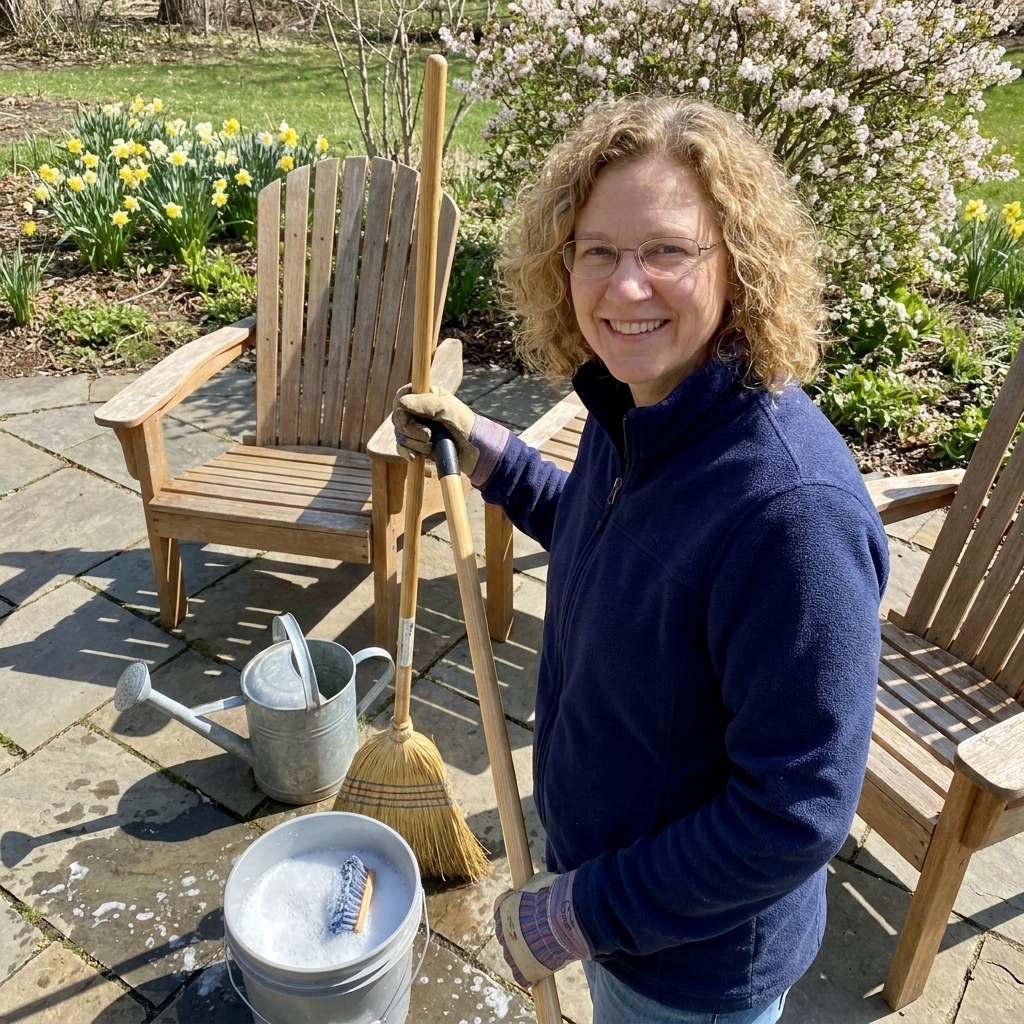
- Rinse and wash. Use mild dish soap and warm water with a soft brush or microfiber cloth. For textured resin wicker, a soft detailing brush is perfect for the grooves.
- Treat mildew. If you see black spots or smell that “basement” scent, a mix of 1 cup white vinegar + 1 gallon water can help with light mildew. Let it sit about 10 minutes, then scrub and rinse. For stubborn growth, use an oxygen-bleach based cleaner or a dedicated outdoor mildew remover, following the label. Always spot test first, ventilate the area, and never mix cleaners (especially anything containing bleach and ammonia).
- Skip vinegar on certain surfaces. Avoid vinegar on natural stone tabletops and use caution on uncoated or delicate metals. It can dull or etch some finishes. If you are not sure, spot test in an inconspicuous area first.
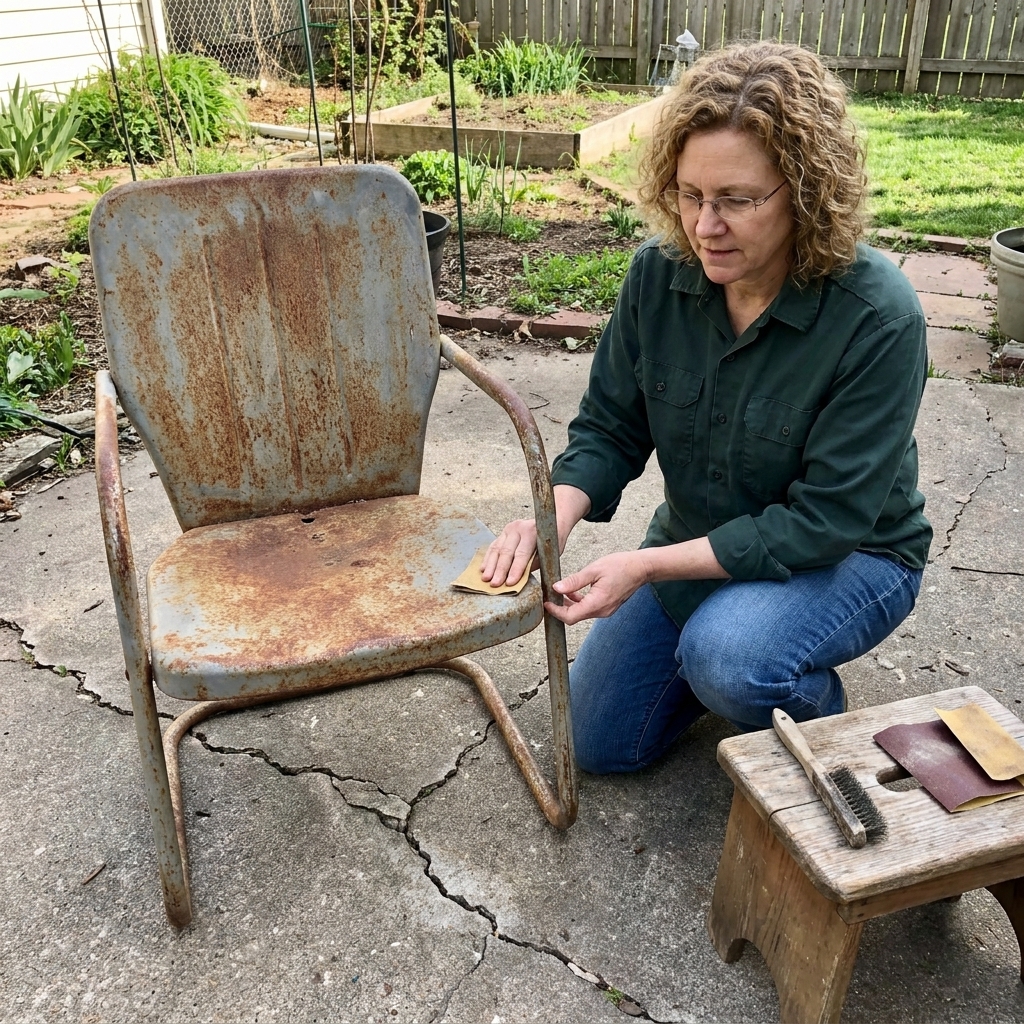
- Remove rust. On steel or iron, sand rust down to clean metal with 80 to 120 grit sandpaper or a wire brush.
- Scuff glossy finishes. If you are re-sealing or repainting, lightly scuff with 180 to 220 grit so the new coat grips.
- Let everything dry completely. This is big. Sealing in moisture leads to peeling finishes and mildew under cushions.
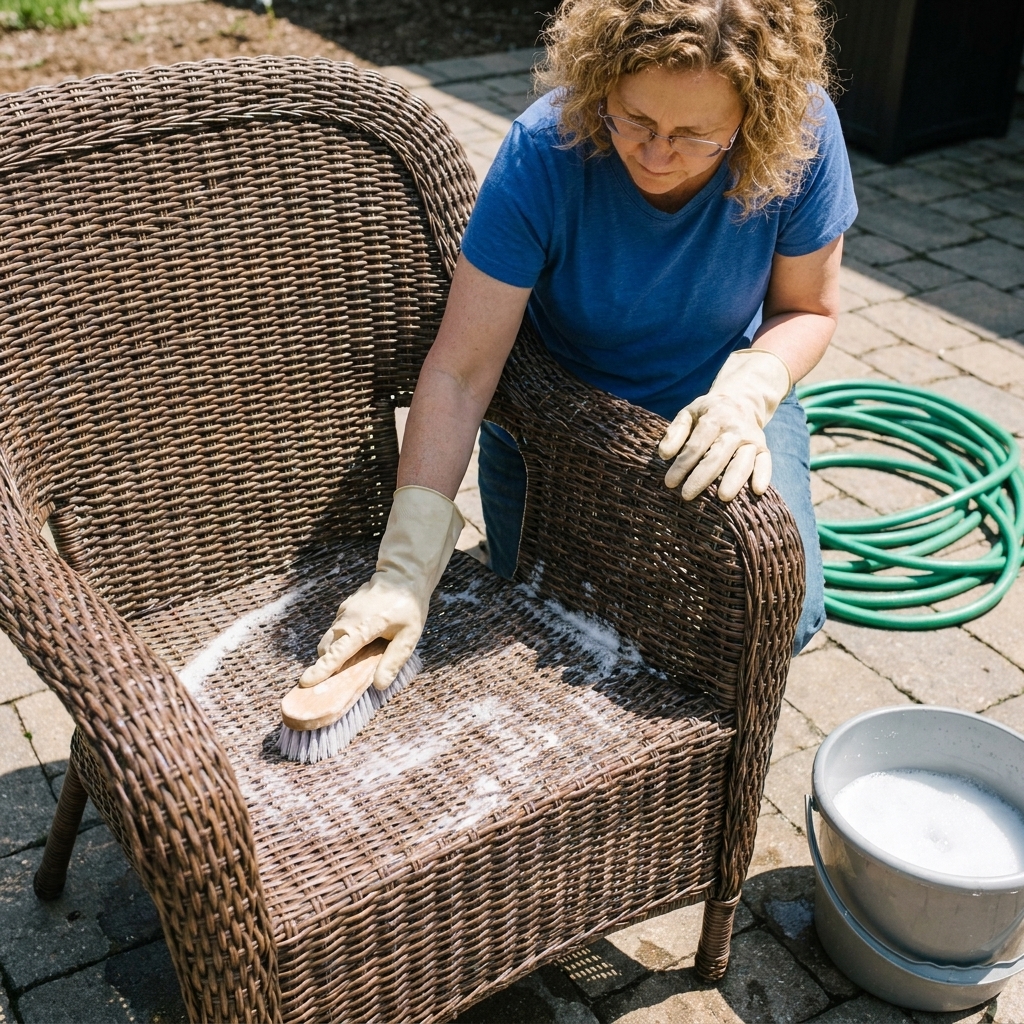
Step 2: Protect by material
Outdoor furniture is a mix-and-match world. You might have a wood table, aluminum chairs, and a steel side table all on the same porch. Protect each piece for what it is made of, not what it looks like from ten feet away.
Wood furniture
Wood is warm and charming, but it needs a plan. Your two main choices are penetrating oils (soak in) or film finishes (sit on top).
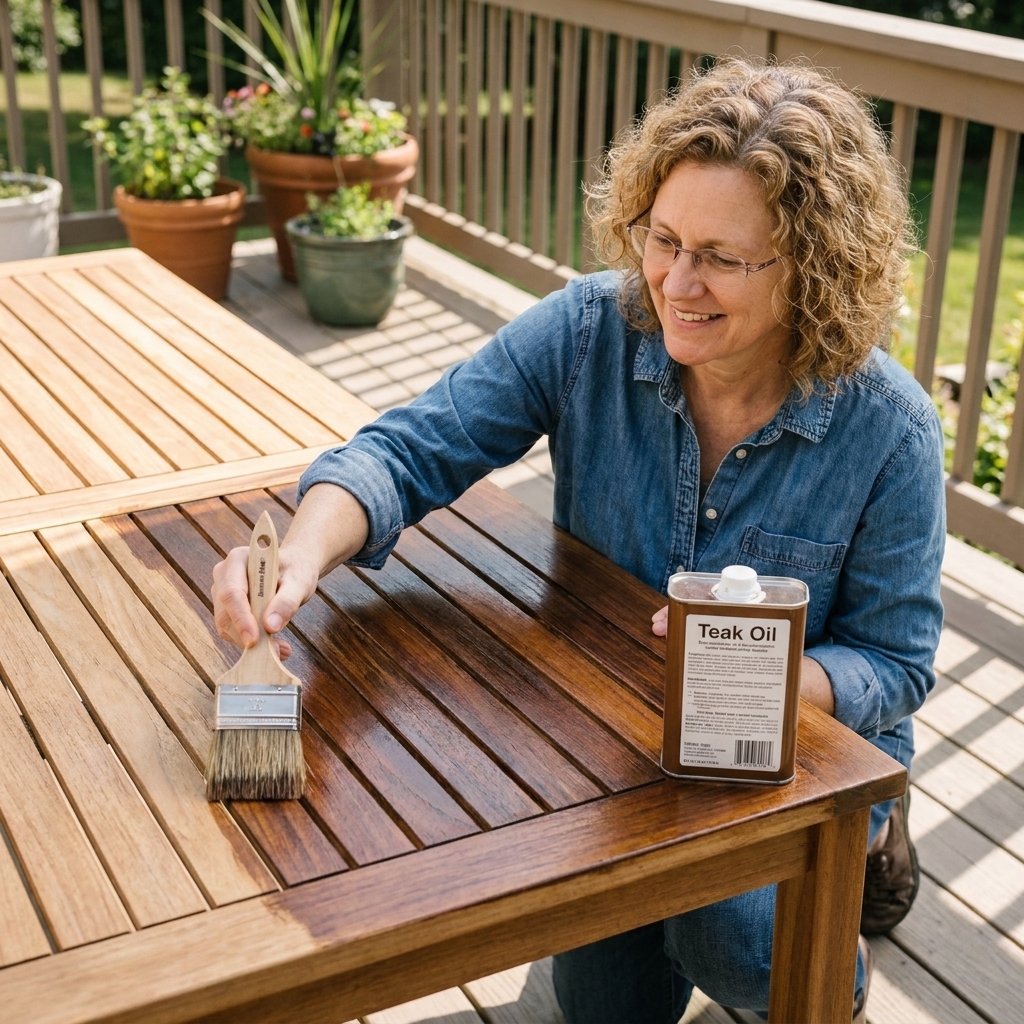
- For a natural look: Use an exterior-rated penetrating oil made for hardwoods. Many “teak oils” are actually wiping blends, so look for something labeled for exterior hardwood use. Oils help shed water and reduce drying and cracking, but you will reapply more often.
- For maximum rain protection: Use a marine-grade spar urethane or exterior varnish. It creates a stronger barrier, but if it chips, water can sneak under and cause peeling. Maintenance is key.
How to seal wood
- Clean, lightly sand, and remove dust.
- Choose your day: dry weather, moderate temps, low humidity.
- Apply thin, even coats following the product instructions.
- Let it cure fully before adding cushions or decor back on top.
Maggie tip: If your wood sits in harsh sun, consider letting teak and some hardwoods weather naturally to a silvery tone, then simply clean and protect with oil as needed. It is forgiving and porch-friendly.
One more safety note: Rags used with oil finishes can self-heat and, in rare cases, ignite. Lay them flat to dry outdoors away from anything flammable, then dispose of them the way your local waste rules recommend.
Metal furniture
Metal is all about rust prevention and protecting the finish.
- Aluminum does not rust like steel, but it can oxidize and get chalky. A gentle scrub and a coat of automotive wax is usually the safest first step to keep it looking fresh. Use a clear coat only if the manufacturer recommends it and you prep properly, especially on powder-coated finishes where adhesion matters.
- Steel and wrought iron will rust if bare metal is exposed. Once rust starts, it spreads under paint.
How to stop and prevent rust
- Sand rust to clean metal and feather the edges of the surrounding paint.
- Wipe dust away and let dry.
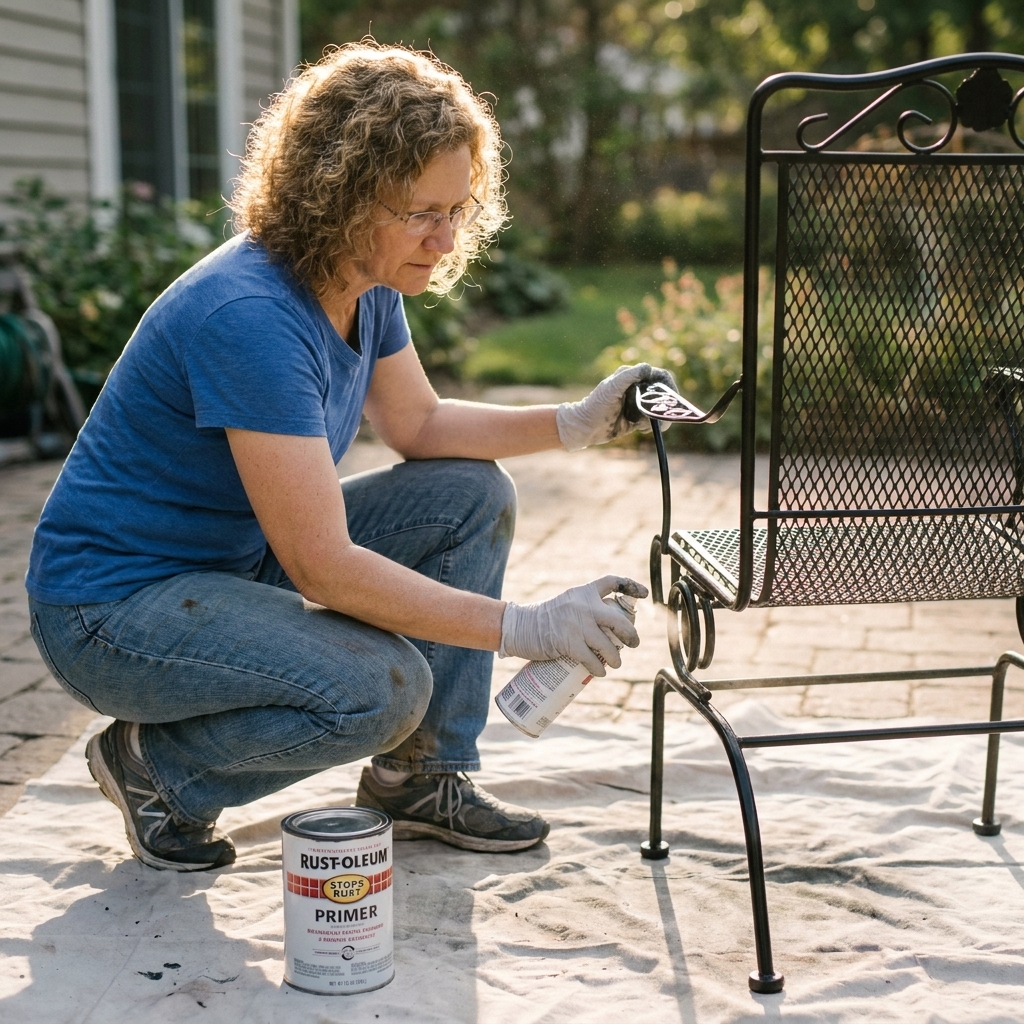
- Prime any bare metal with a rust-inhibiting primer.
- Topcoat with exterior enamel paint (spray works great for intricate iron details).
- For extra durability, add a clear exterior topcoat once paint is fully cured, but only if it is compatible with your primer and paint system. Mismatched clears can wrinkle, peel, or stay tacky.
Maggie tip: Put plastic or rubber furniture feet on metal legs if they sit on concrete. Standing water on a porch slab loves to collect right under metal feet, and that is where rust blooms first.
Resin wicker and plastic
These materials are low-maintenance, but sun is their enemy. UV exposure can fade color and make cheaper plastics brittle.
- Wash gently, avoid harsh solvents, and rinse well.
- Use a UV protectant spray designed for plastics if your pieces sit in direct sun.
- In extreme heat and full sun, prioritize shade, UV-rated covers, and venting. A dark cover with no airflow can turn into a little oven.
Maggie tip: If your resin wicker is getting fuzzy or rough, that is often UV wear. Covers and shade become more important than adding more product at that point.
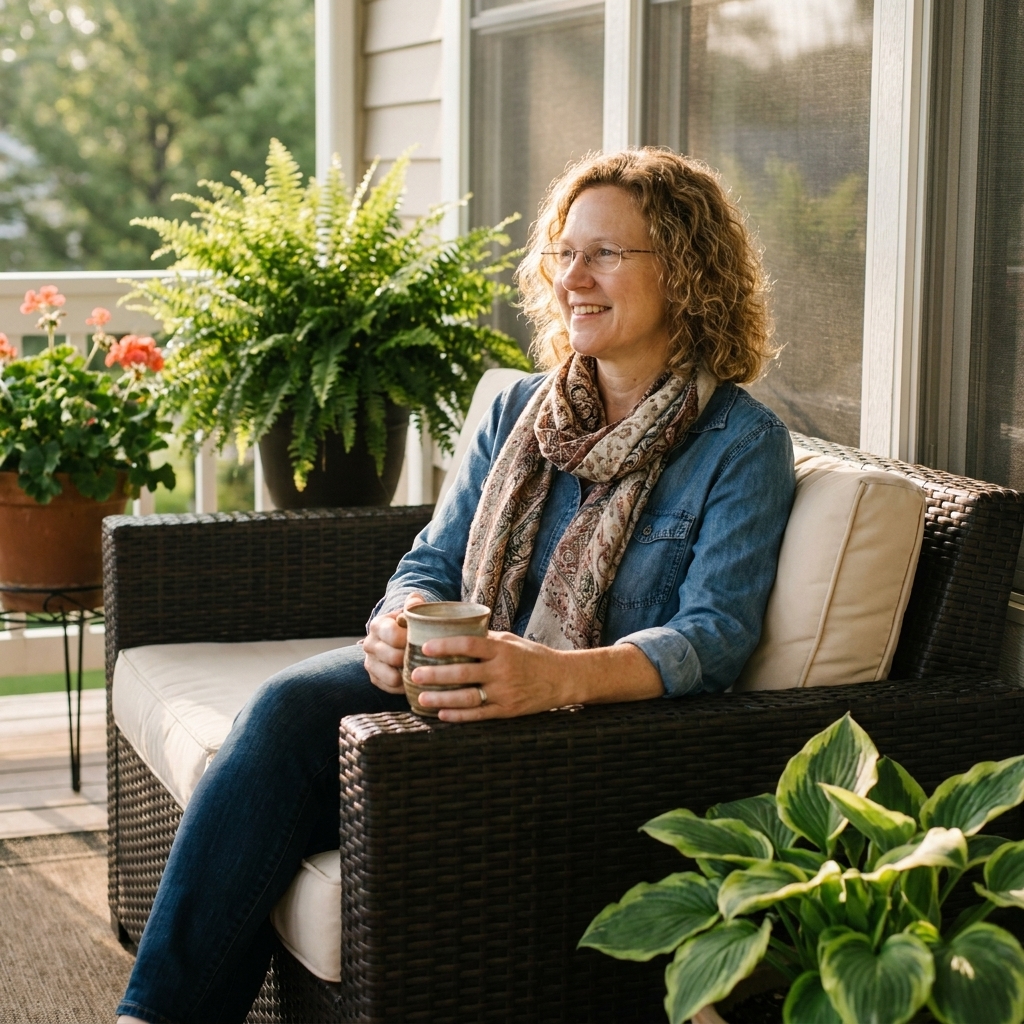
Outdoor fabrics and cushions
Even “outdoor” cushions can fade or grow mildew if they stay damp. The goal is to keep water from soaking in and to help cushions dry quickly when they do get wet.
- Use a fabric water and stain repellent (check that it is safe for your fabric type). Apply outdoors, evenly, and let it cure fully.
- Rotate and flip cushions weekly in high sun to reduce uneven fading.
- Upgrade the inserts if yours stay soggy: quick-dry foam or inserts wrapped in a water-resistant, breathable liner can make a huge difference. Avoid anything airtight, because if moisture gets in, it needs a way back out.
How to protect cushions
- Wash covers or spot clean and let dry completely.
- Spray fabric protectant in light coats until evenly damp, not dripping.
- Let cure the full recommended time before using.
- After heavy rain, stand cushions on their sides to drain and dry faster.
Quick safety note: When spraying protectants, primers, or paint, work in open air, wear gloves and eye protection, and keep the mist off plants, grills, and pet areas.
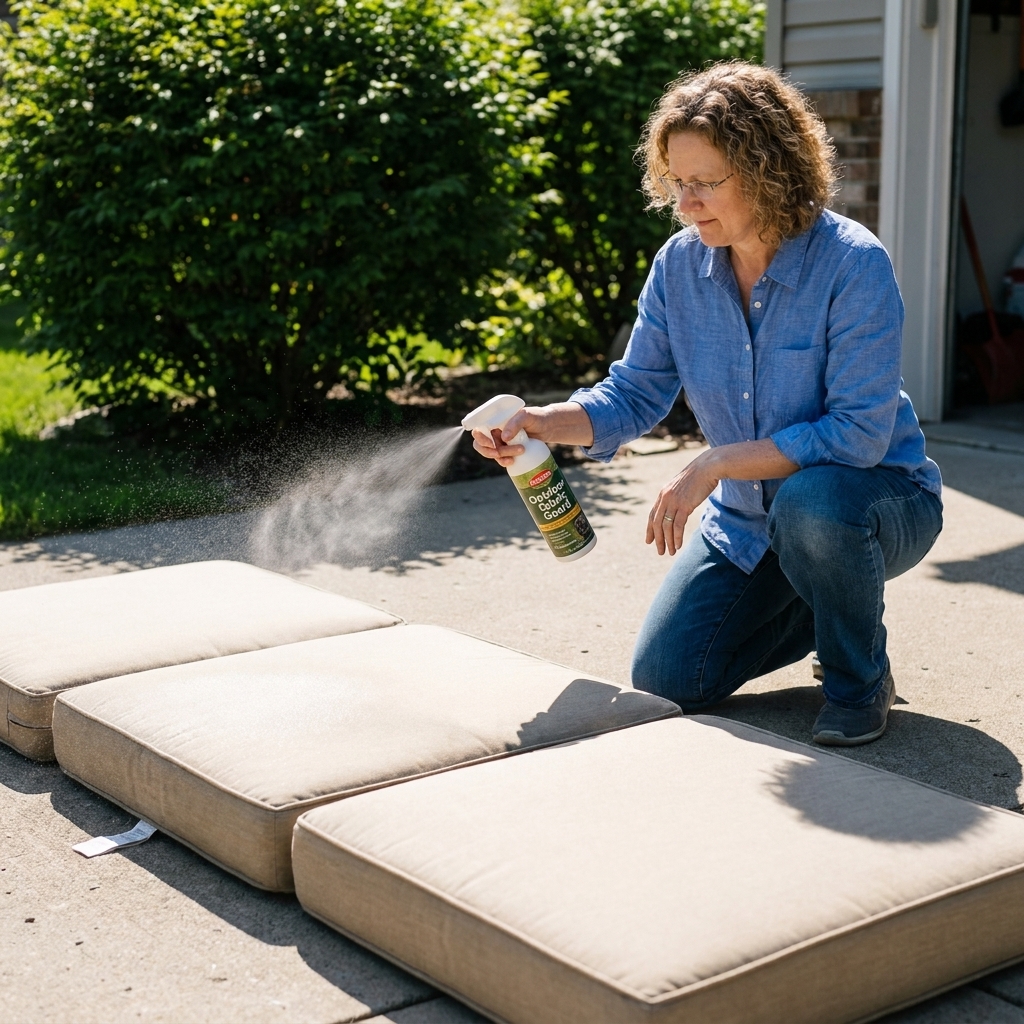
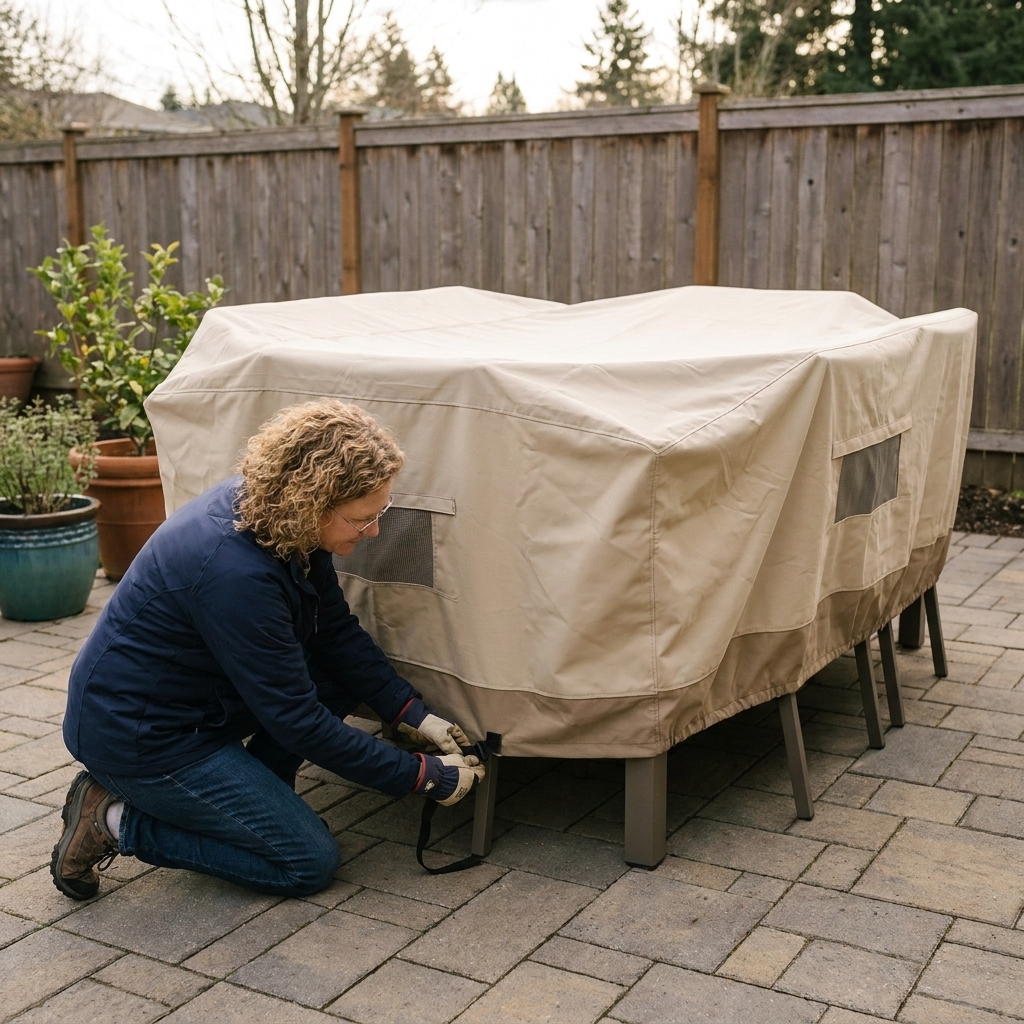
Step 3: Use covers correctly
Furniture covers are fantastic, but only if they fit well and breathe. A cover that traps moisture can create mildew, discoloration, and even accelerate rust.
What to look for
- Water-resistant fabric with taped seams to shed rain.
- Vents to let moisture escape.
- Secure closures like buckles, drawcords, or elastic hems so wind does not turn it into a sail.
- Correct size with a little room for airflow, but not so loose it flaps and rubs finishes.
Cover do’s and don’ts
- Do let furniture dry before covering after rain if possible.
- Do use a small riser (a tennis ball cut in half, a plastic cup turned upside down, or a purpose-made cover support) to prevent puddles on flat tops.
- Do not let covers sit directly on cushions for weeks in humid weather. Store cushions separately when you can.
- Do not drag covers across rough concrete. Tiny tears become big leaks fast.
Step 4: Store smarter
If you want the biggest jump in furniture lifespan, this is it. You can seal and cover all day long, but nothing beats getting pieces out of the worst weather.
Best storage setup
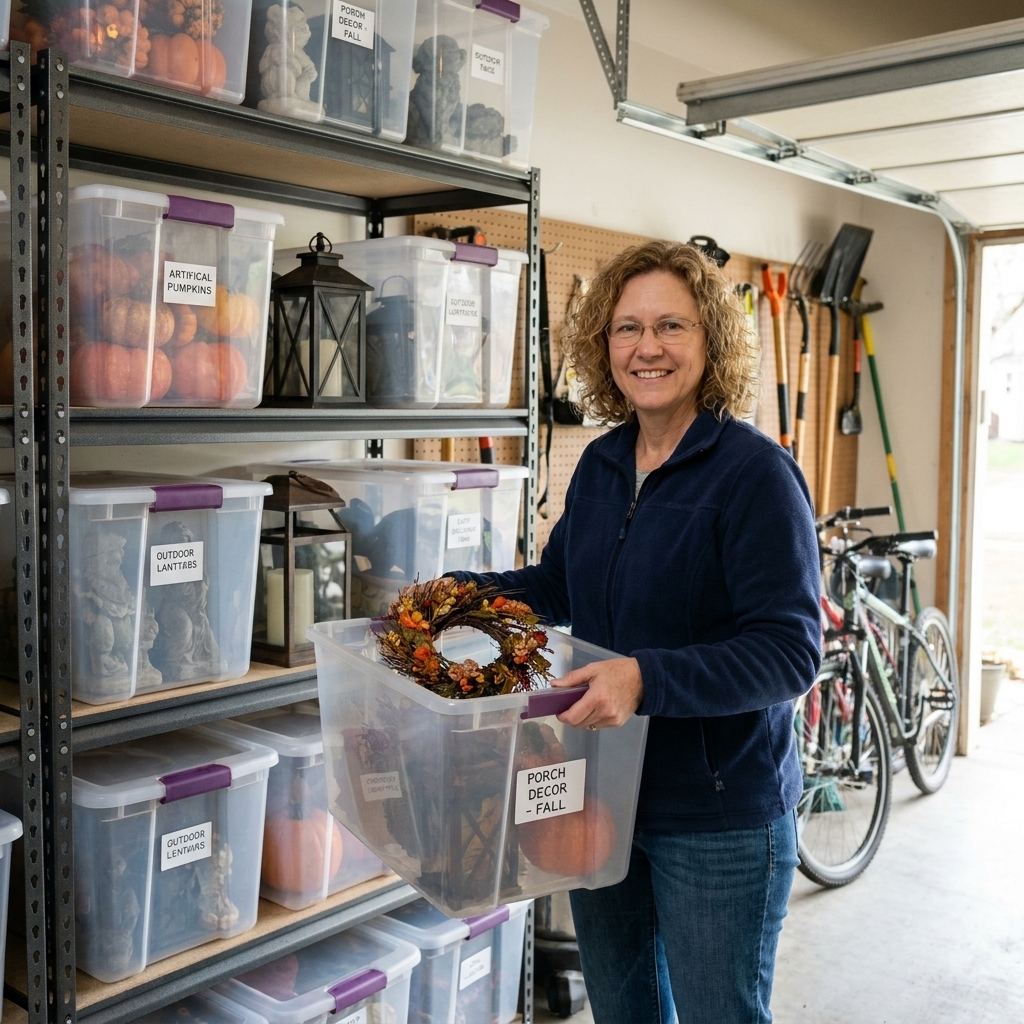
- Dry, covered location: garage, shed, basement, or a covered porch corner.
- Air circulation: avoid wrapping furniture tightly in plastic. Trapped moisture is mildew’s favorite.
- Off the ground: use furniture pads, scrap wood slats, or pallets so legs are not sitting in dampness.
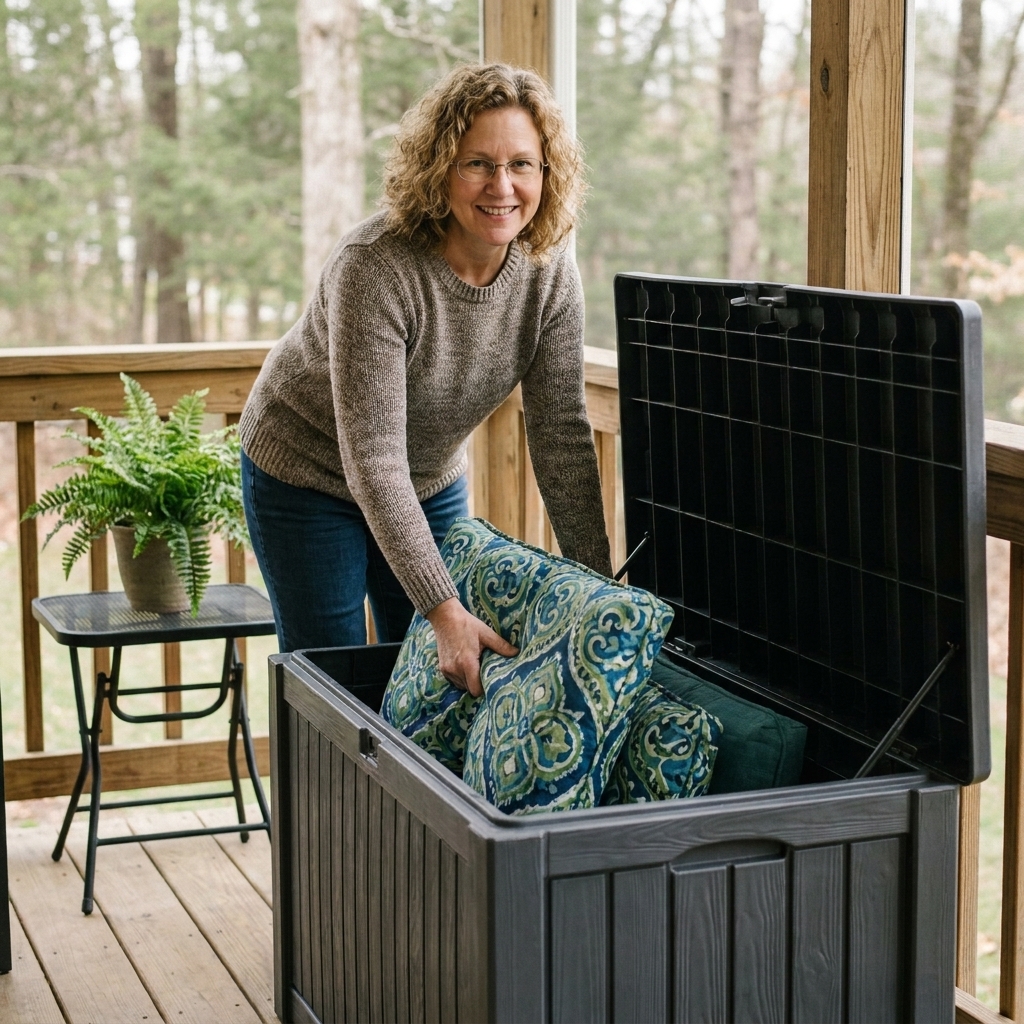
- Cushions inside: a deck box, bench with storage, or large breathable bags in a closet.
How to store cushions
- Make sure cushions are fully dry.
- Store in a dry spot with airflow. A plastic tote can work if you add moisture absorbers and only store bone-dry cushions.
- If possible, unzip cushion covers slightly during storage to help them breathe.
Simple maintenance routine
This is the “little and often” approach that keeps your patio looking pulled together without turning you into a full-time furniture caretaker.
- Weekly: quick wipe-down of table surfaces, shake rugs, flip or rotate cushions.
- Monthly: rinse pollen and grime off frames, check for rust chips and touch up quickly.
- Twice a season: deep clean cushions, reapply fabric protectant if needed, oil or reseal wood based on exposure.
- Before long rainy stretches: store cushions inside and use covers with vents.
Maggie tip: Keep a small “porch care” bin handy with a soft brush, microfiber cloths, touch-up paint, and a bottle of gentle cleaner. If supplies are within arm’s reach, you will actually use them.
Material cheat sheet
| Furniture type | Main threats | Best protection | How often |
|---|---|---|---|
| Hardwood (teak, eucalyptus, acacia) | Drying, cracking, water staining, UV graying | Exterior hardwood oil or spar urethane (choose look vs barrier) | Follow the product label. High sun, coastal air, and uncovered patios often need more frequent touch-ups. |
| Softwood (pine, cedar) | Water absorption, warping, finish failure | Exterior stain + sealer, or exterior paint system | Inspect each season and touch up as needed (sooner in wet climates). |
| Steel, wrought iron | Rust | Sand, rust-inhibiting primer, exterior enamel paint | Touch up chips immediately. Repaint when widespread wear appears. |
| Aluminum | Oxidation, finish fading | Gentle cleaning, automotive wax. Clear coat only if recommended and properly prepped. | Clean monthly in pollen season. Wax as needed based on exposure. |
| Resin wicker, plastic | UV fading, brittleness | Shade, vented covers, UV protectant spray | Protectant as directed, more often in full sun. |
| Outdoor fabric cushions | Fading, mildew, waterlogged inserts | Fabric water repellency spray, store dry, quick-dry inserts with breathable liners | Follow the label and reapply after deep cleaning or long, harsh seasons. |
Troubleshooting
My cushions smell musty
They are likely holding moisture inside the foam. On a sunny day, unzip covers and let inserts air out. If mildew is present, clean covers and consider replacing inserts with quick-dry foam if the problem keeps returning.
Water pools on my covers
Add a cover support in the center or prop up the middle with something that will not scratch the tabletop. Pooling stretches seams and eventually lets water seep through.
My wood table has cloudy spots
That can happen when moisture gets into the finish. Let it dry thoroughly first. If it remains, you may need to lightly sand and recoat the top. Going forward, use coasters and a cover during long wet spells.
Rust keeps coming back on the same legs
That area is probably staying wet, often from sitting directly on porous concrete. Add feet, improve drainage, and touch up paint chips quickly. Rust is easiest to stop at the first tiny spot.
FAQ
Should I cover outdoor furniture every night?
Not necessarily. In dry weather, it can be fine to leave pieces uncovered, especially under a roof. I focus on covering during heavy sun stretches for fade-prone pieces and before rainstorms for cushions and anything with exposed wood grain.
Can I use a tarp instead of a furniture cover?
You can in a pinch, but tarps trap moisture and can rub finishes. If you do use one temporarily, leave gaps for airflow and remove it as soon as the weather clears so everything can dry out.
Do I need to seal furniture labeled weather-resistant?
Weather-resistant usually means it can handle normal outdoor conditions, not that it is immune to sun fade or a long wet season. Adding the right protectant and using covers will still extend its life.
What is the easiest upgrade for a rainy climate?
Store cushions inside when rain is frequent and use vented covers for frames. That one change prevents the most common headache, which is mildew and soggy seating.
What about powder-coated frames and stone tops?
Powder-coated metal is tough, but chips should be touched up quickly so rust cannot start underneath. For stone or concrete tabletops, use cleaners and sealers made for that specific surface, and follow the manufacturer guidance so you do not etch or discolor it.
Final reminder
Your outdoor space should feel like an extension of your home, not another chore list. If you do nothing else, do these three: keep pieces clean, touch up damage fast, and store cushions dry. That simple rhythm will protect your furniture from sun and rain and keep your porch looking welcoming all season long.