If you have ever fallen in love with a patio set online and then watched it slowly fall apart on your own porch, you are not alone. Outdoor furniture is not just about style. It is about what your weather does day after day: baking sun, drenching storms, salty air, windy afternoons, and winter freeze-thaw cycles.
Let’s walk through the three big material families most of us shop first, teak, wicker, and metal, and match them to the climates where they shine (and the ones where they need extra help).
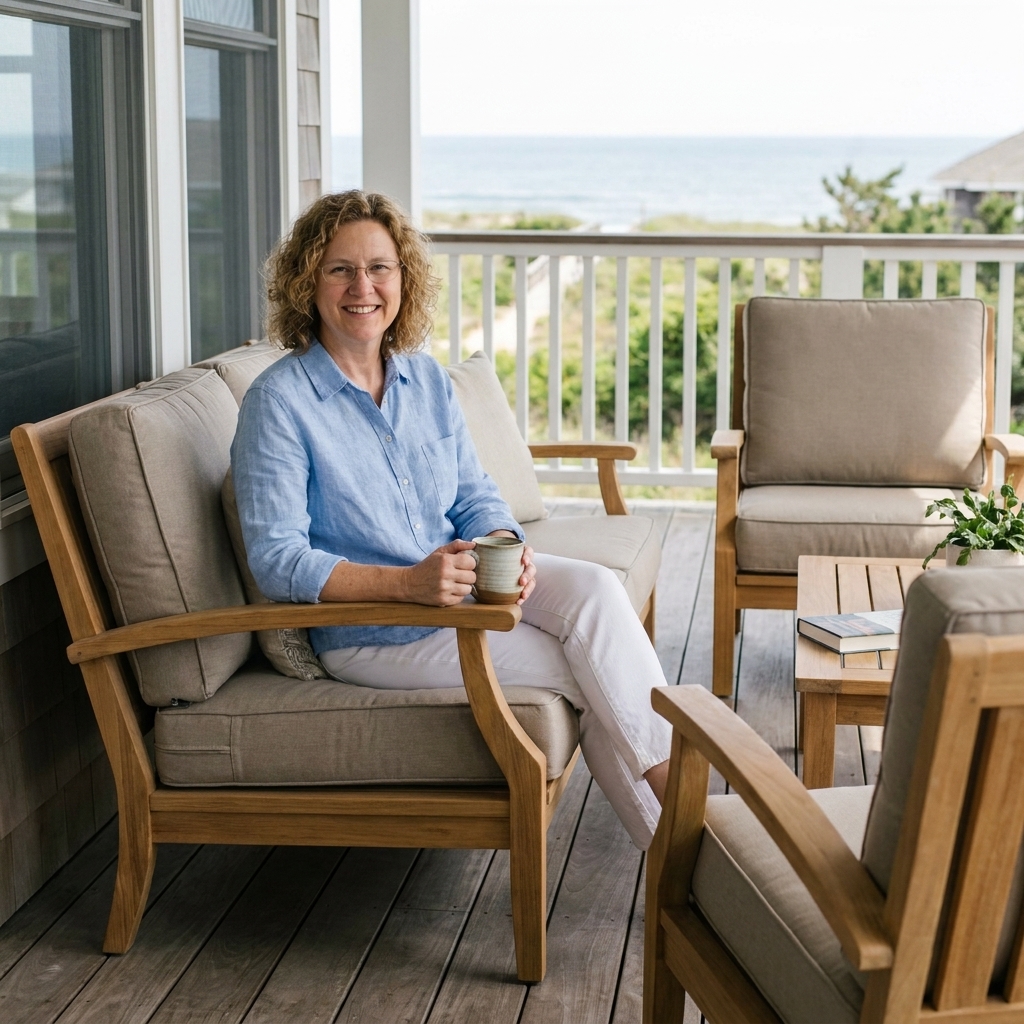
Quick climate match (my porch-tested cheat sheet)
| Climate challenge | Best bet | Works with extra care | I would avoid |
|---|---|---|---|
| Coastal salt air | Teak | Aluminum (rinse often) | Plain steel, cheap resin wicker |
| Hot, intense sun | Aluminum, Teak | HDPE wicker, powder-coated steel | Low-grade wicker, dark metal without shade |
| Humid and rainy | Teak, Aluminum | HDPE wicker (good frame + airflow) | Natural rattan, untreated steel |
| Windy locations | Heavier metal, Teak | Aluminum (needs anchoring) | Lightweight wicker pieces |
| Freezing winters (freeze-thaw) | Teak, Aluminum | Powder-coated steel (covered), HDPE wicker (covered) | Wicker left uncovered, anything with water-trapping joints |
Now let’s break down what is really happening with each material, and what to look for before you buy.
Teak: the classic that handles real weather
Teak is a hardwood with natural oils and a tight grain. That combo is why it has a long reputation in boats and outdoor living. It resists rot and moisture better than many woods, and it tends to take rough weather in stride.
Where teak performs best
- Coastal climates: Teak is one of the more forgiving choices in salt air. The wood itself holds up well, but the set is only as good as its hardware and joinery, so stainless fasteners and solid construction matter.
- Humid, rainy regions: Great option if you want furniture that can survive afternoon storms and muggy nights.
- Four-season patios: Teak handles temperature swings well, especially when it is allowed to dry out between wet spells.
What teak struggles with
- “Perfect honey color” expectations: In sun and rain, teak naturally turns silvery gray. That is normal and not damage.
- Persistently damp shade: Teak can still develop surface mildew or dark spotting if it stays wet with little airflow. It is usually cosmetic and cleanable, but it is a sign the area is not drying out.
- Normal weathering: Over time, you may see light checking (small surface cracks). It is common as teak expands and contracts outdoors.
Teak upkeep (simple, but specific)
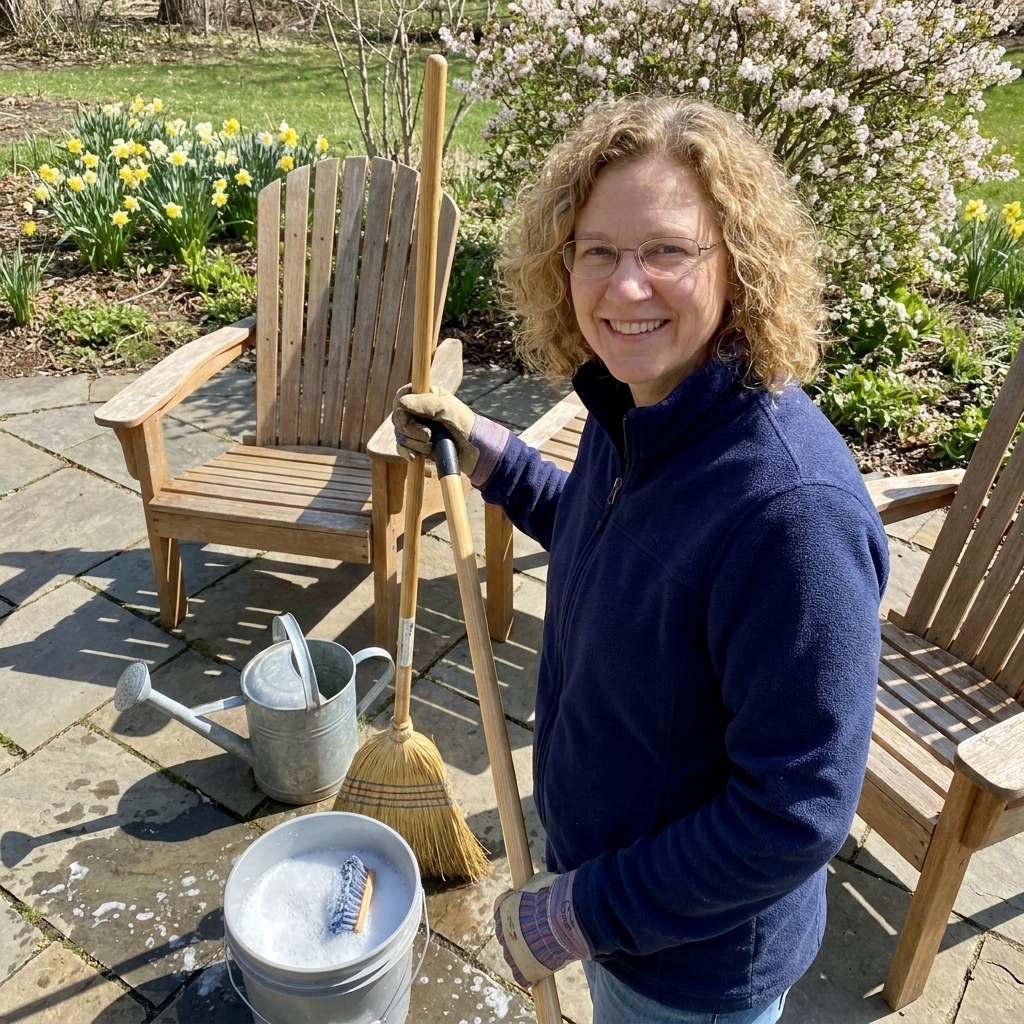
- To keep the silver patina: Clean gently with mild soap, soft brush, and water. Let it fully dry.
- To keep it golden: Use a teak sealer (not just oil) and reapply as directed. Teak oil can deepen color short-term, but it often attracts dirt and can look uneven over time depending on prep and exposure.
- In coastal areas: A quick freshwater rinse now and then helps remove salt residue, especially around hardware, joints, and end grain.
What I look for when buying teak: stainless steel hardware, smooth sanding (no fuzzy grain), and solid joinery. If it feels feather-light, it is often lower grade or thinner construction.
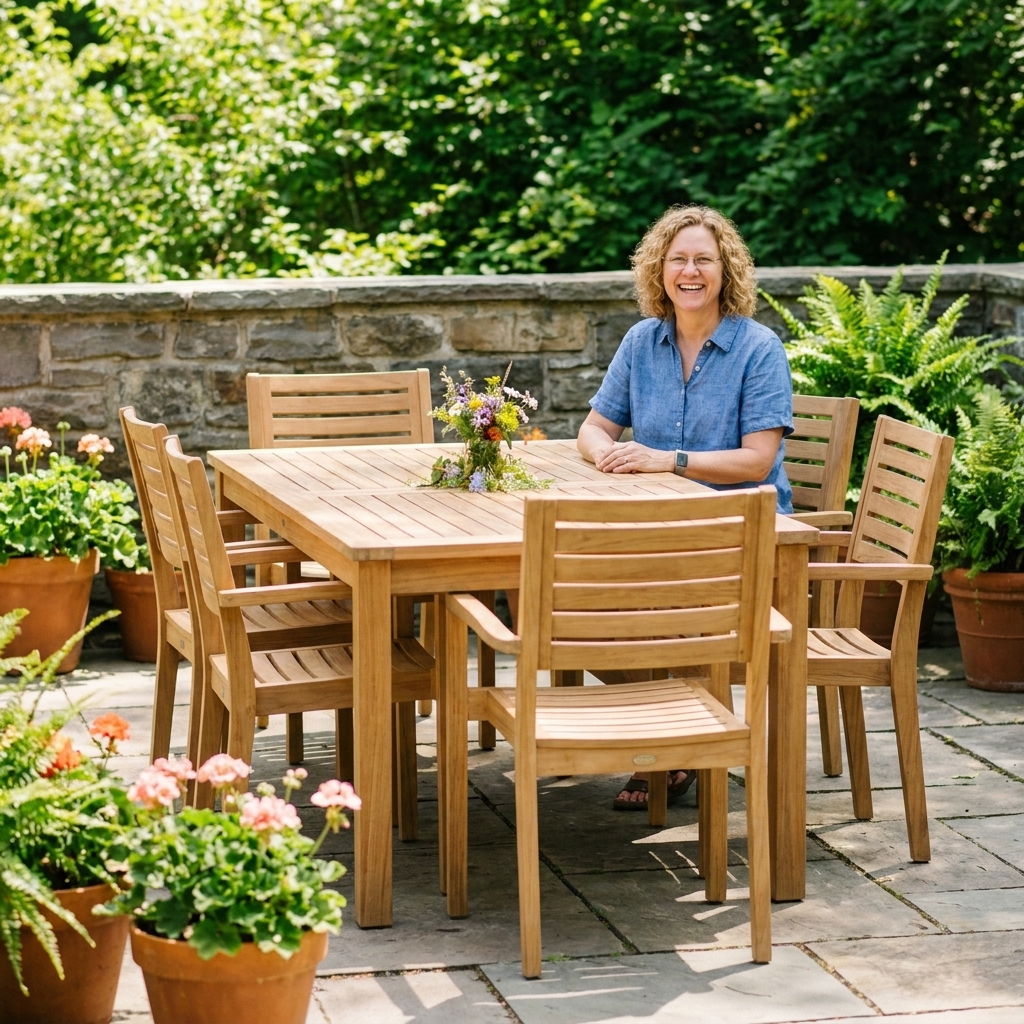
Wicker: cozy, but it depends on what it is made of
“Wicker” is a weaving style, not a single material. Outdoors, you will typically see either natural wicker (like rattan) or synthetic wicker (usually resin). These behave like completely different products.
Natural wicker (rattan): best on covered porches
If you grew up with a front porch rocker that squeaked in the sweetest way, that was probably natural wicker. It has charm for days, but it does not love getting soaked.
- Best climate use: covered porch, screened room, sunroom, or any space protected from direct rain and harsh sun.
- Biggest risks: repeated wetting and drying (splitting), mildew in humid shade, and brittleness under intense UV.
Synthetic wicker: choose HDPE for true outdoor durability
For patios that see weather, you want a high-quality resin weave, ideally HDPE (high-density polyethylene). It tends to be more UV-stable and more flexible over time than cheaper PVC blends.
Where synthetic wicker performs best
- Sunny patios: HDPE handles UV better, especially in lighter colors that do not heat up as much.
- Humid climates: It resists moisture, as long as the cushions and frames are also built for damp conditions.
- Family porches: It is comfortable, forgiving, and usually easier to wipe down after snacks and pollen season.
Where wicker needs extra caution
- Coastal salt air: The weave may be fine, but the frame and fasteners underneath matter. Cheap steel frames can rust from the inside out.
- Windy areas: Many wicker pieces are lighter and can scoot around. Look for weight, wide feet, or plan to anchor and store pieces during extreme wind.
- Freeze-thaw winters: HDPE itself tolerates cold well, but winter damage usually comes from moisture trapped in cushions, straps, and frame joints. Covers and dry storage help a lot.
Wicker buying checklist (this saves regrets)
- Ask what the weave is: HDPE is the goal for outdoor exposure.
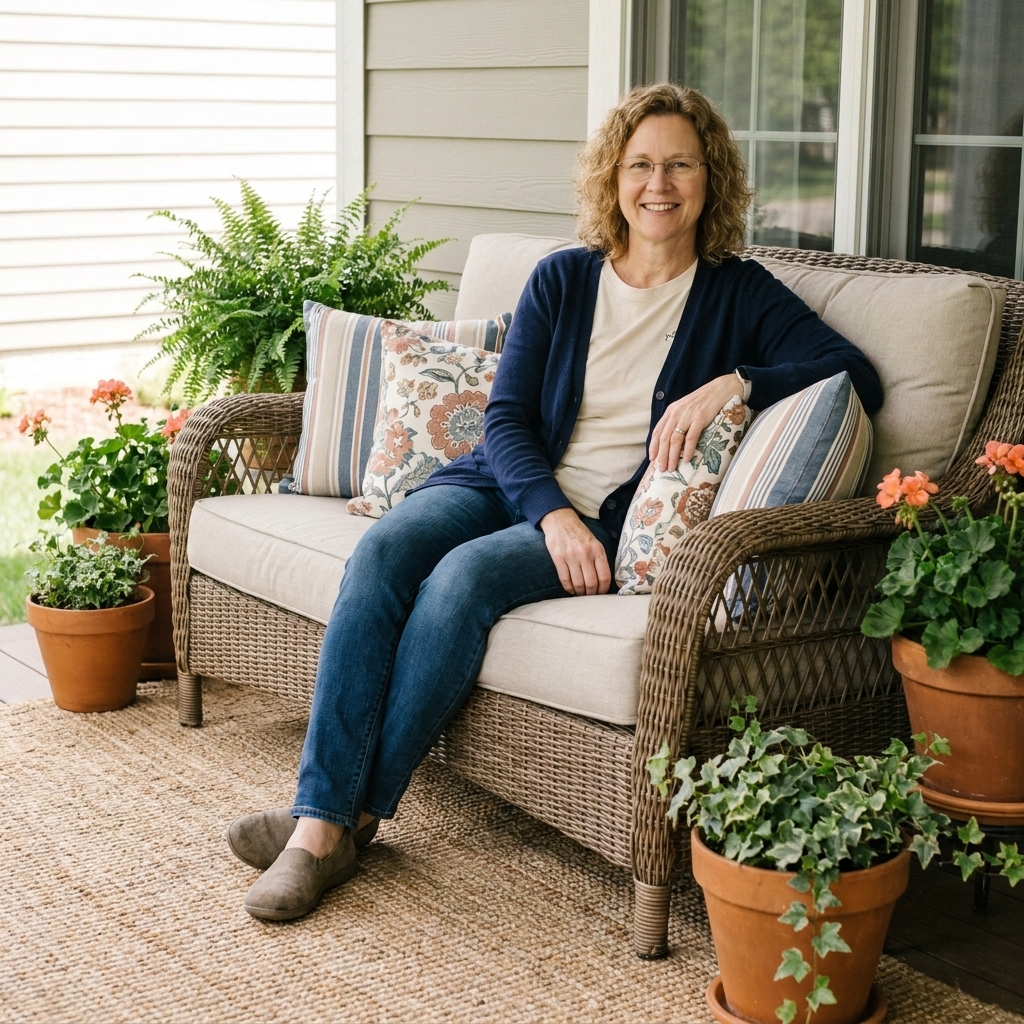
- Inspect the frame: aluminum is ideal, powder-coated steel can be okay if it is truly sealed and well-made.
- Look at the weave tightness: consistent, tight weaving with no sharp ends means it will hold up better.
- Check cushions: quick-dry foam, zip covers, and outdoor fabrics. Solution-dyed acrylic is a favorite category for fade resistance, and good olefin can also perform well.
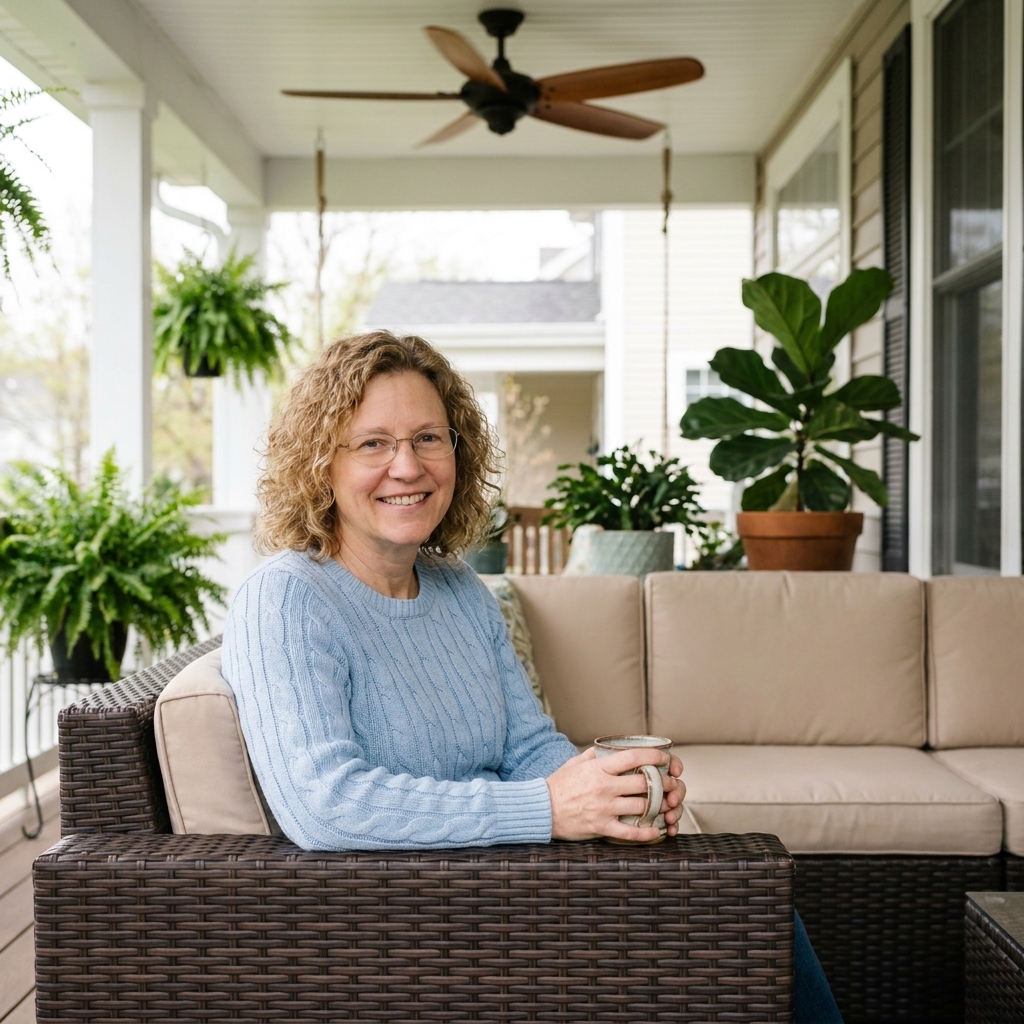
Metal: a workhorse if you pick the right type
Metal furniture can be impressively durable, or it can become a rusting mess within a couple of seasons. The difference is usually the metal type plus the finish quality.
Aluminum: my top pick for low maintenance
Aluminum does not rust the way steel does, which makes it a smart choice for rainy climates and anywhere you want to hose things off and move on with your day.
- Best for: humidity, rain, poolside splash zones, and freeze-thaw regions.
- Watch for: very lightweight pieces in windy areas, and scratches that compromise the finish.
- Real-world note: aluminum can oxidize and some finishes can chalk or pit over time, especially in marine air. Occasional rinsing and gentle cleaning help, and touch-up paint is worth keeping on hand.
- Coastal tip: rinse occasionally with fresh water to remove salt and keep finishes looking clean.
Steel and wrought iron: solid in wind (with a rust plan)
If your porch turns into a wind tunnel, heavier steel or wrought iron can be a blessing. They sit still. They feel sturdy. They can last for years with the right coating and care.
- Best for: windy climates, covered porches, and dry regions.
- Hardest climates: coastal salt air and constantly wet environments. Those are the fastest routes to corrosion.
- Must-have: a quality coating and a willingness to touch up chips quickly.
- Best-in-class option: galvanized steel with a powder coat (often called a duplex coating) is typically more corrosion resistant than powder coat alone.
Stainless steel: great, but grade matters
Higher-end outdoor lines sometimes use stainless steel, which can be a smart coastal choice. In salty environments, grade matters. Marine-grade stainless (often 316) generally holds up better than 304, and even stainless can show surface staining if salt sits on it.
Metal comfort realities
- Heat: dark metal in direct sun can get uncomfortably hot. Cushions, shade, and lighter finishes make a big difference.
- Noise: metal can scrape on concrete. I like outdoor rug pads or stick-on furniture feet to protect floors and reduce the racket.
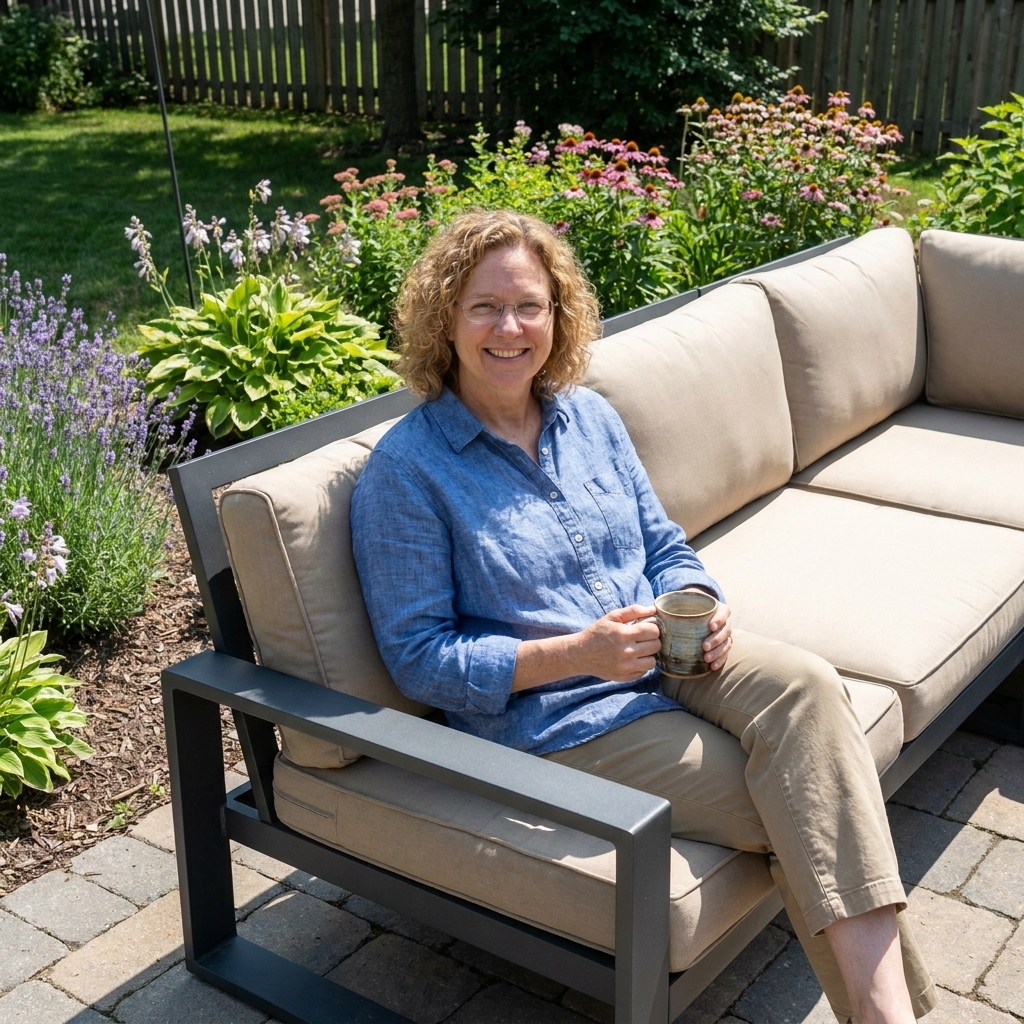
Pick by climate: what I would buy
Coastal and salt air
Top pick: teak. It is naturally resilient, and cosmetic weathering is usually the main story, not structural failure.
Great alternative: aluminum with a high-quality finish and stainless hardware. Plan to rinse periodically.
Be cautious with: plain carbon steel (even powder-coated) and wicker sets with hidden steel frames.
Hot desert sun
Top pick: aluminum or teak. Both handle heat well, but you will want shade for comfort and slower fading on cushions.
Wicker tip: choose HDPE, lighter colors, and plan for cushion storage so fabrics do not bake.
Humid summers and frequent rain
Top pick: teak or aluminum. They recover well between storms.
Wicker tip: prioritize quick-dry cushions and airflow under seating. Damp cushions ruin the whole experience.
Windy plains, hills, and balconies
Top pick: heavier metal (steel or wrought iron) if rust is not a constant threat, or a substantial teak set.
Safety note: in extreme winds, any furniture can become a hazard. Anchor what you can and store lightweight pieces when gusts get serious.
Snowy winters and freeze-thaw cycles
Top pick: teak or aluminum, plus breathable covers.
What matters most: keeping water from sitting in crevices. Standing water that freezes is what pops finishes and stresses joints.
The real secret: frames, fasteners, cushions
Two sets can both be labeled “wicker” or “metal” and live totally different lives on your porch. Before you commit, peek under the pretty parts.
- Hardware: stainless steel resists corrosion far better than basic steel screws.
- Frames: on wicker, the frame is the make-or-break piece. Aluminum is the low-drama choice.
- Feet and glides: protect your porch floor and keep water from wicking up into legs.
- Cushions: look for removable covers, water-resistant inserts, and fabrics designed for outdoor fading and mildew resistance. Quick-dry foam usually means a more open-cell structure that drains and dries faster than standard indoor foam.
- Breathability: anything that traps moisture will age faster, especially in humidity.
- Water-trapping joints to watch for: hollow legs with open ends, unsealed tube frames, and tight corners where water sits instead of draining.
Other materials worth a quick look
- Other woods (eucalyptus, acacia): often budget-friendly and good-looking, but typically need more frequent sealing and tend to have a shorter outdoor lifespan than teak in harsh climates.
- HDPE lumber (Polywood-style): excellent in sun and coastal air, does not rot, and is heavy enough to help in wind. It can still get hot in direct sun, and quality varies by brand.
Care routines that add years
Weekly or after storms
- Shake off cushions and stand them on edge to dry faster.
- Wipe pollen and grime off frames so it does not grind into finishes.
Seasonally
- Teak: gentle wash, optional sealer if you want color.
- Wicker: rinse and use a soft brush in the weave, then dry thoroughly.
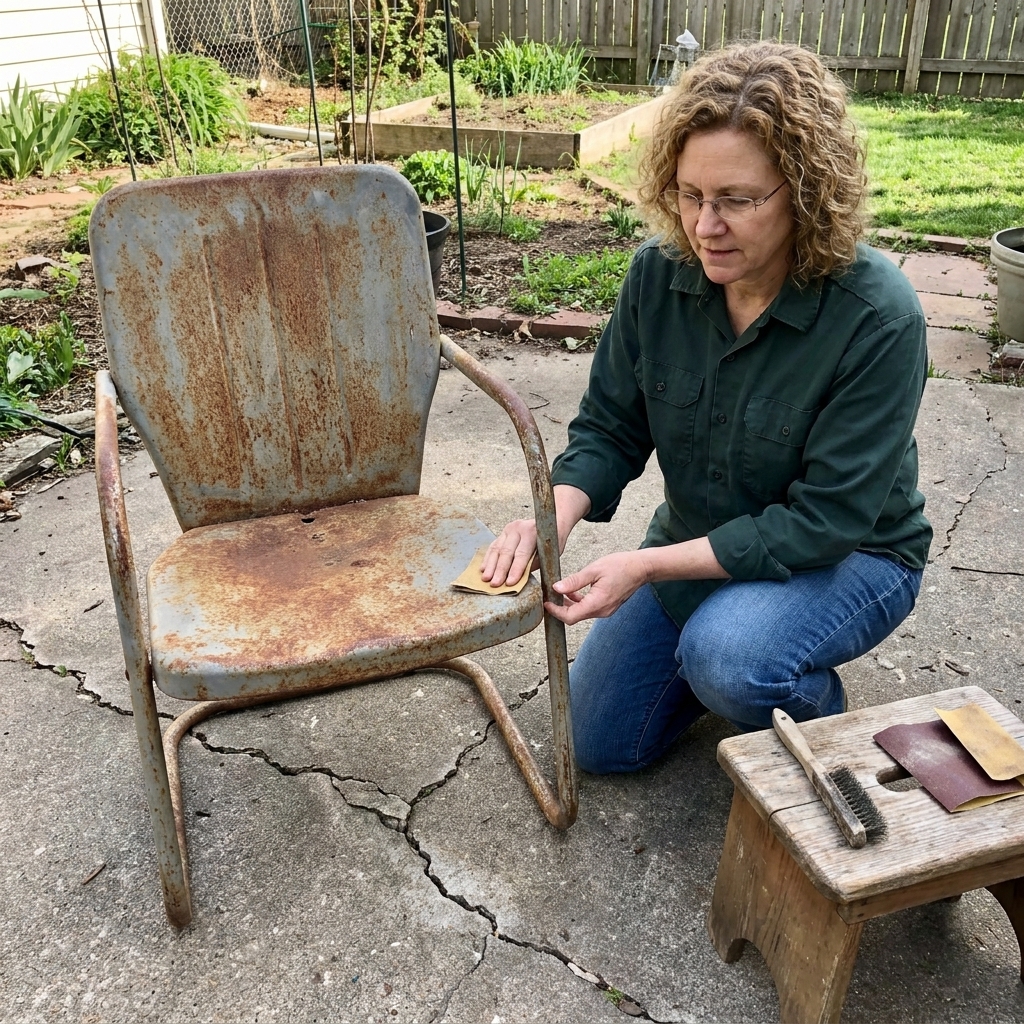
- Metal: inspect for chips, sand lightly and touch up to prevent rust spread (especially on steel).
Off-season storage (if you get real winter)
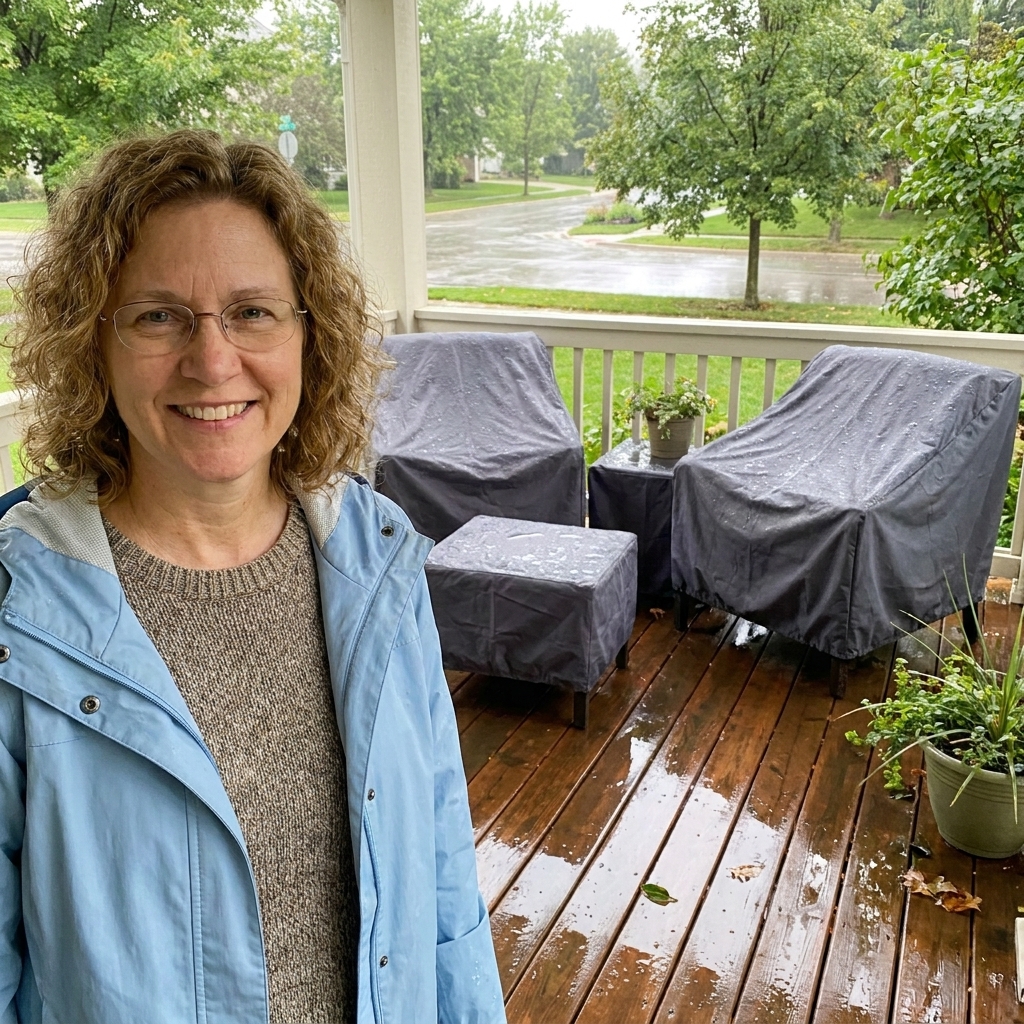
- Breathable covers beat plastic tarp-style covers that trap condensation.
- Store cushions indoors if possible. If not, use a sealed deck box and dry them first.
FAQs
Is teak worth the cost?
If you want long-term durability with relatively low fuss, especially in wet or coastal climates, yes. The upfront price can feel steep, but teak often outlasts multiple rounds of cheaper sets.
What is the longest-lasting wicker for outdoors?
Look for HDPE resin wicker over an aluminum frame, with stainless hardware. That combo is far more climate-proof than bargain resin over steel.
Does aluminum patio furniture get too hot?
In full sun, any surface can heat up. Lighter finishes, cushions, and a bit of shade (umbrella, pergola, even a well-placed tree) make aluminum very comfortable day-to-day.
What metal should I avoid near the ocean?
Plain carbon steel is the biggest headache. Even coated steel can eventually chip and rust in salt air. If you love a steel look, look for galvanized plus powder-coated pieces, and commit to rinsing, inspecting, and touching up chips promptly.
Can I leave wicker furniture outside in winter?
Synthetic wicker can survive winter better than natural wicker, but it still benefits from breathable covers and dry cushions. Freeze-thaw is hard on anything that holds water in seams, straps, and joints.
My neighborly bottom line
If your climate is tough, I lean teak first, then aluminum, then high-quality HDPE wicker with a great frame. Steel and wrought iron can be wonderful in the right setting, especially where wind is the main villain, but they need a rust-prevention mindset.
When you match the material to your weather, your porch stops feeling like a constant maintenance project and starts feeling like that extra room you actually use, morning coffee to evening string lights.