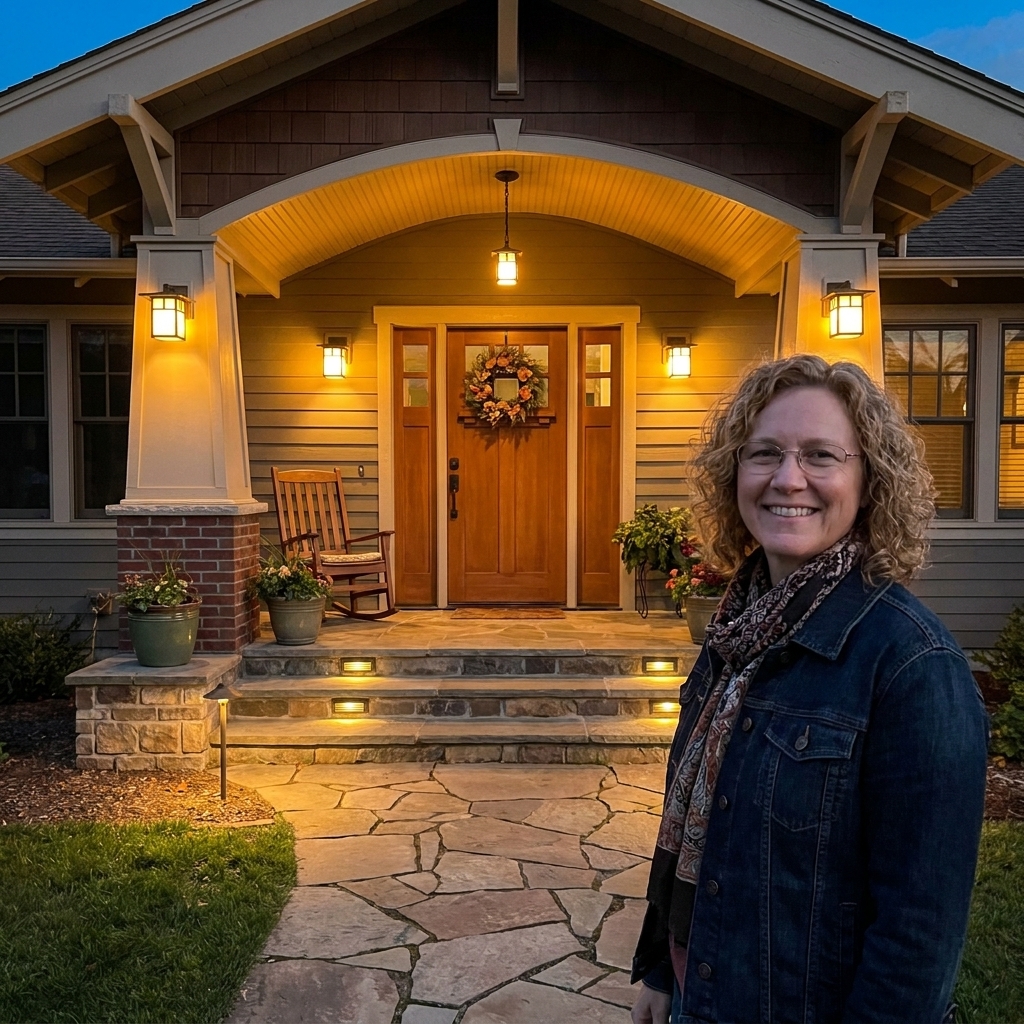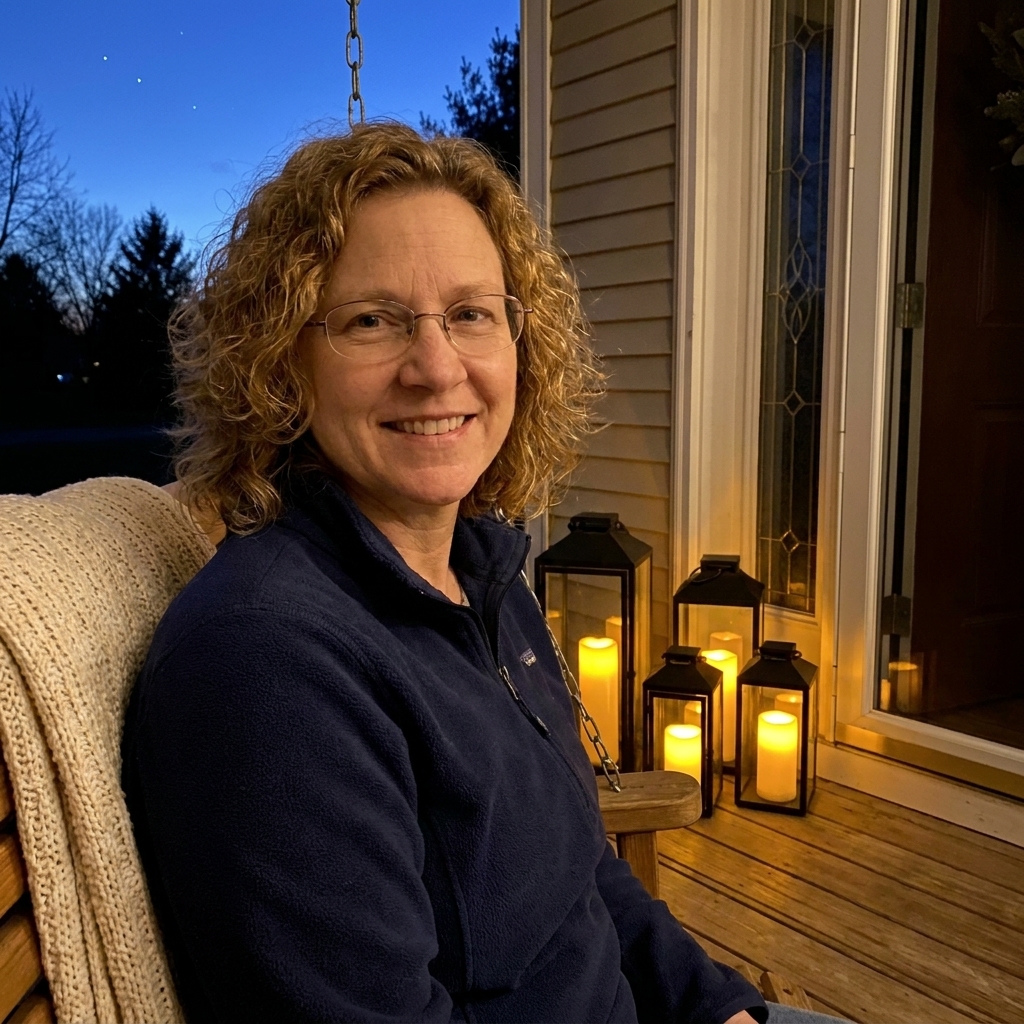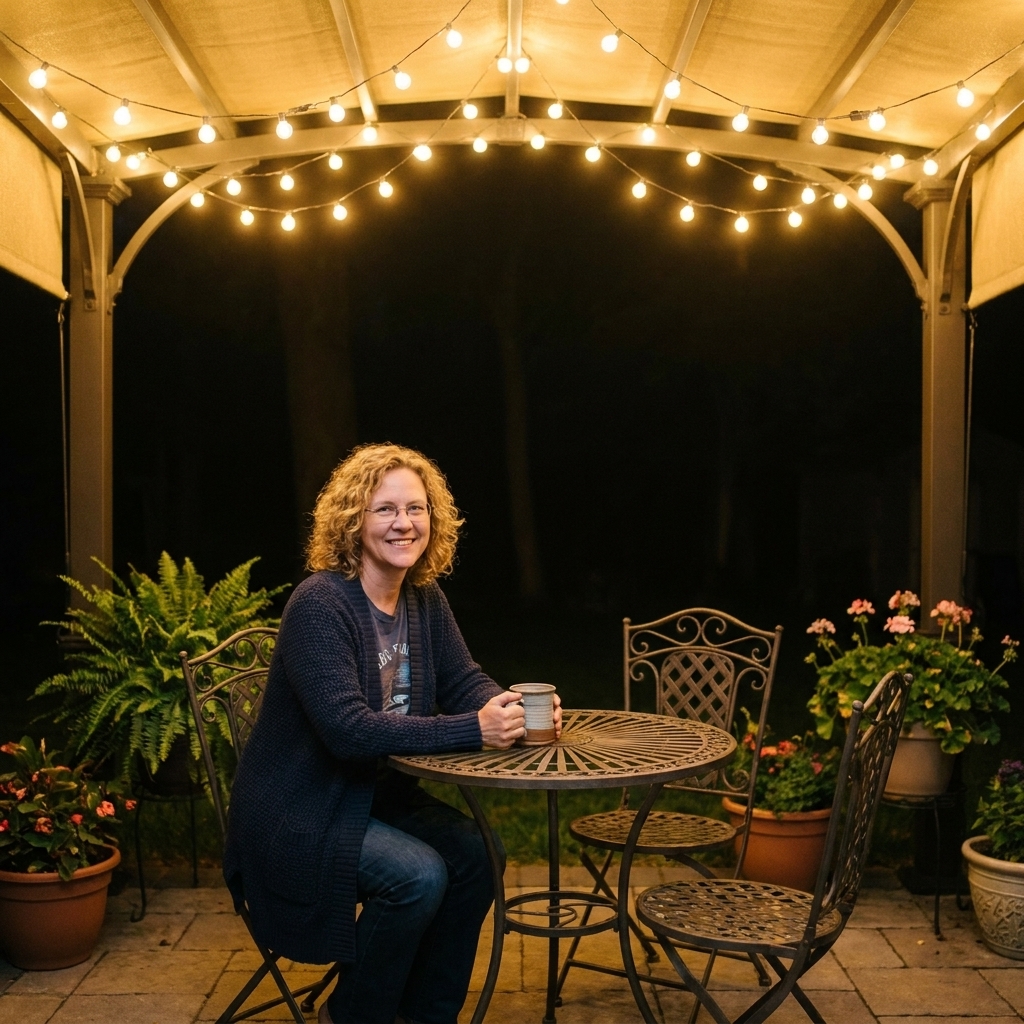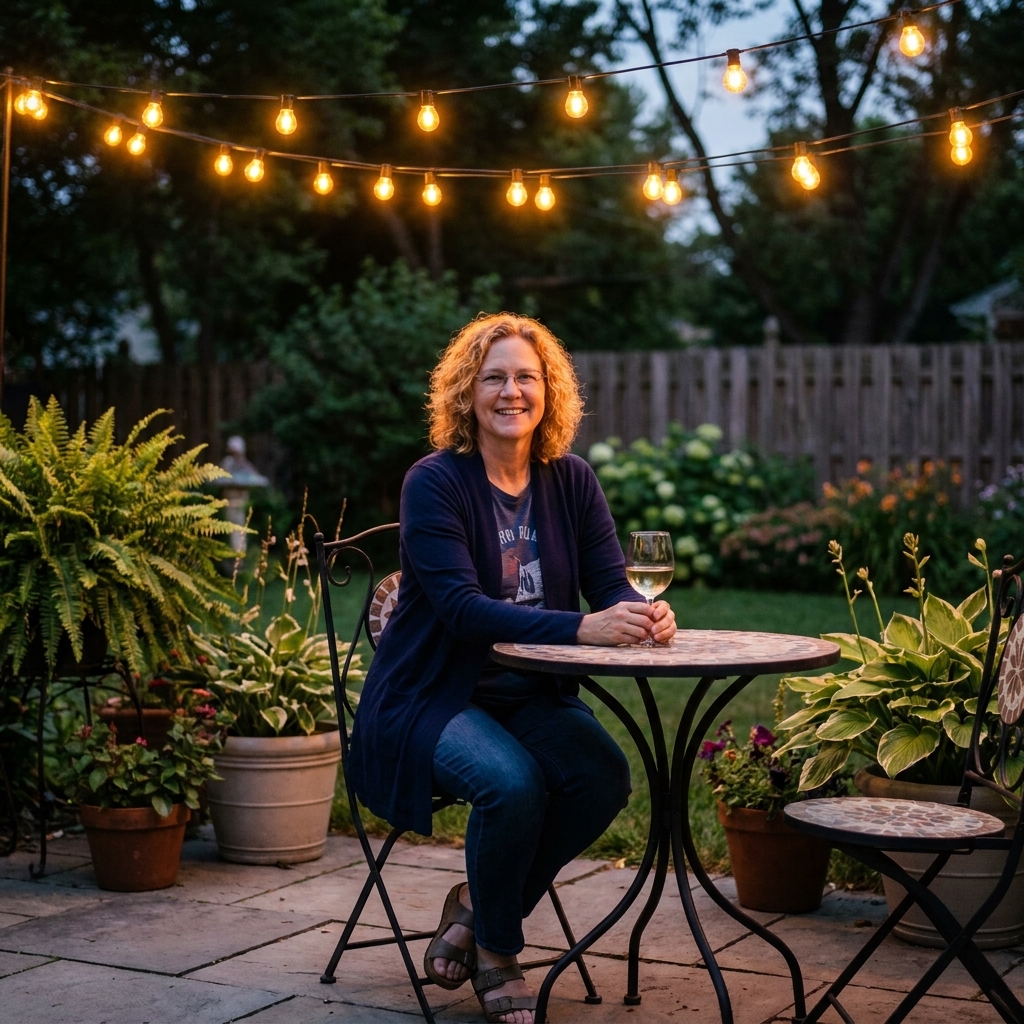
There is something instantly calming about real flame outside. Not the big, bonfire kind of flame. I mean that soft, steady flicker that makes even a basic concrete slab feel like an evening destination. When you layer tabletop fire bowls, modern torches, and glass hurricane lamps with your usual porch lighting, you get that warm, lived-in glow that photos never quite capture.
The trick is doing it safely, choosing clean-burning fuel, and treating flame like a supporting character in your lighting plan, not the whole show. Let’s walk through what works on porches and patios, where to place each type, and my best “neighbor advice” rules for a relaxed, welcoming setup.
Start with a plan, then add flame
Flames look magical, but they are not task lighting. Think of them as your “sparkle layer” that sits on top of practical lighting.
The cozy three-layer formula
- Base light: overhead porch light, string lights, or a soft wall sconce for general visibility.
- Mid-level light: lanterns, solar path lights, or small portable lamps to fill in dark corners.
- Flame accents: tabletop fire bowls, torches, and hurricane lamps to create movement and warmth.
If your patio has only one bright floodlight, you will love what flame does for atmosphere. Just make sure you still have enough non-flame lighting to see steps, gate latches, and drink refills without squinting.
Tabletop fire bowls
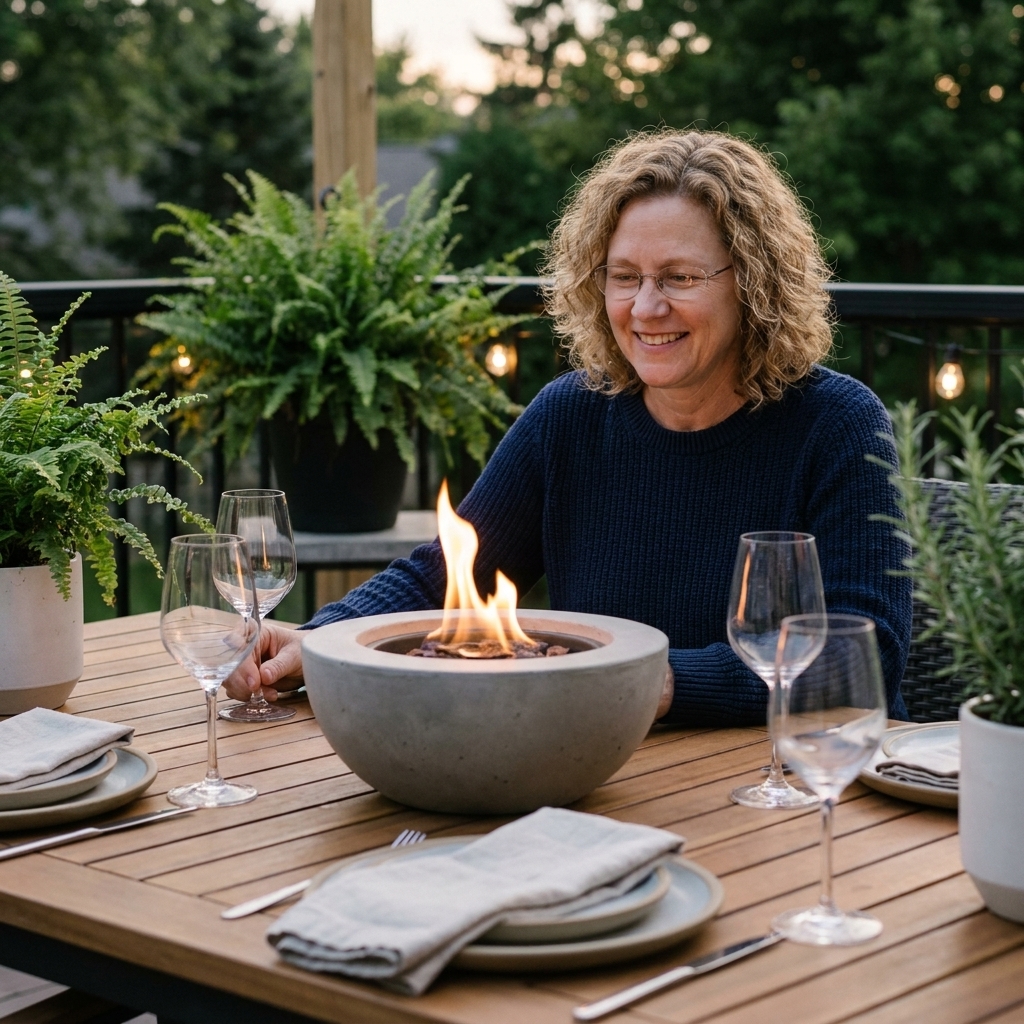
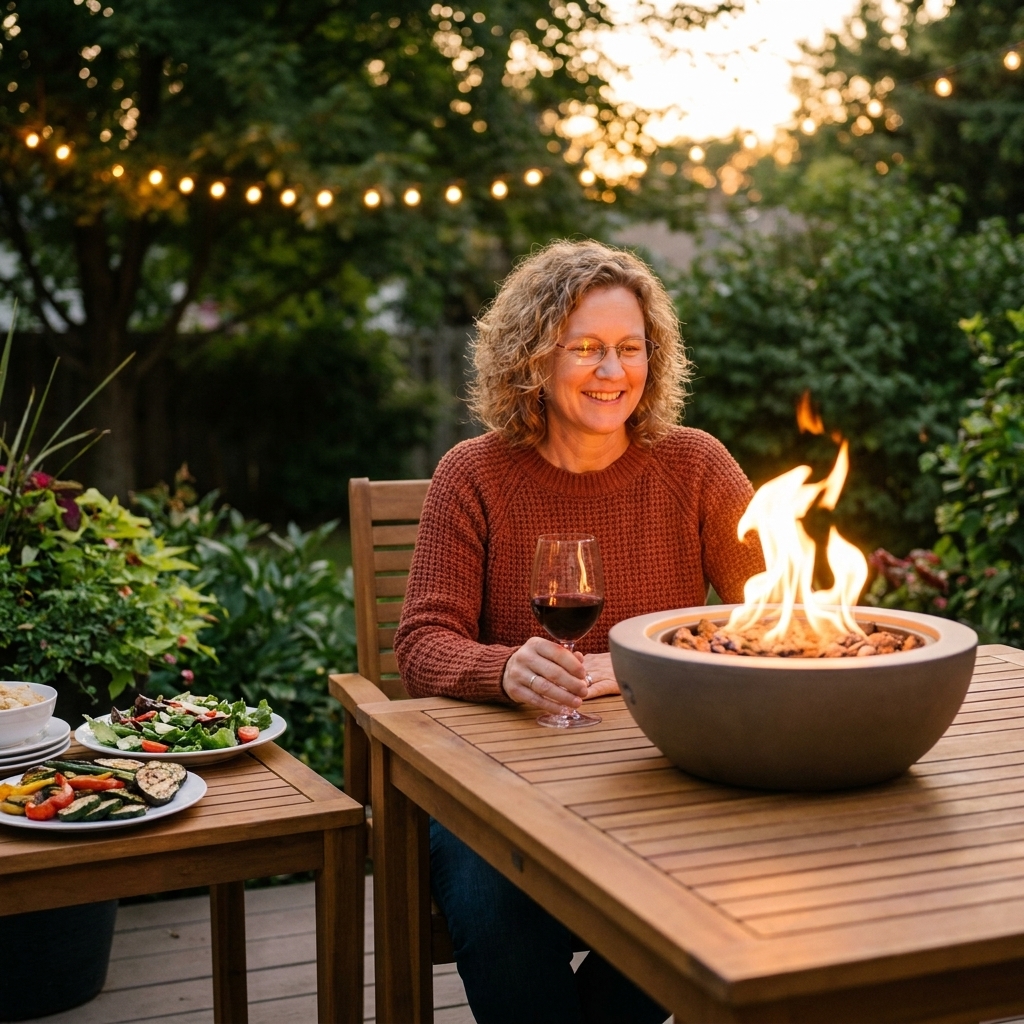
Tabletop fire bowls are my favorite way to introduce flame because they are contained, visually tidy, and they play nicely with small spaces like a front porch. They are especially sweet on a coffee table, bistro set, or dining table when you want that restaurant patio feel at home.
What to look for
- Fuel type you can control: Many tabletop bowls are built for denatured alcohol or ethanol fuels, gel fuel, or propane. Follow the manufacturer’s fuel recommendation exactly. And unless your unit is explicitly rated for it, skip household rubbing alcohol (isopropyl). It can burn unpredictably and is not what most tabletop fire features are designed for.
- A stable, weighted base: If it feels tippy in the store, it will feel worse on a breezy porch.
- A snuffer lid or extinguisher tool: You want to be able to turn it off quickly without improvising.
- Heat-resistant materials: Concrete composite, steel, and tempered glass are common. Avoid anything that feels thin or flimsy around the burn chamber.
Where they look best
- Centered on a coffee table with a tray nearby for drinks, so glasses do not crowd the flame.
- Middle of an outdoor dining table for slower dinners and post-meal chatting.
- On a porch side table beside a pair of rocking chairs, as long as there is breathing room.
My placement rules
- Give it space: Keep at least 12 to 18 inches of clear area around the flame. No napkins, menus, dried florals, or dangling scarf ends.
- Skip low-hanging umbrellas: A patio umbrella can trap heat and interfere with airflow above the bowl. If you must use an umbrella, keep it high and well away from the flame.
- Use a heat-safe landing zone: Stone, metal, or a thick ceramic tile under the bowl is extra peace of mind, especially on wood tabletops.
- Keep it out of traffic: If people have to squeeze past it, it is in the wrong spot. Flame features belong where bodies, sleeves, and chair backs do not brush by.
Modern landscape torches
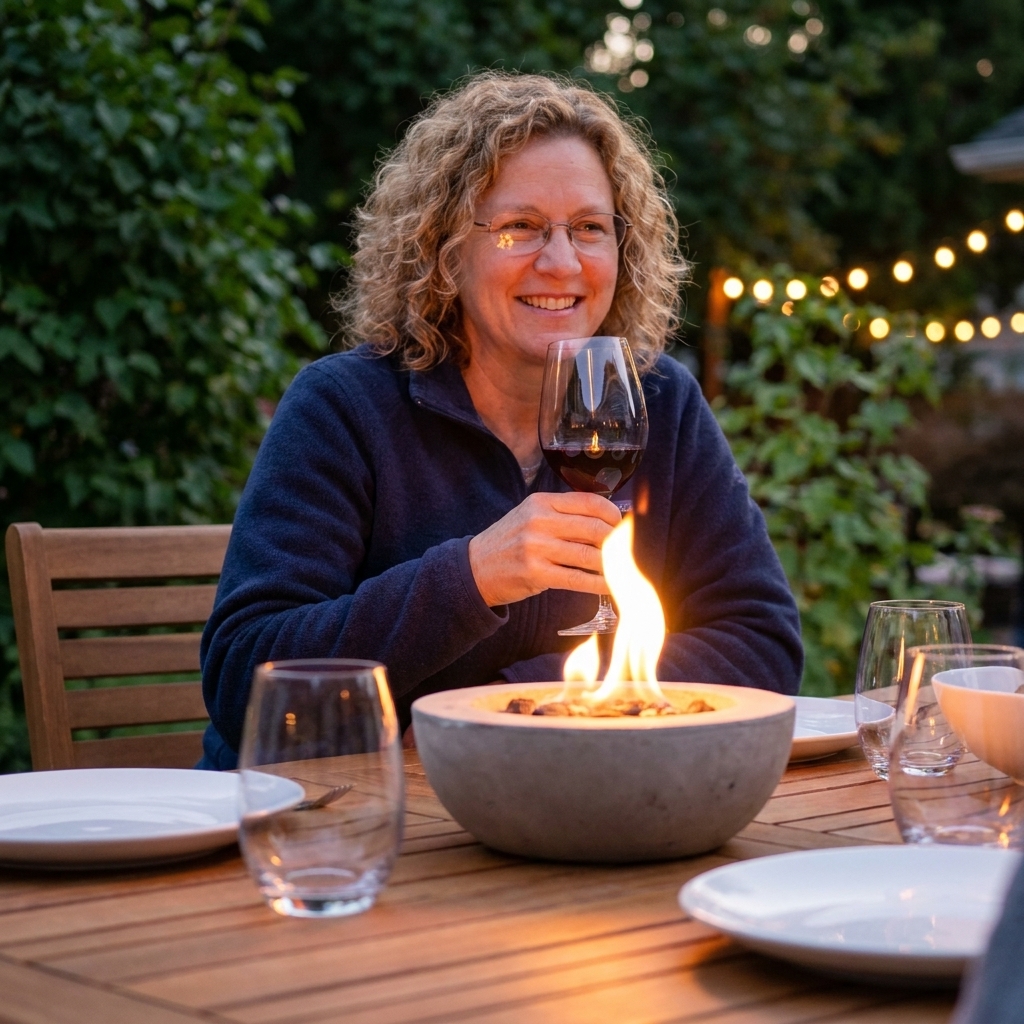
Torches are for edges, entrances, and pathways. They create a gentle perimeter glow that makes a patio feel intentional, almost like an outdoor room with invisible walls.
Choose your torch style
- Traditional torch stakes: Great for garden borders and along fences. Look for sturdy metal stakes and secure caps.
- Contemporary torch columns: Sleeker, often heavier, and ideal for patios where you want a more polished look.
- Wall-mounted flame sconces: A beautiful option if you cannot stake into the ground and you have a safe mounting surface.
Where torches work best
- At the gateway: One on each side of a walkway entrance or patio steps instantly feels welcoming.
- Along the back edge of the seating area: This gives depth and draws the eye outward, making the space feel larger.
- Near tall plantings: Flame and ornamental grasses or palms are stunning together, but keep enough distance that leaves cannot brush the flame.
Spacing and height
For a typical patio, I like torches spaced about 6 to 10 feet apart as a design guideline, depending on their brightness and the size of the area. Clearance and placement requirements are always product-specific, so treat the manual as the final word.
Set torches where people do not walk shoulder-to-shoulder. On narrow paths, keep flames farther from the center line so sleeves and hair are never near the heat. When in doubt, choose heavier bases and wider footprints, and place torches at the perimeter instead of the middle of the action.
Glass hurricane lamps
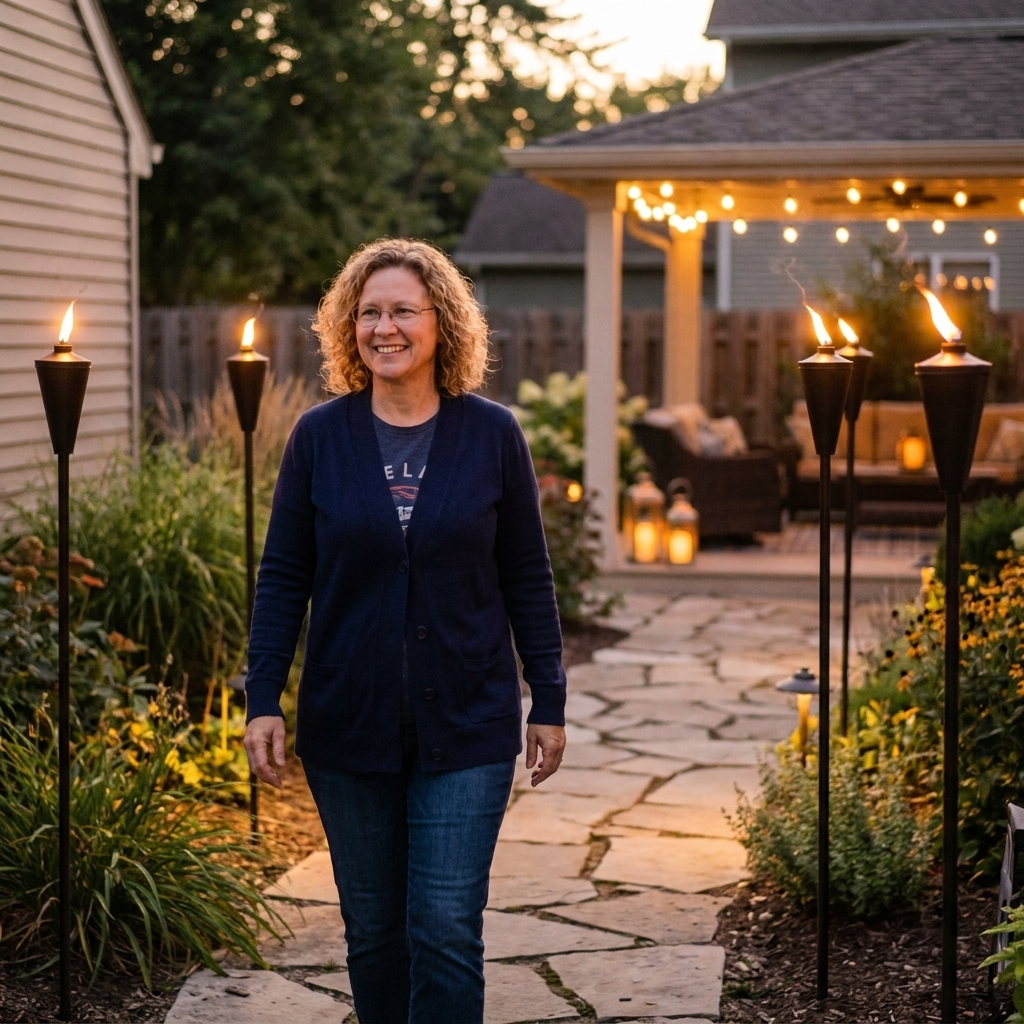
Hurricane lamps are my “make it look styled in five minutes” secret. The glass chimney protects the flame from breezes, the light reflects beautifully, and they feel classic on a porch.
Why hurricanes work outdoors
- Wind protection: The glass helps keep the flame steadier in light breezes, which means fewer frustrating blowouts.
- Visual softness: Glass diffuses the light and makes everything feel gentler.
- Flexible styling: They work with coastal, farmhouse, modern, and cottage looks without clashing.
What to put inside
- Oil or candle-style inserts designed for hurricanes: Choose products made for outdoor use and stable bases, and keep wicks trimmed per the product instructions.
- Citronella, only when you truly want it: Some people love the scent, some do not. I treat it like a “maybe,” not a default.
Where hurricanes shine
- On porch steps (off to the side): They add a warm welcome without blocking the walking path.
- Grouped on the ground near a seating area: Use two or three in varying heights for that layered glow.
- On a console table behind a sofa: Great for patios that feel a little dark at the back.
Fuel basics
In real life, “clean-burning” means this: when you use the right fuel in the right product with good airflow, you get minimal soot, less odor, and little residue to clean up.
It is also about predictability. A flame you can control is a flame you can enjoy.
Common fuel types
- Propane: Very consistent and easy to shut off. Great for larger torches or tabletop units built for propane.
- Alcohol fuels (as specified by the manufacturer): Often used in tabletop fire bowls. Use only the exact fuel type the maker recommends (commonly ethanol or denatured alcohol). Do not substitute household rubbing alcohol unless the product specifically allows it.
- Gel fuel: Convenient, but can be sooty depending on formulation and airflow. Read reviews and stick to reputable brands.
- Lamp oil: Used in certain torches and oil lamps. Choose options labeled for clean burning and outdoor use.
My hard rule: Never mix fuels, and never “make do” with a fuel the product was not designed for. It is not worth the risk.
Also worth checking before you buy fuel: local fire rules, HOA guidelines, and seasonal burn bans. In some areas, open flames are restricted during wildfire season, even in backyards.
Safe setup checklist
I know safety sections can feel like a buzzkill, but a calm checklist is exactly what lets you relax and enjoy the glow.
Before you light
- Place flame features on level, sturdy surfaces.
- Keep flames away from railings, curtains, hanging plants, umbrellas, and overhangs.
- Maintain a kid and pet buffer zone. If your dog has a happy tail, give even more space.
- Check wind. If it is gusty, use hurricane lamps or skip flame that night.
- Have a snuffer tool or shutoff valve and know how it works before you need it.
- Use manufacturer clearance guidance as your baseline. If you cannot find it or you are unsure, place flame features well away from anything that can burn and choose a more open spot.
While it’s burning
- Never leave flame features unattended, even for “just a minute.”
- Keep drinks and serving platters from crowding the flame. Rearrange the table if you need to.
- If anything smells off or smokes excessively, extinguish and reassess the fuel and placement.
Refueling rules
- Extinguish first.
- Let it cool completely. Many flare-ups happen when fuel hits a warm burner.
- Refuel away from other flames.
- Wipe spills immediately and wait until all fumes dissipate before relighting.
- Do not pour from a large container into a burner. If the manufacturer recommends a smaller fill container or funnel, use it. Less slosh, less spill, less drama.
Three easy setups
1) Small front porch welcome
- One glass hurricane lamp on a step corner
- One tabletop fire bowl on a side table between two chairs
- Warm white string lights overhead for base lighting
This combination feels inviting from the sidewalk, but it still keeps the flame contained and calm.
2) Conversation patio circle
- Tabletop fire bowl centered on a coffee table
- Two torches at the outer corners of the patio to frame the seating zone
- One lantern or portable lamp near the doorway for easy visibility
You get a focal point and a perimeter glow, which is what makes the patio feel like a room.
3) Dinner party glow-up
- Low tabletop fire bowl on the dining table, with serving platters set on a separate sideboard
- Hurricane lamps on a console table behind the dining chairs
- Optional torches at the garden edge for depth
The sideboard trick is huge. It keeps the table from becoming a crowded obstacle course around an open flame.
Troubleshooting
The flame is too tall
- Extinguish it and let it cool.
- Check if you overfilled the burner or used the wrong fuel.
- Relight only when you are sure it is filled to the manufacturer’s recommended level.
It is smoking or leaving soot
- Make sure wicks, inserts, and burners are trimmed and clean if your model uses them.
- Confirm you are using the correct fuel and that it is fresh and sealed.
- Move it to a less windy spot. Turbulent air can cause a dirtier burn.
It keeps going out
- Wind is usually the culprit. Switch to a hurricane lamp or relocate.
- Check that the burner ports are not clogged and that the unit is level.
FAQ
Are tabletop fire bowls safe for a covered porch?
It depends on the product and the porch. I treat covered or partially enclosed porches with extra caution because heat and combustion gases can linger under a ceiling, especially on still nights. Use only products specifically rated for covered or partially enclosed areas, follow the manufacturer’s clearance guidelines exactly, and make sure the space is well ventilated. If your ceiling is low, the porch is screened in, or you cannot guarantee airflow, stick to non-flame lighting instead.
Do torches actually help with mosquitoes?
Some fuels and additives can help a little, but I do not rely on torches as my main mosquito plan. Think of them as ambiance first. For bugs, you will get better results from fans, removing standing water, and using targeted repellents where appropriate.
Can I use a tabletop fire bowl on a wicker table?
I would not place it directly on wicker. Use a solid, heat-resistant tray or a thick ceramic or stone tile underneath, and make sure the bowl is very stable. If the table flexes or wobbles, choose a sturdier surface.
How do I make flame lighting feel modern, not themed?
Choose sleek materials like matte black metal, concrete, or clear glass. Keep the number of flame features limited, and pair them with simple warm lighting like bistro lights or a soft wall sconce. Two well-placed torches usually look more modern than six scattered ones.
The take-home
If you remember one thing, let it be this: a little flame goes a long way. A tabletop fire bowl gives you a focal point, torches give you structure, and hurricane lamps give you that steady, romantic flicker when the breeze kicks up.
Set up your base lighting first, add flame as an accent, and keep your clearances generous. That is how you get the cozy porch glow that makes everyone linger just a little longer.