Choosing porch planters sounds simple until you have a pot crack after one freeze, scorch a plant’s roots on a sunny step, or realize you cannot budge the “perfect” container once it is filled with soil. I have done all three. Terracotta, resin, and fiberglass can all look gorgeous on a front porch, but they behave very differently outdoors. Let’s match the material to your climate, your plants, and your real life, like dragging pots around to sweep or racing a summer heat wave.

Quick take: which planter material wins?
| What you care about most | Best pick | Why |
|---|---|---|
| Classic, earthy look and breathability for plants | Terracotta | Porous walls let roots breathe, but it dries out faster |
| Budget-friendly and lightweight for big porch groupings | Resin | Easy to move, lots of styles, and tough when it is thick-walled and UV-stabilized |
| High-end look without the weight of stone | Fiberglass | Strong, light, and UV resistant when it has a quality finish (like gelcoat or paint) |
| Freeze-thaw winters with pots left outdoors | Resin or fiberglass | Quality versions are less likely to crack than terracotta when moisture freezes |
| Hot, dry summers and you forget to water sometimes | Resin or fiberglass (with drainage dialed in) | Less evaporation through the pot walls, but avoid dark colors in full sun where roots can overheat |
| Windy porches that knock things over | Any material with a wide, stable base | Stability is about footprint, height, and center of gravity. Terracotta adds weight, but shape and placement matter most |
Terracotta planters
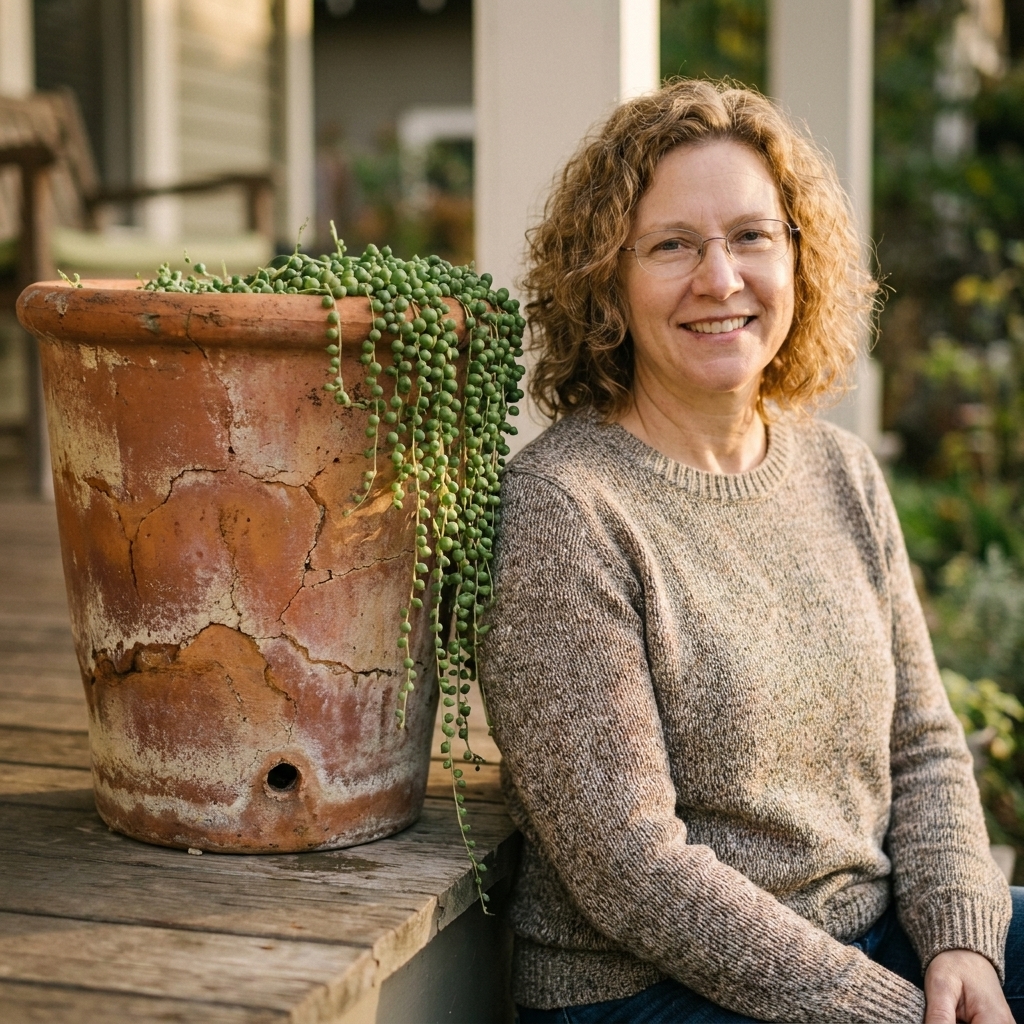
Terracotta is the porch classic for a reason. It has that warm, sun-baked color that makes even a simple fern feel styled. But terracotta is also the most “alive” of the three materials because it is porous and reacts to moisture and temperature in ways you need to plan for.
Durability
- Best for: mild climates, covered porches, or pots you can bring in for winter.
- Watch out for: freeze-thaw cycles. When moisture soaks into the clay and freezes, terracotta can crack or flake (spall).
- Porch reality: if you are in a cold-winter zone and you like leaving pots out year-round, terracotta is the one most likely to break your heart.
Moisture retention
- Terracotta is porous, so water evaporates through the sides. This is great for plants that hate soggy roots.
- It dries faster, especially in sun and wind, so you water more often.
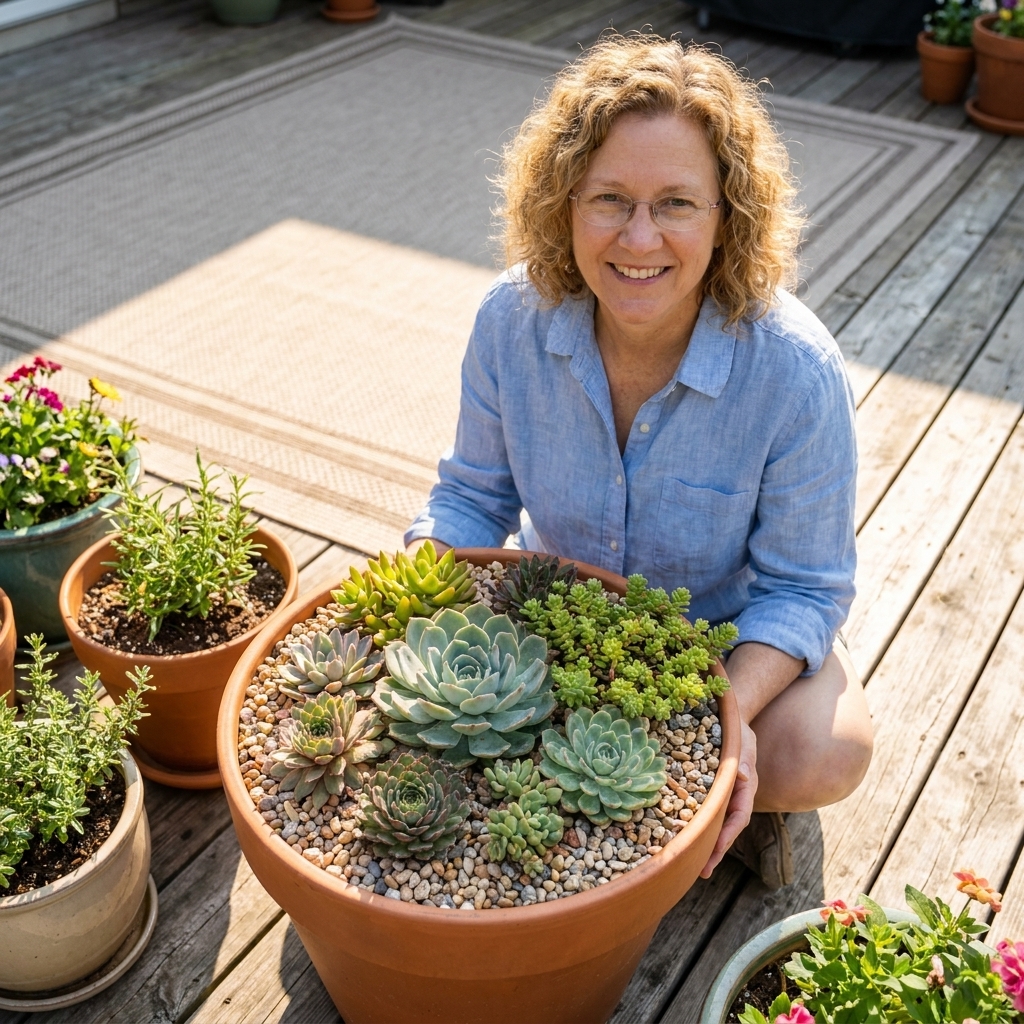
- Plant match: herbs, lavender, rosemary, succulents, many Mediterranean plants, and anything prone to root rot.
Weight
- Medium to heavy, and heavier when soaked.
- That weight can help reduce tipping, but it is still breakable if it falls.
Climate suitability
- Hot climates: terracotta breathes, but it can heat up and dry out quickly. Morning sun plus afternoon shade is lovely.
- Cold climates: safest if moved into a garage or shed for winter, or used as seasonal containers you swap out.
- Rainy climates: helpful breathability, but use well-draining soil and keep drainage holes clear.
My porch tip: If you love the terracotta look but hate the watering schedule, double-pot cachepot style. Keep your plant in a plastic nursery pot with drainage, then slip that into a terracotta pot. Water at the sink or outside, let it drain fully, then return it to the outer pot so roots are not sitting in a hidden puddle.
Resin planters
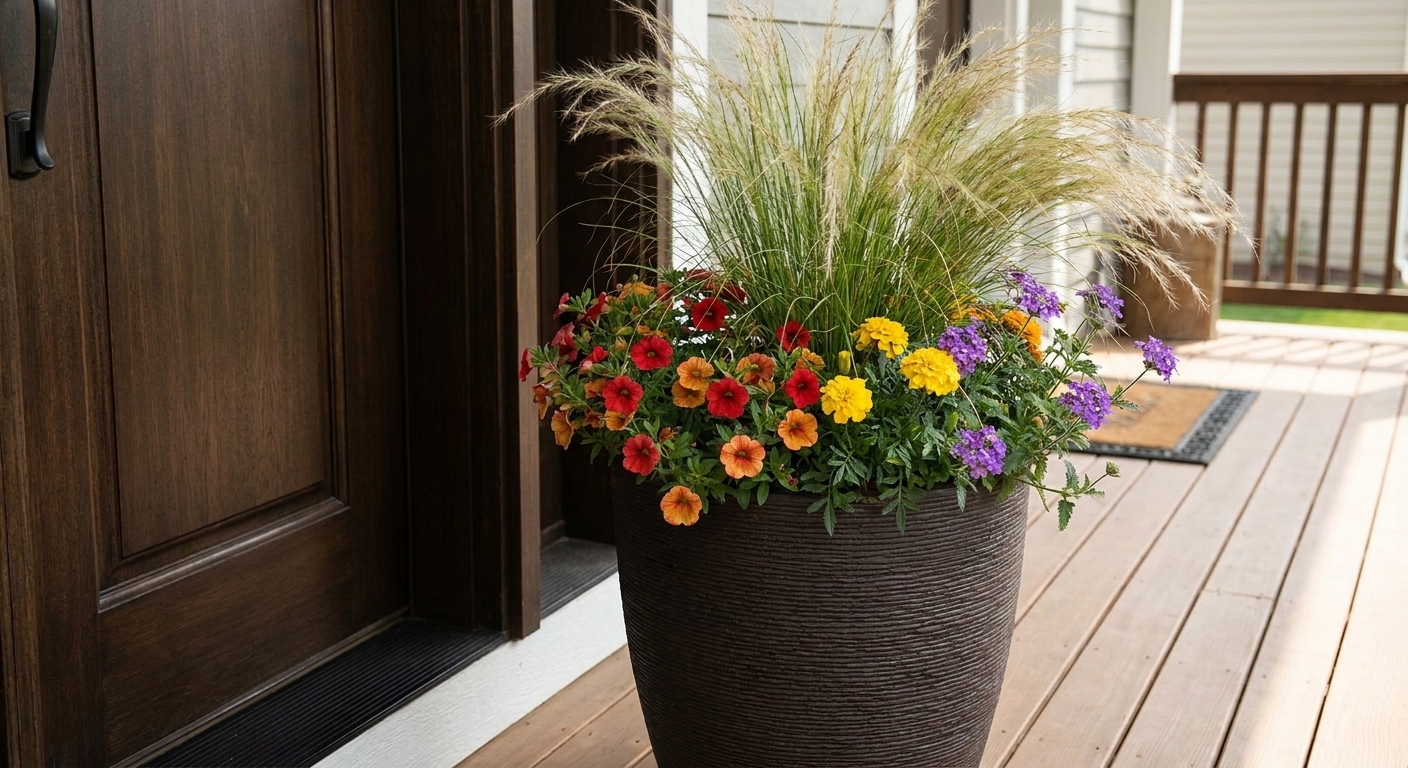
Resin planters are the workhorses of porch decorating. They are usually the easiest to live with, especially if you like rearranging your furniture, rotating pots for sunlight, or you are styling a small space where every inch gets swept weekly.
Durability
- Best for: everyday porch use, families, and high-traffic entryways.
- Strong points: generally impact-resistant, won’t shatter like clay, and many handle freeze-thaw well.
- Watch out for: thin, bargain resin can get brittle over time and may fade or chalk in intense sun. Thicker walls and UV-stabilized materials age better.
Moisture retention
- Non-porous, so water stays in the soil longer than terracotta.
- Drainage matters: make sure there are real drainage holes, not just “drill guides.” Standing water is the fastest way to lose porch plants.
Weight
- Lightweight, which is a blessing for moving and a challenge in wind.
- For tall pots, stability is mostly shape and center of gravity. Choose a wider base when you can, and add low weight (like a sealed bag of gravel) beneath the nursery pot if needed.
Climate suitability
- Hot, sunny porches: choose UV-stabilized resin when possible. In intense sun, lighter colors are kinder to roots than dark planters that can heat up fast.
- Cold winters: thick-walled resin is often a safer choice than terracotta if you leave pots outside.
- Wet regions: works well, just prioritize drainage and avoid saucers that keep water trapped during rainy stretches.
My porch tip: Resin is my favorite “big statement planter” material for front doors because I can actually move it to clean, swap seasonal stems, and adjust placement for sun without calling for backup.
Fiberglass planters
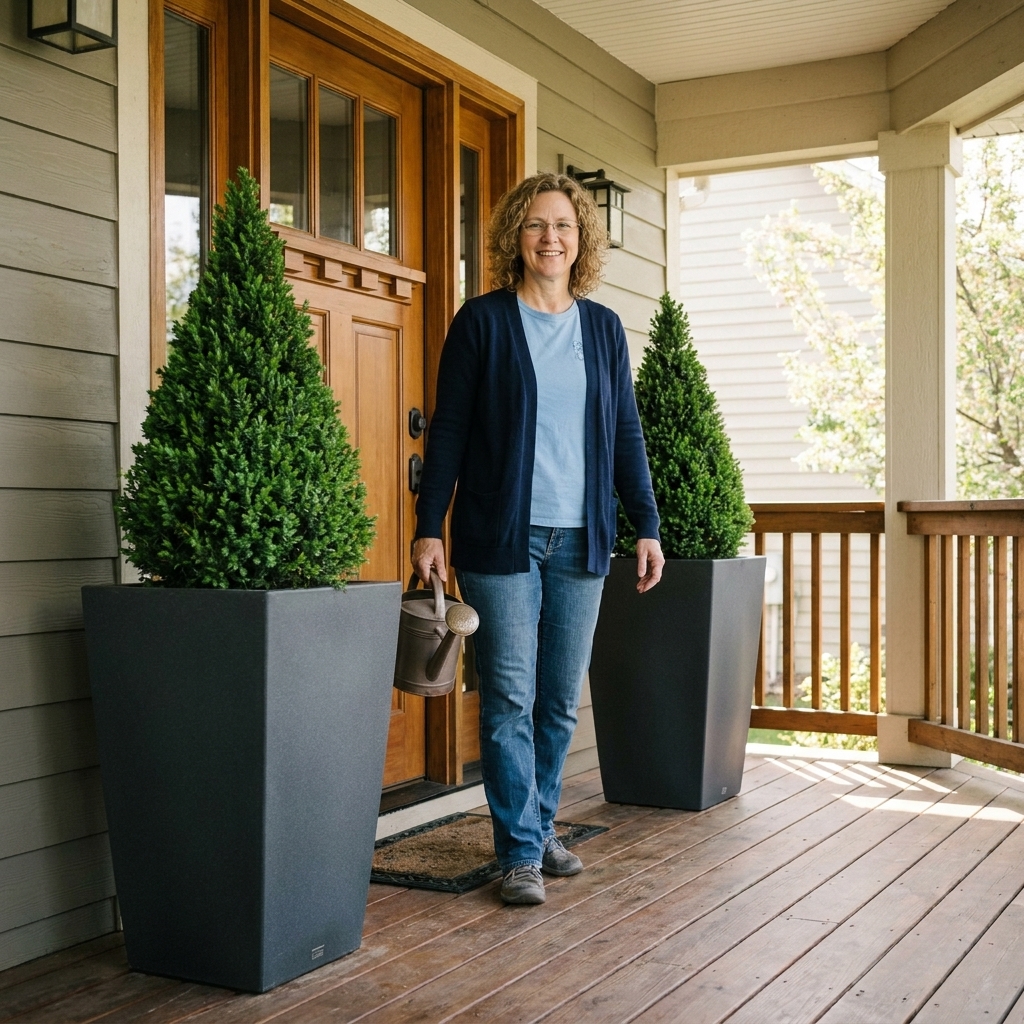
Fiberglass is what I reach for when I want that crisp, elevated look of stone or ceramic, but I also want my back and my porch boards to survive the season. Quality fiberglass planters can be impressively strong for how light they are.
Durability
- Best for: a polished porch look, modern shapes, and large containers that would be too heavy in concrete or ceramic.
- Strong points: very durable and crack-resistant. UV and weather performance usually comes from the finish (like gelcoat or a quality paint), so read specs when you can.
- Watch out for: ultra-thin or bargain fiberglass can chip at edges. Look for thicker walls and a sturdy rim.
Moisture retention
- Non-porous, similar to resin, so it holds moisture better than terracotta.
- Great for plants that like consistent moisture, as long as drainage is good.
Weight
- Light to medium, especially compared to stone-look alternatives.
- Because it is light, tall fiberglass planters may need weighting in windy locations, just like resin.
Climate suitability
- Sun exposure: generally performs well when it has a UV-resistant finish. In full sun, avoid very dark colors if you are growing heat-sensitive roots.
- Freezing temps: often winter-friendly, but avoid letting water sit inside the pot where it can freeze and stress the structure.
- Coastal air: fiberglass tends to do well near salt air compared with some metal containers that can corrode.
My porch tip: Fiberglass is my go-to for matching sets flanking a front door. You get symmetry and that “designed” feel, without having to commit to truly heavy pots.
The four factors that matter most on a porch
1) Durability in real weather
If your porch gets wind-driven rain, blazing afternoon sun, or hard freezes, material matters more than style. Terracotta is the most likely to crack in freeze-thaw conditions. Resin and fiberglass often hold up better outdoors year-round, especially when they are thick-walled, well-finished, and allowed to drain freely.
2) Moisture and how often you want to water
Think of terracotta as a breathable sweater and resin or fiberglass as a rain jacket. Terracotta dries faster and can keep roots healthier for drought-tolerant plants, but it asks more from you in summer. Resin and fiberglass keep moisture in, which can be a lifesaver for thirsty annuals and porch pots that get morning sun.
3) Weight, moving, and porch safety
On a front porch, you are not just planting. You are sweeping pollen, moving furniture, bringing in packages, and dodging welcome mats. If you like to rearrange, resin and fiberglass are kinder. For wind, focus on a wider base, a lower center of gravity, and smart placement near walls or corners. Material can help, but shape usually matters more.
4) Climate and placement
- Full sun all day: lighter-colored resin or fiberglass can reduce root heat. Terracotta may need more frequent watering.
- Covered porch with bright shade: any material works, so choose based on look and weight.
- Uncovered steps: prioritize durability and drainage. Resin or fiberglass often win here.
How to choose based on what you are planting
For herbs and Mediterranean plants
Terracotta is a natural fit for rosemary, thyme, oregano, lavender, and many herbs that prefer drying between waterings. If your porch is very hot, be prepared to water more often.
For thirsty annuals and lush mixed planters
Resin and fiberglass make it easier to keep petunias, impatiens, coleus, calibrachoa, and mixed porch bowls evenly moist. Just do not skip drainage holes.
For shrubs and small evergreens in containers
Fiberglass and resin are usually the easiest for long-term containers because they are lighter and less crack-prone. If you want to overwinter a shrub outdoors, pick a durable pot, keep it draining, protect roots with good soil and mulch on top, and choose a sheltered placement.
Little details that make any planter work better
- Drainage first: One large hole or several smaller ones. Many resin and fiberglass planters are sold as cachepots with no holes or just drill marks, so check before you buy. If you drill, use the right bit for the material and go slow to avoid cracking or chipping.
- Use pot feet on solid porches: Lifting the base slightly helps water escape and can reduce staining on concrete or paint.
- Skip rocks as “drainage”: A chunky layer at the bottom usually does not improve drainage the way people think. It reduces soil volume and can keep the saturated zone higher unless you also increase total pot height. Use a quality potting mix instead.
- Protect decking: Use a saucer cautiously. On wood, I prefer a saucer plus a thin riser so the base is not constantly damp.
- Match pot shape to wind: Tall, narrow pots tip easier. If you love that shape, add low weight, keep the planting lower, or tuck it into a corner near a wall.
- How they age: Terracotta can develop a white mineral haze (efflorescence), resin can fade or chalk in harsh sun, and fiberglass can scratch or chip on sharp impacts. None of this is a dealbreaker, but it helps set expectations.
- Sustainability note: Clay is natural but energy-intensive to fire and can break sooner in harsh winters. Resin and fiberglass are long-lived plastics. If this matters to you, prioritize durability and longevity so you buy fewer pots over time.
FAQ
Do terracotta pots really make plants healthier?
They can, especially for plants that hate sitting in wet soil. Terracotta’s breathability helps excess moisture evaporate. The tradeoff is you water more often, particularly in heat and wind.
Will resin planters crack in winter?
Good-quality, thick resin usually handles winter better than terracotta, but it depends on construction and whether water is trapped in the soil. Keep drainage holes clear and avoid letting saucers hold water that can freeze.
Are fiberglass planters worth the higher price?
If you want large statement planters, matching sets at an entry, or a stone-like look without stone weight, fiberglass is often worth it. It is one of the best “looks expensive, lives easy” porch options, especially when the finish is truly outdoor-rated.
Which material is best for a windy porch?
Start with shape and placement: wider bases, lower profiles, and corners near walls are your friends. Terracotta adds weight but can break if it falls. For resin and fiberglass, add low weight, avoid top-heavy plantings, and keep tall pots out of the main gust path.
My simple rule for porch planters
If you love the ritual of watering and want that old-school charm, choose terracotta and treat it like a seasonal porch staple. If you want the easiest everyday option, go resin and choose a thick, UV-stable pot. If you want a polished look in a big size without hauling a boulder onto your porch, go fiberglass with a quality outdoor finish. The best planter is the one that works with your weather, your schedule, and the way you actually use your front steps.